Ice Cream Maker Recipes: Proper Job Custard Ice Cream
- The Science Behind the 'Proper Job' Texture and Flavour
- Essential Ingredients for Your Next Premium Ice Cream Maker Recipe
- Mastering the Crème Brûlée Ice Cream Base: Step-by-Step Method
- Troubleshooting Your Homemade Custard Ice Cream
- Maximizing Freshness: Storage and Handling for French-Style Ice Cream
- Perfect Pairings and Presentation for Your Gourmet Dessert
- Recipe FAQs
- 📝 Recipe Card
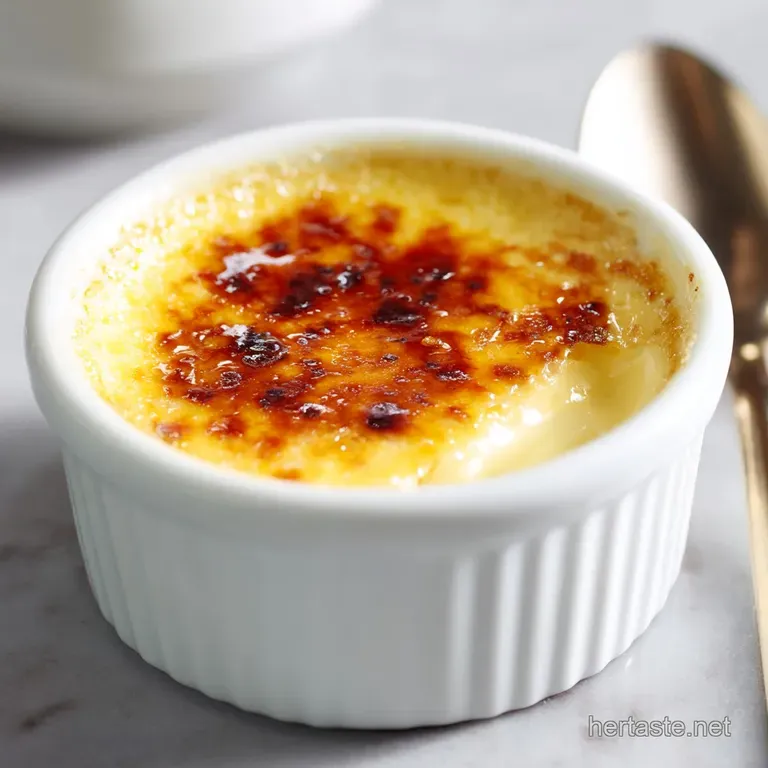
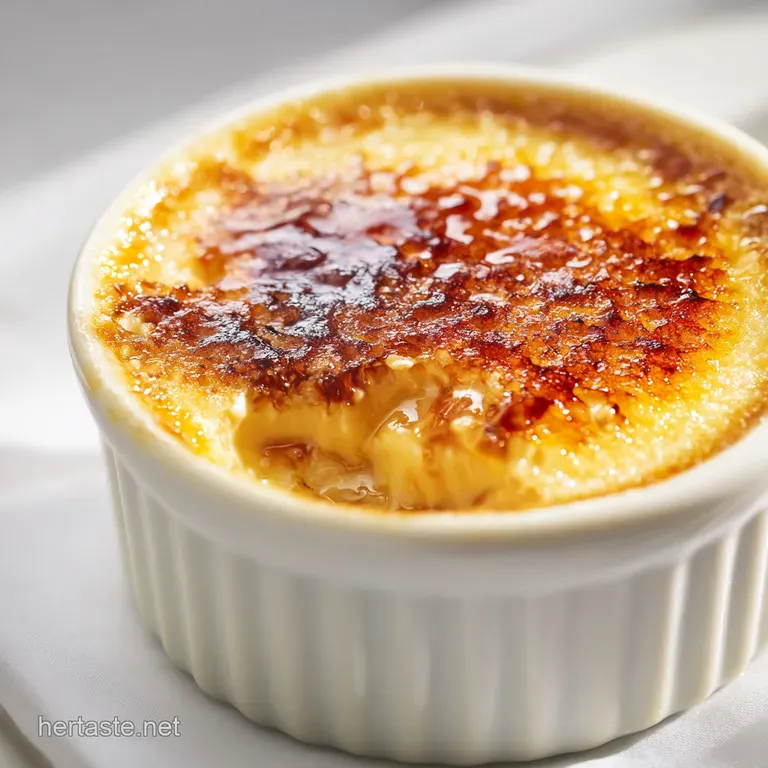
You know that perfect crackle? That sound when your spoon shatters the crisp caramel top, giving way to the silky, warm vanilla custard underneath? That is the sensory perfection we are aiming for, but chilled.
We are making French style ice cream today, the densest, most luxurious frozen treat imaginable, and this particular rendition of Ice Cream Maker Recipes is honestly a 'proper job.'
For years, I was intimidated by custard bases, thinking they were too fussy or prone to scrambling. I quickly learned that this approach is actually a lifesaver; it produces a vastly superior texture to the quick, no-cook versions.
Plus, once you master this crème anglaise base, you unlock hundreds of premium Ice Cream Maker Recipes .
This exact method uses the richness of egg yolks and high fat cream, perfectly tempering the mixture for that famous French density. Get ready to churn the silkiest, most decadent vanilla custard you've ever tasted right in your kitchen.
The Science Behind the 'Proper Job' Texture and Flavour
Defining French Style Ice Cream: The Difference Egg Yolks Make
The difference between premium artisanal Ice Cream Maker Recipes and the stuff you grab cheap at the store often comes down to one ingredient: the egg yolk. French style ice cream is essentially a frozen custard, meaning the base must be cooked to thicken the yolks.
This process introduces protein and fat, which interfere with water molecules, preventing the formation of large, nasty ice crystals. The result? Unbelievably smooth, dense, and rich scoops.
The Secret to the Caramelised Sugar Flavour Note
While we aren't literally blow torching the top of this frozen dessert, we capture that signature crème brûlée flavour through proper vanilla infusion and by using a hint of salt. Many people forget that true depth in rich desserts requires balance.
That ¼ teaspoon of sea salt cuts through the sweetness and allows the background notes of caramelized dairy to truly sing. This makes our Ice Cream Maker Recipes stand out from the bland pack.
Why Use an Ice Cream Machine for the Best Texture
If you’ve tried the no-churn methods, you know they work, but they rarely achieve true density. An ice cream maker, especially attachments like the Cuisinart Ice Cream Attachment Recipes or the Kitchenaid Ice Cream Maker Recipes, incorporates air (known as overrun) while freezing the mixture quickly and uniformly.
Quick freezing means tiny ice crystals, which equals superior scoopability. You absolutely need a machine for this kind of velvety texture.
Tempering Yolks: Achieving Maximum Smoothness
Tempering is the critical step that separates failure from success in sophisticated Ice Cream Maker Recipes . It involves slowly bringing the cool, whisked egg yolks up to temperature by adding warm dairy gradually. This prevents the yolks from scrambling the instant they hit the heat.
It’s an easy technique, but it requires patience and focus. Trust me, mess this up once, and you’ll respect the low, slow pour forever.
The Role of High Fat Dairy (The Cream Content)
Fat is flavour, and fat inhibits ice. We are using heavy cream (often called double cream here in the UK) with a minimum of 35% fat. This high fat content helps emulsify the base and keeps it supple and pliable even when deep frozen.
When you’re making the best Ice Cream Maker Recipes at home, skimping on fat is the biggest mistake you can make.
Infusing Deep Vanilla Flavour
We are ditching the extract for the real deal: a vanilla bean. Split the pod down the middle and scrape out those tiny, flavour packed seeds. By heating the seeds and the spent pod directly in the dairy, we infuse a complexity that extract simply can't touch.
This initial steeping step is crucial for elevating this particular homemade vanilla ice cream recipe.
Essential Ingredients for Your Next Premium Ice Cream Maker Recipe
The quality of your ingredients directly translates to the finished product. Since we’re aiming for a high end dessert, start with the best dairy you can find. This is foundational to mastering French style Ice Cream Maker Recipes .
Selecting the Best Dairy: Heavy Cream vs. Whole Milk Balance
We use a specific ratio of heavy cream to whole milk. The cream provides the fat; the milk provides the necessary liquid to carry the flavour and prevent the mixture from becoming paste.
| Ingredient | Role | Viable Substitute |
|---|---|---|
| Heavy Cream | Richness, density, smooth texture. | Replace up to half with half and half for slightly lighter results. |
| Whole Milk | Hydration, necessary protein structure. | low-fat milk will yield a much icier, thinner texture. |
The Importance of Fresh Vanilla Bean and Alternative Extracts
I always push for the vanilla bean here. But if cost or availability is an issue, a high-quality vanilla bean paste is your next best option, providing those beautiful dark flecks. Standard vanilla extract works in a pinch, but you lose the depth and visual appeal.
Use 1 tablespoon of vanilla bean paste or 1 ½ teaspoons of pure vanilla extract added after the custard is strained.
Substituting Sugar: Adjusting Sweetness and Freezing Point
Granulated sugar does more than just sweeten; it lowers the freezing point, making the final ice cream softer. If you use superfine (caster) sugar, the texture will be identical, and it dissolves faster.
If you try to use liquid sweeteners like honey or maple syrup, remember those are significantly sweeter and require reducing the milk volume slightly to prevent a runny base a common trap when making certain types of Ice Cream Maker Recipes .
Why We Use a Pinch of Salt
As mentioned, salt is a flavour enhancer, not just a salinity provider. It grounds the sweetness of the sugar and prevents the final product from tasting overwhelmingly saccharine. Do not skip the salt. It transforms a good ice cream into a great one.
Mastering the Crème Brûlée Ice Cream Base: step-by-step Method
This detailed instruction set for these high-quality Ice Cream Maker Recipes ensures a perfect custard every single time. Take your time during the heating and chilling phases!
- Infuse the Dairy: Combine the cream, milk, half the sugar, scraped vanilla seeds, the pod, and salt in a heavy saucepan. Heat this over medium low heat until steam is rising and small bubbles appear at the edges, but definitely do not let it boil . Remove and let it steep for 15 minutes. That steeping allows maximum vanilla penetration, essential for a premium homemade vanilla ice cream recipe.
- Prepare the Eggs: While steeping, whisk the egg yolks and the remaining sugar vigorously until they are pale, thick, and form ribbons when lifted (the ribbon stage).
- Temper the Yolks (Critical Step): Remove the vanilla pod from the warm dairy. Slowly like, really slowly ladle about a cup of the warm dairy into the egg mixture while whisking constantly. This is the only way to gently warm the yolks without cooking them immediately.
- Cook the Custard: Pour the tempered egg mixture back into the saucepan with the remaining warm dairy. Return the pan to low heat. Stir continuously with a rubber spatula, scraping the bottom and sides constantly, until the mixture thickens slightly and coats the back of a spoon (the "nappé" stage). Hit 175°F to 180°F (80°C to 82°C) with a thermometer. I repeat: do not boil!
- Stop the Cooking and Chill: Immediately remove the saucepan from heat. Stir in the optional tablespoon of neutral spirit (vodka or gin). Pour the entire mixture through a fine mesh sieve into a clean bowl this removes any potential scrambled bits and ensures silkiness.
- The Essential Waiting Game: Cover the surface with plastic wrap (preventing skin formation) and chill in the refrigerator for a minimum of 4 hours, or ideally overnight. This extended chill is non-negotiable for success with serious Ice Cream Maker Recipes .
Troubleshooting Your Homemade Custard Ice Cream
Even the best home cooks run into trouble occasionally. I remember once scrambling a full batch of this base right before guests arrived. It was tragic. Here’s how to avoid my mistakes when making French Ice Cream Maker Recipes .
Preparing the Aromatic Vanilla Infusion
If you skip the steeping, your vanilla flavour will be thin and lack depth. Make sure the mixture is hot enough to extract the flavour (steaming), but not so hot that it scorches the dairy, which creates a burnt flavour.
This careful infusion is key to unlocking the true potential of this Crème Brûlée Ice Cream Recipe.
The Crucial Art of Tempering the Custard (Reaching the Nappé Stage)
If you pour the hot liquid too fast into the yolks, you will get sweet scrambled eggs, not custard. Go slow! When cooking the final mixture, use a thermometer. The difference between 180°F (perfect) and 185°F (scrambled) is tiny.
Chef’s Note: If you slightly overcook the base and see tiny bits of cooked egg, do not panic! Simply strain the base twice through the fine mesh sieve. It might salvage the flavor, even if the texture loses a tiny bit of density.
Chilling Time vs. Churning Success
A warm base will produce coarse, icy ice cream, full stop. The base must be below 40°F (4°C) before churning. I always check mine before pouring it into the machine. If you skip this critical chill time, even the best Kitchenaid Ice Cream Maker Recipes will fail you, resulting in an unfortunately soft and icy product.
How to Fix an Overcooked or Scrambled Base
If the base has separated or visibly scrambled, you have two options. Strain it heavily and use it for a sauce, or if it’s only slightly grainy, try using an Immersion Blender Recipes: Velvet Roasted Pepper Soup blender tool to blitz it smooth before chilling. Sometimes a quick, powerful blend can re-emulsify the mixture.
Preventing Graininess During the Freezing Process
Graininess usually stems from either not straining the base adequately or the chilling process being too slow. Make sure you cover the surface of the base completely with plastic wrap while chilling to prevent a "skin" from forming, which can introduce graininess.
Also, always ensure your Ice Cream Maker Recipes bowl is frozen solid.
Calibrating the Churn Time for Optimal Scoopability
Churning too long can make the ice cream heavy and dull; churning too little leaves it too soft. Stop churning when the ice cream has the consistency of soft serve or thick oatmeal this usually takes 20- 25 minutes in a Cuisinart machine. It should still be malleable.
Remember, the true texture develops during the hardening stage, not the churning stage. This careful calibration is vital for achieving the proper density in high fat Ice Cream Maker Recipes .
Maximizing Freshness: Storage and Handling for French Style Ice Cream
Proper storage is what keeps your homemade creation tasting incredible for weeks. You put so much effort into these Ice Cream Maker Recipes ; let's protect that quality!
The Role of a Deep Chill Post Churning (Hardening)
The hardening stage, or "ripening," is where the remaining water turns into micro crystals, setting the structure. You must freeze the soft churned ice cream for a minimum of 3 to 4 hours, preferably overnight. This is non-negotiable for proper scoopability and mouthfeel.
Best Containers to Prevent Freezer Burn and Crystalization
The enemy is air. Use shallow, airtight containers designed specifically for freezing, or even better, invest in specific ice cream tubs that are tall and narrow. Press plastic wrap directly onto the surface of the soft ice cream before sealing the lid.
This prevents moisture loss and stops crystallization along the top.
Recommended Shelf Life for Egg-Based Ice Creams
Because this is an egg-based, cooked custard, it lasts a bit longer than a simple Philadelphia style base. Properly stored, it’s excellent for 2 3 weeks. After that, the texture will gradually degrade and become slightly icier, even if it's still safe to eat.
This specific guideline applies to all high-quality Ice Cream Maker Recipes .
Perfect Pairings and Presentation for Your Gourmet Dessert
The beautiful vanilla base of this specific one of my Ice Cream Maker Recipes is incredibly versatile and pairs well with sharp, acidic, or crunchy elements.
Top Coatings and Toppings (Focusing on Crunchy Textures)
To truly honor the Crème Brûlée concept, you need crunch!
- Torched Sugar: Sprinkle a light dusting of superfine sugar over the finished scoop and quickly hit it with a kitchen torch until caramelized.
- Caramelized Nuts: Scatter chopped pecans or almonds coated in caramelized sugar.
- Waffle Cones or Bowls: The crisp texture contrasts perfectly with the creamy custard.
Serving with Complementary Fruit or Sauces
Sharp fruit helps cut the richness of the French custard. I love serving this with a simple raspberry coulis or even a tart cherry reduction. If you need something completely different, it's also marvelous alongside a piece of rich, dark brownie, perhaps topped with a stable, delicious Easy Cream Cheese Frosting: Stable Non-Runny . The contrast is just heaven.
Recommended Alcoholic Pairings for Custard Flavours
If you are serving this for a sophisticated dessert course, consider a pairing. The deep vanilla notes and rich egg base scream for a splash of something warming. Try a small glass of high-quality Armagnac, a sweet Sherry, or even an ice-cold shot of limoncello for a bright, acidic contrast.
This elevates the whole experience of making and serving these premium Ice Cream Maker Recipes . Enjoy the silkiness!
Recipe FAQs
Why is my custard ice cream icy or grainy after freezing?
Icy texture is often caused by insufficient chilling of the base before churning or an excess of water content. Graininess, however, suggests the custard base overheated during cooking, causing the egg yolks to scramble slightly.
Ensure you temper the eggs slowly and cook the base exactly to 175°F (80°C), straining it immediately afterward.
Is it safe to skip the chilling step before churning the custard base?
Absolutely not; chilling is a non-negotiable step for French style ice cream. A properly chilled base (ideally 12-24 hours) allows the fat molecules to firm up and the flavours to fully mature.
If the base isn’t cold enough (below 40°F / 4°C), the ice cream maker will fail to freeze it properly, resulting in a soft, airy final product.
How do I best achieve the 'caramelized sugar' flavor without adding toppings?
For a smooth base flavour, you can incorporate a small amount of caramelized sugar syrup (made by cooking sugar until amber) into the warm cream before adding the eggs. Alternatively, you can deepen the existing flavour by replacing 1/4 cup of the granulated sugar with light brown sugar, which lends a subtle molasses note.
For the best texture mimicking the crispy top, fold in finely crushed praline or brittle after the churning process.
Why didn't my ice cream freeze solid during the churning process?
The primary reasons are usually that the freezer bowl was not frozen solid enough (it requires 24+ hours in the coldest part of the freezer) or the base was too warm when added. If the base temperature is too high, the freezer bowl can only chill it, not freeze it, resulting in a thick milkshake consistency.
Always ensure the base is thoroughly cold before starting the churn cycle.
Can I use vanilla extract instead of a fresh vanilla bean in this recipe?
While possible, using fresh vanilla bean is highly recommended for the complex, true flavour expected in a gourmet custard ice cream. If you must substitute, use 1.5 teaspoons of high-quality pure vanilla extract.
Crucially, add the vanilla extract after the base has been cooked and completely cooled, as heat will diminish its flavour profile.
What is the best way to store this ice cream to prevent freezer burn?
Transfer the churned ice cream to a shallow, airtight container; press plastic wrap directly onto the surface before sealing to eliminate air pockets. Air is the enemy of frozen desserts and leads to ice crystal formation and freezer burn.
This high fat custard ice cream is best consumed within two weeks for optimal texture, but can be safely stored for up to one month.
Can I use non-dairy milk or a different thickener to make this recipe vegan?
This specific recipe relies heavily on the egg yolks for its rich French texture and high density, so substitutions are not effective. To achieve a vegan ice cream, you must use a completely separate, specially formulated recipe utilizing stabilizers like cornstarch, cashew cream, or coconut milk, which replicate the mouthfeel provided by the dairy fat and eggs.
Creme Brulee Ice Cream Recipe
Ingredients:
Instructions:
Nutrition Facts:
| Calories | 795 kcal |
|---|---|
| Protein | 16.4 g |
| Fat | 61.2 g |
| Carbs | 45.2 g |
