Creamy Cucumbers: Shatter Crisp
- Time: Active 10 minutes, Passive 10 minutes, Total 20 minutes
- Flavor/Texture Hook: Shatter crisp cucumbers in a velvety, dill flecked dressing
- Perfect for: Summer cookouts, heavy roasts, or beginner meal prep
- Making the Best Creamy Cucumbers
- The Science of Layered Flavor
- Ingredient Component Analysis
- Essential Ingredients and Substitutions
- Step-by-Step Flavor Construction
- Solving Common Texture Issues
- Adjusting for Large Crowds
- Debunking Traditional Cucumber Beliefs
- Storage and Mindful Waste
- Recipe FAQs
- 📝 Recipe Card
Making the Best Creamy Cucumbers
Close your eyes and imagine the scent of a summer garden after a light rain, that sharp, green aroma of fresh dill hitting a cold bowl of sour cream. There is something almost nostalgic about this dish, but let's be honest, we've all had those versions that sit in a puddle of grey water at the bottom of a plastic bowl.
It’s heartbreaking to see good produce go limp, and I spent years trying to figure out how to keep that "shatter" in the cucumber while still getting a sauce that clings like velvet.
The secret isn't in some fancy gadget, but in how we treat the water inside the vegetable itself. I remember the first time I made The Best Creamy Cucumbers for a neighborhood block party; I didn't salt them beforehand, and by the time the burgers were off the grill, my salad looked more like a cold soup.
It was a messy mistake that taught me everything I know now about moisture management.
In this guide, we aren't just tossing things in a bowl. We are building layers. We start with the crunch of the English cucumber, move into the bite of shaved red onion, and finish with a dressing that balances the zing of white vinegar against the richness of full fat sour cream.
You're going to learn the simple trick that separates a "fine" salad from one that people actually ask you for the recipe.
The Science of Layered Flavor
Understanding how salt interacts with plant cell walls is the difference between a watery mess and a crisp masterpiece. When we apply salt to the sliced cucumbers, we are initiating a specific chemical process that prepares the vegetable to receive the dressing without diluting it.
- Osmotic Pressure: Salt draws internal moisture out of the cucumber cells through osmosis, which prevents the water from leaking out later and thinning your sauce.
- Cellular Turgidity: By removing excess water, we actually tighten the structure of the cucumber, giving it a more "shatter like" snap when you bite into it.
- Emulsification Stability: The sugar and vinegar work together to stabilize the sour cream, preventing the dairy from breaking when it hits the ambient room temperature.
- Aromatic Infusion: Grating the garlic into a paste (instead of mincing) increases the surface area, allowing the sulfur compounds to bloom instantly throughout the fat rich sour cream.
The way you choose to prepare this dish depends entirely on how much time you have and what texture you're chasing. While the quick version is great for a Tuesday night, the classic method which involves a dedicated salting phase is what I always recommend for guests.
| Method | Prep Time | Texture | Best For |
|---|---|---|---|
| Fast Method | 5 minutes | Soft and juicy | Instant snacking |
| Classic Method | 20 minutes | Shatter crisp | Dinner parties |
| Overnight | 10 minutes | Pickled and tangy | Meal prep/Sandwiches |
Choosing the right approach ensures that your side dish complements the main course. For instance, if you are serving this alongside my Creamy Garlic Chicken recipe, you'll definitely want the "Classic Method" to provide a sharp, crunchy contrast to the velvety chicken sauce.
Ingredient Component Analysis
Before we start slicing, let's look at why these specific ingredients make the Best Creamy Cucumbers so effective. I used to think any cucumber would do, but after a dozen watery trials, I realized that the variety of the vegetable dictates the success of the entire dish.
| Ingredient | Science Role | Pro Secret |
|---|---|---|
| English Cucumber | Low seed count | Keep the skin on for a bitter sweet snap and vibrant color. |
| Full Fat Sour Cream | Lipid base | Use a brand with no added thickeners for a cleaner mouthfeel. |
| White Vinegar | Acidic bridge | Provides a sharp "high note" that cuts through the heavy dairy fat. |
| Kosher Salt | Moisture extractor | The large flakes draw out water more evenly than fine table salt. |
The interaction between the sugar and the vinegar is particularly important here. It isn't just about sweetness; the sugar acts as a flavor mediator, rounding off the harsh edges of the white vinegar so the fresh dill can truly shine through.
Essential Ingredients and Substitutions
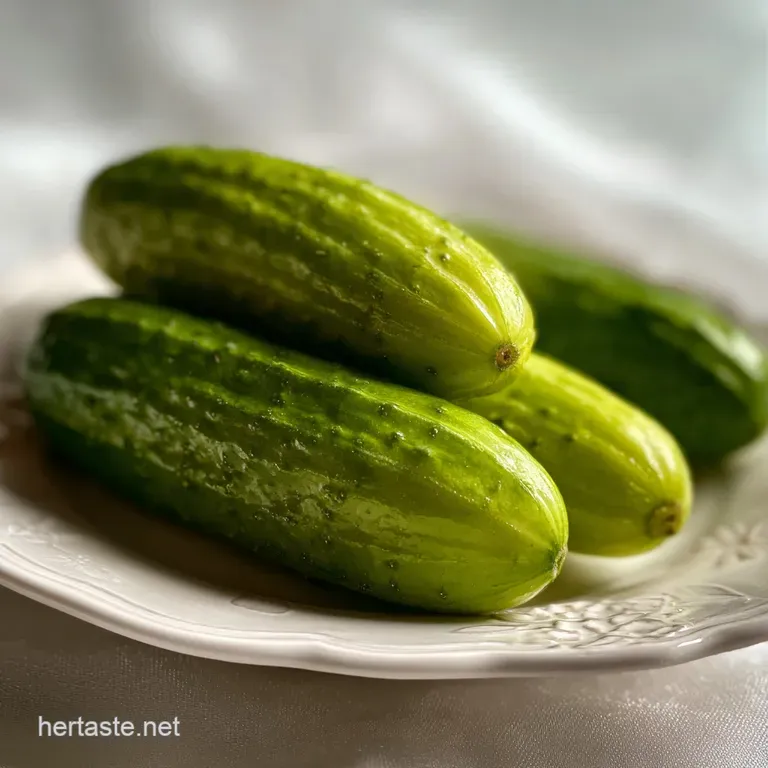
To get that authentic flavor profile, we need to be precise with our choices. I’ve found that using English cucumbers (those long ones wrapped in plastic) is non negotiable because their skins are thin and their seeds are nearly nonexistent, which means less bitterness and more crunch.
- 2 large English cucumbers (approx. 700g): Sliced 1/8 inch thick. Why this? They have higher water content but smaller seeds than garden cucumbers.
- 1/2 small red onion (approx. 60g): Thinly shaved. Why this? Adds a punchy, sharp contrast to the cool cucumbers.
- 1 tbsp kosher salt: For the crucial sweating process.
- 1/2 cup full fat sour cream (120g): The velvety foundation.
- 2 tbsp white vinegar: Provides the classic "deli style" tang.
- 1 tbsp granulated sugar: To balance the acidity.
- 2 tbsp fresh dill: Finely chopped for an earthy, herbal finish.
- 1 clove garlic: Grated into a paste for seamless integration.
- 1/2 tsp cracked black pepper: For a subtle, woody heat.
If you find yourself missing an ingredient, don't panic. This recipe is flexible, though some swaps will change the "vibe" of the dish. For example, if you want a more adventurous profile, you might pair this with the bold spices found in my Creamy Cajun Shrimp recipe.
| Original Ingredient | Substitute | Why It Works |
|---|---|---|
| Sour Cream | Greek Yogurt (Plain) | Similar tang but lower fat. Note: Sauce will be slightly more acidic. |
| White Vinegar | Apple Cider Vinegar | Adds a fruity, mellow sweetness compared to white vinegar. |
| Red Onion | Shallots | Provides a more delicate, garlicky onion flavor. |
step-by-step Flavor Construction
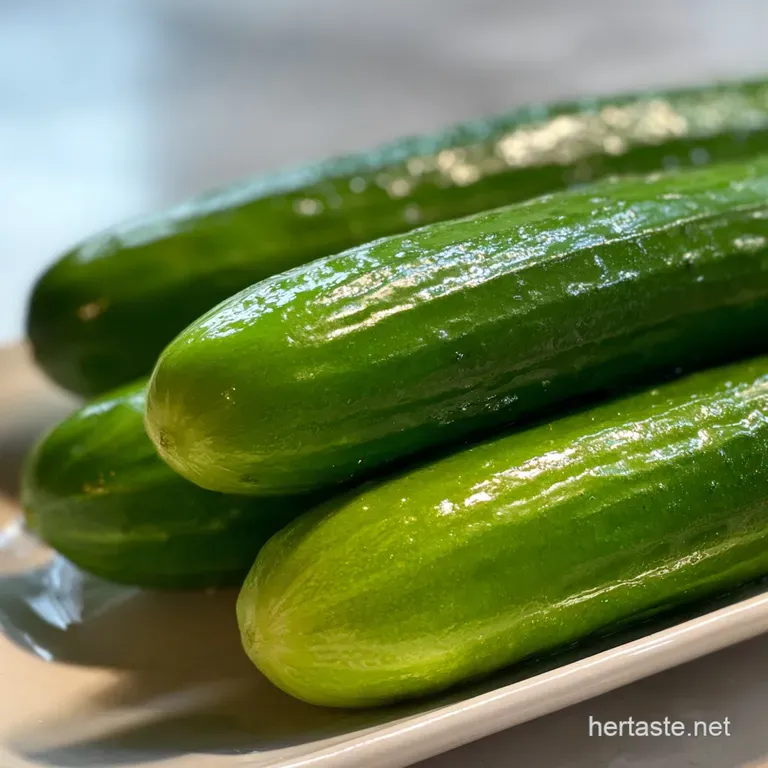
1. The Precision Slice and Salt
Slice the 2 large English cucumbers into rounds about 1/8 inch thick. You want them thin enough to be flexible but thick enough to retain a "snap." Place them in a large colander and toss thoroughly with the 1 tbsp of kosher salt. Note: This step is the "make or break" for the recipe's texture.
2. The Sweating Phase
Let the cucumbers sit in the sink for at least 10 minutes. You will actually see the water beads forming on the surface as the salt works its magic. Give the colander a good shake every few minutes until a pool of liquid has collected in the bottom of the sink.
3. The Refresh and Dry
Rinse the cucumbers under cold water to remove the excess salt. This is a mistake I once made forgetting to rinse leads to a salt bomb. Pat them very dry with a clean kitchen towel until they no longer feel slick or wet to the touch.
4. Shaving the Onion
Slice 1/2 small red onion into paper thin half moons. If you want a milder flavor, soak the onion slices in ice water for 5 minutes before adding them to the bowl; this removes the "bite" while keeping the crunch.
5. Creating the Velvety Base
In a separate small bowl, whisk together the 1/2 cup sour cream, 2 tbsp white vinegar, 1 tbsp sugar, and 1/2 tsp cracked black pepper. Grate the garlic clove directly into the mixture until the dressing is silky and completely smooth.
6. Folding the Herbs
Finely chop the 2 tbsp of fresh dill. I like to include the tender top stems because they pack a massive flavor punch. Stir the dill into the sour cream base until the green flecks are evenly distributed.
7. The Final Marriage
Add the dried cucumbers and onions into a large mixing bowl. Pour the dressing over the top and use a rubber spatula to fold everything together gently. You want to coat every slice without bruising the vegetables until the cucumbers are draped in a white, glossy veil.
8. The Chill Factor
Cover the bowl and let it rest in the fridge for at least 10 minutes before serving. This allows the sugar to fully dissolve and the garlic to mellow out into the cream. Serve cold until the bowl starts to sweat with condensation.
Solving Common Texture Issues
Even with the best intentions, things can go sideways. The most common complaint I hear is about the salad becoming "soupy" after an hour on the table. This usually happens because the cucumbers weren't dried properly after the rinsing stage.
Why Your Cucumbers Are Soggier Than Expected
If your salad looks watery, it’s likely because the osmotic process wasn't given enough time. Ten minutes is the bare minimum, but twenty minutes is the gold standard. If you skip the pat dry step, that surface moisture will immediately break the emulsion of the sour cream.
Why the Sauce Tastes Too Sharp
Sometimes the vinegar can feel overwhelming. This often happens if the garlic wasn't grated finely enough or if the sugar didn't have time to dissolve. A quick fix is to add a tablespoon more of sour cream to mellow out the acidity.
| Problem | Root Cause | Solution |
|---|---|---|
| Watery Sauce | Residual moisture on veggies | Pat cucumbers with paper towels twice before mixing. |
| Bland Flavor | Too much rinsing | Add a tiny pinch of salt or more dill at the very end. |
| Clumpy Dressing | Cold sour cream | Whisk the dressing separately before adding to the vegetables. |
Common Mistakes Checklist
- ✓ Skipping the salting step (this is the number one cause of "salad soup").
- ✓ Using "salad cucumbers" with thick, waxy skins instead of English varieties.
- ✓ Mincing garlic instead of grating it (you'll end up with spicy chunks).
- ✓ Using low-fat or fat free sour cream (the sauce won't cling to the cucumbers).
- ✓ Forgeting to rinse the salt off (resulting in an inedible saltiness).
Adjusting for Large Crowds
Scaling this dish is relatively straightforward because the ratios are consistent. If you’re heading to a big family reunion, you can easily double or triple the recipe. However, there are a few things to keep in mind regarding the aromatics.
When doubling the recipe to 12 servings (4 English cucumbers), don't simply double the garlic. Garlic has a cumulative effect; I usually suggest 1.5 cloves for a double batch to keep it from becoming too pungent.
The salt for the "sweating" phase stays at a 1:2 ratio (1 tbsp per 2 cucumbers), but you'll need a much larger colander to ensure even drainage.
If you are scaling down for a solo lunch, use half an English cucumber and just a dollop of sour cream. For the best result, use a small hand held mandoline to get those thin slices quickly. If you're looking for other side dishes to round out a large spread, consider adding my Julia Childs Cranberry Sauce recipe for a bright, fruity counterpoint to the creamy cucumbers.
Debunking Traditional Cucumber Beliefs
There is a long standing myth that you must remove the seeds from a cucumber to prevent indigestion or bitterness. While this might have been true for old-fashioned, thick skinned garden varieties, modern English cucumbers are bred to be "burpless" and have very soft, edible seeds.
Removing them actually robs the dish of its textural contrast.
Another misconception is that you should peel the cucumber completely. Honestly, the skin is where most of the fiber and the beautiful forest green color live. I prefer a "zebra stripe" peel removing every other strip of skin which gives a gorgeous visual appeal and a variety of textures in every bite.
Searing or cooking the cucumbers is also a trend I see occasionally, but for this specific recipe, heat is the enemy of that fresh, garden crisp sensation we are after.
Storage and Mindful Waste
Creamy cucumber salad is best enjoyed within 4 hours of making it, but it will stay safe in the fridge for up to 2 days. Just be aware that the longer it sits, the more liquid the cucumbers will release, which will naturally thin out the dressing.
If you have leftovers the next day, give them a quick stir to re incorporate the sauce.
Do not attempt to freeze this dish. The cellular structure of the cucumber will collapse upon thawing, turning your beautiful salad into a mushy, unappetizing pile.
For zero waste cooking, save those cucumber ends and any peelings you removed. They are fantastic when dropped into a pitcher of ice water for a refreshing "spa water" treat. The red onion scraps (the root end and outer papery layers) should go straight into your freezer bag for making vegetable stock.
Even the dill stems, if they are too woody for the salad, can be tossed into a pot of boiling potatoes to infuse them with herbal flavor. Making the most of every scrap is how we honor the ingredients we bring into our kitchens.
Recipe FAQs
Can I use regular cucumbers instead of English cucumbers?
No, English cucumbers are strongly recommended. They have a thinner skin and fewer seeds, which results in a crispier texture and less bitterness compared to regular garden cucumbers.
How do I prevent my creamy cucumbers from becoming watery?
Properly salt and drain the cucumbers. This process, called "sweating," draws out excess moisture through osmosis, ensuring they remain crisp and don't dilute the dressing.
What's the secret to a creamy, stable dressing?
Use full fat sour cream and ensure the ingredients are well balanced. The fat in the sour cream provides richness, while the combination of sugar and vinegar helps stabilize the dressing, preventing it from breaking.
Can I make this creamy cucumber salad ahead of time?
Yes, up to 4 hours in advance is ideal for maximum crunch. While it can be stored for up to 2 days, the cucumbers will continue to release moisture, thinning the dressing over time.
What is the best way to chop the dill for this recipe?
Finely chop the fresh dill, including the tender stems. The stems hold a lot of flavor and contribute to the overall herbaceousness of the dressing.
Is it true that peeling cucumbers is necessary for digestibility?
No, this is a common misconception for modern varieties. English cucumbers have thin, edible skins that are packed with fiber and color; peeling is generally unnecessary and can reduce texture.
What are some good main dishes to pair with creamy cucumbers?
Creamy cucumbers pair wonderfully with grilled meats or light seafood. They provide a refreshing contrast to richer dishes, much like the crisp element offered alongside our The Best Traditional Spanish Paella Recipe with Crispy Socarrat.
Creamy Cucumbers
Ingredients:
Instructions:
Nutrition Facts:
| Calories | 71 kcal |
|---|---|
| Protein | 1.4 g |
| Fat | 3.9 g |
| Carbs | 7.9 g |
| Fiber | 0.8 g |
| Sugar | 4.6 g |
| Sodium | 265 mg |
