Cheeseburger Soup: Creamy and Velvety
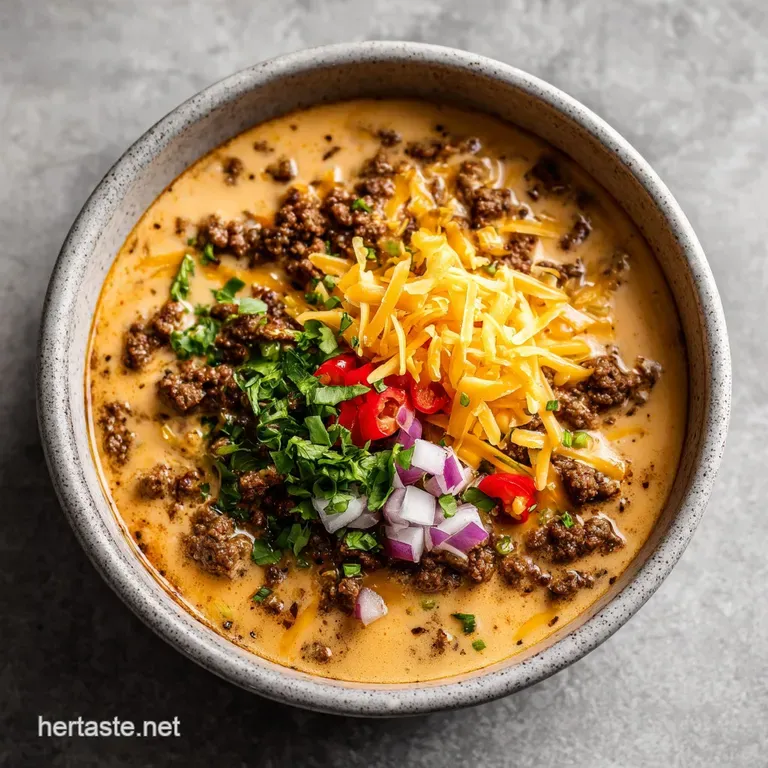
- Time: Active 15 minutes, Passive 20 minutes, Total 35 minutes
- Flavor/Texture Hook: Smoky, velvety, and shatter crisp beef crumbles
- Perfect for: Chilly weeknight dinners or a crowd-pleasing potluck staple
- Master the Comfort of Creamy Cheeseburger Soup
- Why Most Recipes Get This Soup Wrong
- Vital Statistics and Recipe Specs
- Component Analysis and Ingredient Deep Dive
- Gathering Your Essentials and Fresh Produce
- Stocking the Necessary Equipment for the Task
- Step by Step Method for Optimal Texture
- Professional Strategies for Avoiding Kitchen Disasters
- Creative Swaps for Innovative Personal Touches
- Scaling the Yield for Any Size Crowd
- Common Culinary Myths Debunked and Clarified
- Maintaining Quality and Keeping It Fresh
- Perfect Complements and Serving Suggestions
- Very High in Sodium
- Recipe FAQs
- 📝 Recipe Card
Master the Comfort of Creamy Cheeseburger Soup
The American Midwest has long been the unsung hero of the "everything in-a pot" culinary movement. If you look back at the community cookbooks from the 1970s and 80s, you'll find the humble origins of this dish nestled between tuna casseroles and lime jello salads.
It was a solution for busy families who wanted the nostalgic, savory punch of a burger but needed the warmth and efficiency of a slow simmered chowder. This isn't just a soup; it's a piece of cultural Americana that reflects a time when comfort was measured by the richness of the broth and the heartiness of the vegetables.
I remember the first time I forged my own version of this dish. I was trying to replicate a version I'd had at a snowy Wisconsin roadside diner. The air smelled of woodsmoke and frying onions, and when the bowl arrived, it was steaming, thick, and impossibly yellow.
It felt like a hug in a bowl, but as a cook, I knew I could give it an innovative twist. I wanted more depth, less grease, and a texture that didn't just sit there but actually felt sophisticated. That’s where the smoked paprika and the specific blend of Russet potatoes come into play.
When you make this, you aren't just boiling beef and cheese. You're layering flavors in a way that respects the ingredients. We're talking about the sizzle of lean beef hitting a hot Dutch oven, the aromatic release of dried basil and parsley, and the way the Worcestershire sauce bridges the gap between the savory beef and the sharp cheddar.
It’s a dish that demands you pay attention to the small things, like the size of the potato dice and the timing of the sour cream fold. Let’s get into why this actually works.
Why Most Recipes Get This Soup Wrong
Starch Management: Using Russet potatoes is vital because their high starch content partially breaks down during the 10 minute simmer, acting as a secondary thickener for the beef broth.
Emulsion Stability: The inclusion of Velveeta provides essential melting salts that keep the sharp cheddar from clumping or becoming "stringy" when it hits the hot liquid.
The Fat Buffer: Adding sour cream at the very end, off the heat, introduces a cool fat that stabilizes the dairy, ensuring the soup remains velvety and doesn't split as it cools.
Aromatic Toasting: Sautéing the dried basil and parsley in the beef fat for 30 seconds before adding the liquid "blooms" the oils, providing a much deeper flavor profile than just stirring them in.
| Aspect | Classic Slow Cooked | My 35 Minute Version |
|---|---|---|
| Beef Texture | Often boiled and soft | Searing first creates savory, browned edges |
| Liquid Base | Heavy cream (can be heavy) | Roux thickened milk for a lighter, silkier mouthfeel |
| Prep Style | Hand chopped chunks | Fine dice for a "perfect bite" in every spoonful |
Building the perfect base is all about the transition from searing to simmering. If you're looking for a version that fits a specific diet, you might find my Keto Cheeseburger Soup helpful for those avoiding the potatoes entirely. But for this classic version, we want that starch.
Vital Statistics and Recipe Specs
To get this right every single time, you need to hit specific numeric markers. Cooking isn't just a feeling; it's a series of checkpoints that ensure the beef is safe, the potatoes are tender, and the cheese is fully integrated without burning.
- Beef Browning: 165°F (74°C). Ensure the beef is fully browned and no pink remains before adding the vegetables.
- Vegetable Sauté: 3 minutes. The onion and celery should be translucent, not brown; we want sweetness, not toasted notes here.
- Potato Dice: 0.5 inch. Any larger and they won't cook in the allotted 12 minutes; any smaller and they turn to mush.
| Servings | Beef Quantity | Potato Volume | Pot Size |
|---|---|---|---|
| 3 People | 0.5 lb beef | 1.5 cups diced | 3 quart pot |
| 6 People | 1 lb beef | 3 cups diced | 5 or 6 quart Dutch oven |
| 12 People | 2 lb beef | 6 cups diced | 10 quart stockpot |
For another take on this hearty profile, you could also explore my Hamburger Soup Recipe, which focuses more on a tomato based broth rather than a creamy cheese finish.
Component Analysis and Ingredient Deep Dive
Understanding the "why" behind your pantry staples is what separates a cook from a recipe follower. Every ingredient in this Cheeseburger Soup has a functional role to play in the final architecture of the bowl.
| Ingredient | Science Role | Pro Secret |
|---|---|---|
| Russet Potatoes | High starch thickener | Soak in water for 5 mins then pat dry to remove excess surface starch if you want clearer broth. |
| Velveeta Cheese | Emulsifying agent | Use the "Original" block; it contains sodium phosphate which prevents the cheddar from separating. |
| Smoked Paprika | Flavor bridge | It provides the "grilled" flavor that makes the soup actually taste like a cheeseburger. |
| Sour Cream | pH Balancer | The acidity cuts through the heavy fat of the beef and cheese, brightening the entire dish. |
The choice of 90/10 lean ground beef is intentional. You want enough fat to sauté the vegetables (about 1 tablespoon), but not so much that the soup feels oily. If you use a fattier beef, like 80/20, you'll find yourself draining away the very flavor you’re trying to build.
Gathering Your Essentials and Fresh Produce
When you head to the store, look for ingredients that offer maximum flavor for minimal effort. The produce should be crisp, and the dairy should be full fat for the best mouthfeel.
- 1 lb lean ground beef (90/10): Why this? Provides protein without excess grease pooling on the surface. (Substitute: Ground turkey + 1 tsp beef bouillon)
- 1 tbsp extra virgin olive oil: Why this? High smoke point for the initial beef sear. (Substitute: Avocado oil)
- 1 tsp smoked paprika: Why this? Adds a necessary "flame grilled" depth to the soup. (Substitute: Liquid smoke - 2 drops)
- 1 tsp salt & 0.5 tsp black pepper: Essential seasoning.
- 1 medium yellow onion, finely diced: (Substitute: White onion or 1 tbsp onion powder)
- 0.75 cup carrots, shredded: Why this? Adds natural sweetness and vibrant color. (Substitute: Finely diced parsnips)
- 0.75 cup celery, diced: (Substitute: Celery seed - 0.5 tsp)
- 1 tsp dried basil & 1 tsp dried parsley: Traditional aromatics.
- 3 cups Russet potatoes, diced: (Substitute: Yukon Gold for a waxier, firmer bite)
- 3 cups low sodium beef broth: Why this? Allows you to control the final saltiness. (Substitute: Vegetable broth)
- 1 tbsp Worcestershire sauce: (Substitute: Soy sauce for umami)
- 0.5 tsp ground mustard: Why this? Enhances the "cheesiness" of the sharp cheddar. (Substitute: 1 tsp Dijon mustard)
- 4 tbsp unsalted butter & 0.25 cup flour: The roux base.
- 1.5 cups whole milk: (Substitute: Half and half for extra richness)
- 8 oz Velveeta cheese, cubed: (Substitute: American cheese from the deli)
- 1 cup sharp cheddar cheese, shredded: Why this? Provides the punchy flavor the Velveeta lacks. (Substitute: Pepper Jack)
- 0.5 cup sour cream: (Substitute: Plain Greek yogurt)
Stocking the Necessary Equipment for the Task
You don't need a kitchen full of gadgets, but two specific tools will make your life much easier. First, a heavy bottomed Dutch oven (like a Le Creuset or Lodge) is non negotiable for even heat distribution. Thin pots will cause the cheese to scorch on the bottom.
Second, a balloon whisk is essential for the roux. When you add the milk to the butter and flour, you need to work quickly to prevent lumps. A fork won't give you that silky, velvety finish. Also, have a good vegetable peeler on hand for those Russets; a dull blade makes for dangerous slipping.
step-by-step Method for Optimal Texture

- Heat the olive oil in your Dutch oven over medium high heat. Add the 1 lb ground beef and brown it until no pink remains and it's starting to sizzle. Note: This browning creates the flavor foundation.
- Drain the excess grease, but keep 1 tablespoon in the pot for flavor.
- Lower the heat to medium and toss in the diced onion, shredded carrots, and diced celery. Sauté for 3–5 minutes until the onions are soft and translucent.
- Stir in the basil, parsley, and smoked paprika. Cook for exactly 30 seconds until the spices smell toasted and fragrant.
- Pour in the 3 cups of beef broth, Worcestershire sauce, and the 3 cups of diced potatoes. Bring the mixture to a boil.
- Reduce the heat to a simmer, cover the pot, and cook for 10–12 minutes until the potatoes are tender when pierced with a fork.
- While the soup simmers, melt the butter in a separate small skillet. Whisk in the flour and cook for 1 minute to cook out the raw flour taste.
- Slowly whisk in the milk until the mixture is thick, bubbling, and smooth. This is your "velvet" base.
- Stir the thickened milk mixture into the main pot. Add the Velveeta and shredded cheddar. Stir constantly over low heat until the cheese is completely melted and integrated.
- Remove the pot from the heat entirely. Fold in the sour cream until the soup is a uniform, creamy pale orange. Season with extra salt and pepper if needed.
Professional Strategies for Avoiding Kitchen Disasters
Even a straightforward recipe can go sideways if the temperature or technique isn't quite right. The most common issue with any cheese based soup is "breaking" where the fat separates from the liquid, leaving you with a grainy, oily mess.
Fixing Grainy Cheese Sauce
Graininess usually happens because the soup got too hot after the cheese was added. High heat causes the proteins in the cheese to tighten and squeeze out the fat. If this happens, remove the pot from the heat immediately.
You can sometimes save it by whisking in a splash of cold milk or a teaspoon of lemon juice to help re emulsify the fats.
Thickening a Thin Soup
If your soup feels more like a watery broth than a hearty chowder, your roux might have been too thin, or the potatoes didn't release enough starch. Don't just add more flour directly to the pot; it will clump. Instead, mash a few of the cooked potato cubes against the side of the pot and stir them back in.
The released starch acts as an instant "natural" thickener.
| Problem | Root Cause | Solution |
|---|---|---|
| Oily surface | Beef wasn't drained well | Blot the surface with a folded paper towel or bread slice |
| Potatoes are crunchy | Dice was too large | Simmer for an extra 5 mins before adding the dairy |
| Soup is too salty | High sodium broth used | Add a splash of heavy cream or another diced potato |
Common Mistakes Checklist
- ✓ Pat the beef dry before browning to get a better sear instead of steaming it.
- ✓ Don't skip the "blooming" of the spices; 30 seconds in the oil changes everything.
- ✓ Always remove the pot from the heat before adding the sour cream to prevent curdling.
- ✓ Use freshly shredded cheddar if possible; pre shredded cheese is coated in cellulose which can make the soup gritty.
- ✓ Keep the potato dice uniform so they all finish cooking at the exact same moment.
Creative Swaps for Innovative Personal Touches
Once you've mastered the classic, you can start forging your own path. Cooking is an exploration, and this soup is a perfect canvas for your own innovative ideas.
If you want a Bacon Cheeseburger Soup, stir in 6 slices of cooked, crumbled bacon right at the end with the sour cream. It adds a salty crunch that contrasts beautifully with the velvety broth.
For those who like it hot, swap the sharp cheddar for Pepper Jack and add a finely diced jalapeño to the mirepoix (onion/celery/carrot) stage.
For a budget friendly swap, you can use frozen hash browns (the cubed kind) instead of peeling and dicing fresh Russet potatoes. They cook faster (usually in 5-7 minutes) and provide a very consistent texture.
If you're out of beef broth, a mixture of water and beef bouillon cubes works perfectly fine, though you should reduce the added salt in the recipe.
Scaling the Yield for Any Size Crowd
Scaling this soup is relatively simple because it’s a liquid based dish, but there are a few rules for the roux.
Downscaling (Making for 2-3 people): Half all the ingredients. When making the roux, use a very small skillet to prevent the butter from burning before you add the flour. Since you’re using less liquid, check the potatoes at the 8 minute mark; they might cook faster in a smaller volume of broth.
Upscaling (Feeding a party of 12+): Double the recipe. When doubling, you don't necessarily need to double the salt and spices right away. Start with 1.5x the amount and adjust at the very end. Spices can become overwhelming in large batches.
Also, ensure you use a massive stockpot so there’s plenty of "headroom" for the soup to boil without splashing over.
Chef's Tip: If doubling, cook the beef in two batches. Overcrowding the pan will cause the meat to grey and steam rather than brown and develop that deep, savory crust we're looking for.
Common Culinary Myths Debunked and Clarified
Myth 1: You must use heavy cream for a thick soup. Actually, a roux made with whole milk and flour provides a much more stable thickening base that is less likely to break than heavy cream.
The starch in the flour coats the fat globules, keeping them suspended in the liquid for a velvety finish that isn't overly greasy.
Myth 2: Processed cheese (Velveeta) is "fake" and shouldn't be used. In the world of cheese chemistry, processed cheese is a tool. It contains emulsifiers (melting salts) that are scientifically designed to hold fats and liquids together.
By using a mix of Velveeta and real sharp cheddar, you get the best of both worlds: the superior melting properties of the processed cheese and the deep, complex flavor of the aged cheddar.
Myth 3: Boiling the soup longer makes it better. Unlike a tomato sauce, dairy based soups do not benefit from long simmering. Once the potatoes are tender and the cheese is melted, you should stop. Over boiling will cause the milk to scald and the cheese to lose its smooth texture.
Maintaining Quality and Keeping It Fresh
Storage: This soup keeps remarkably well in the fridge for up to 3 days. Store it in an airtight glass container. As it sits, the potatoes will continue to absorb liquid, so it will be much thicker the next day.
Reheating: Do not microwave this on high. The intense, uneven heat will break the cheese emulsion. Instead, reheat it on the stovetop over low medium heat. Add a splash of milk or broth to loosen it back up to its original consistency. Stir constantly as it warms.
Freezing: I generally don't recommend freezing this soup. Potatoes often turn "mealy" or grainy when frozen and thawed in a dairy base, and the cheese sauce has a high tendency to separate. If you must freeze it, do so before adding the cheese and sour cream. Add those fresh when you reheat the base.
Zero Waste Tip: Don't throw away those potato peels! Toss them in a little olive oil, salt, and pepper, and air fry or bake them at 400°F (200°C) for 10 minutes. They make a fantastic, crispy garnish for the top of your soup bowl.
Perfect Complements and Serving Suggestions
To truly lean into the "cheeseburger" theme, serve this in big, wide bowls with a side of toasted brioche buns brushed with garlic butter. If you want to keep it traditional, a side of saltine crackers or a crusty sourdough loaf is the way to go.
For toppings, think about what you’d put on a burger. A drizzle of mustard, some sliced green onions, or even a few dill pickle slices can provide a sharp, acidic contrast to the rich, creamy soup. A simple green salad with a vinaigrette also helps cut through the richness of the dairy.
Trust me, once you've had this with the crispy potato peel garnish, you'll never go back to plain crackers again. Enjoy forgeing your new favorite weeknight tradition!

Very High in Sodium
1145 mg of sodium per serving (50% of daily value)
The American Heart Association recommends limiting sodium intake to no more than 2,300mg per day, with an ideal limit of about 1,500mg for most adults.
Tips to Reduce Sodium
-
Switch to Low-Sodium Broth-30%
Replace the 3 cups of regular beef broth with 3 cups of low-sodium beef broth. This is a significant source of hidden sodium.
-
Choose Lower Sodium Cheese-15%
Reduce the sodium by using half the amount of sharp cheddar cheese (0.5 cup) and opt for a reduced sodium or natural cheddar. Velveeta is also very high in sodium; consider a reduced sodium alternative or omit some.
-
Be Mindful of Worcestershire Sauce-10%
Worcestershire sauce can be high in sodium. Try using half the amount (0.5 tbsp) or look for a reduced sodium version.
-
Boost Flavor with Fresh Aromatics
Focus on the natural flavors of the yellow onion, carrots, and celery. Sautéing them well will build a strong flavor base.
-
Embrace Herbs and Spices
Continue to use dried basil and parsley. Consider adding other no-sodium seasonings like black pepper, garlic powder (ensure it's pure), or a pinch of red pepper flakes to enhance flavor without salt.
Recipe FAQs
Can I use pre-shredded cheddar cheese for this soup?
No, it is best to shred your own block of cheese. Pre-shredded varieties are coated in cellulose to prevent clumping, which can leave your soup with a gritty, unstable texture instead of a silky finish.
How to prevent the sour cream from curdling?
Remove the pot from the heat completely before folding in the sour cream. Adding dairy to a boiling liquid causes it to separate, so incorporating it at a lower temperature keeps the texture smooth.
Is it necessary to drain the grease after browning the ground beef?
Yes, drain the excess grease but keep one tablespoon in the pot. This small amount of rendered fat provides the essential base for sautéing your onions, carrots, and celery, ensuring maximum flavor extraction.
How to ensure the potatoes cook evenly?
Dice the Russet potatoes into uniform 0.5 inch cubes before adding them to the broth. Consistent sizing ensures every piece finishes cooking at the exact same moment during the 10 12 minute simmer.
Why should I bloom the dried herbs in the oil?
Blooming the basil, parsley, and smoked paprika for 30 seconds releases their fat-soluble flavor compounds. If you enjoyed this technique of enhancing flavor through oil, you can see how we use similar principles in our hearty cowboy soup to build depth.
How to create a perfectly thick, smooth soup base?
Whisk the flour and melted butter into a roux, then gradually stream in the milk. Adding the milk slowly while whisking constantly prevents lumps and ensures the thickening agents integrate fully before you add the cheese.
Is it true I can cook the vegetables and beef in the same pot at once?
No, this is a common misconception. You must brown the beef first to create a flavor foundation, then remove the grease before adding your vegetables; crowding the pan will cause the meat to steam instead of sear.
Creamy Cheeseburger Soup

Ingredients:
Instructions:
Nutrition Facts:
| Calories | 572 kcal |
|---|---|
| Protein | 30.6 g |
| Fat | 37.4 g |
| Carbs | 31.8 g |
| Fiber | 2.4 g |
| Sugar | 6.2 g |
| Sodium | 1145 mg |
