The Ultimate Creamy Baked New York Cheesecake with a Buttery Graham Cracker Crust
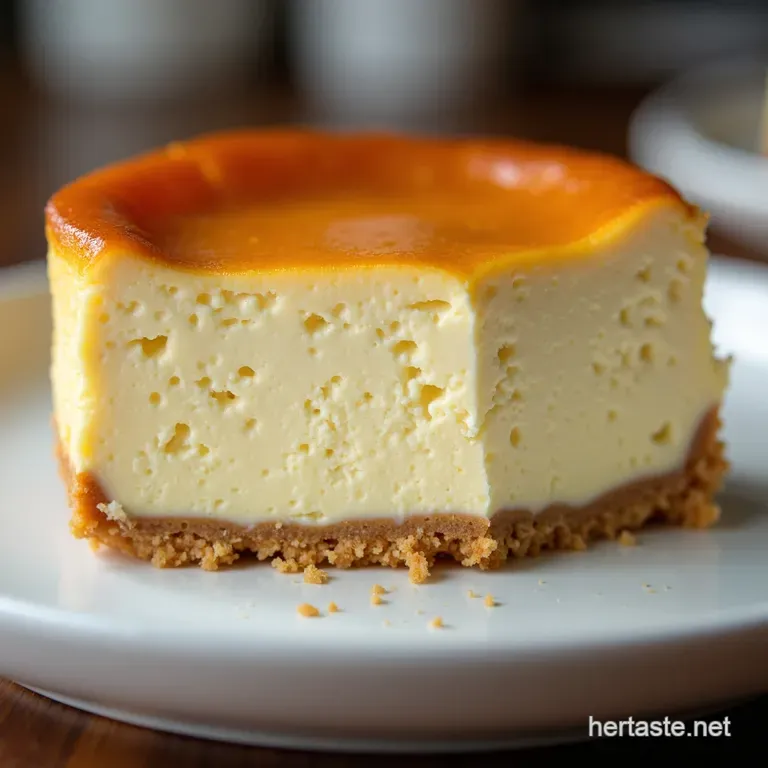
- The Secret to Unlocking Truly Velvety Baked Cheesecake Perfection
- Why This New York Style Recipe Outshines the Rest
- Assembling Your Blueprint: Essential Components for Richness
- Mastering Ingredient Preparation: The Room Temperature Mandate
- Step-by-Step Construction: Building Your Ideal Baked Cheesecake
- Baking Strategy: Navigating Oven Dynamics for Smooth Results
- Troubleshooting & Advanced Techniques for Your Next Batch
- Serving Suggestions and Long-Term Preservation
- Frequently Asked Questions
- 📝 Recipe Card
The Secret to Unlocking Truly Velvety Baked Cheesecake Perfection
There’s a definitive difference between a passable dessert and one that truly sings: the texture. We are not aiming for a stiff, dry brick of dairy; we are striving for that legendary, impossibly smooth mouthfeel associated with the finest New York establishments.
Achieving this creamy baked cheesecake is less about luck and more about respecting the science of careful temperature control and gentle mixing. Forget those intimidating tall tales; this baked cheesecake recipe is designed to demystify the process, ensuring your first attempt rivals a decade long professional baker’s best effort.
The resulting baked cheesecake filling is dense, tangy, and utterly luxurious.
Why This New York Style Recipe Outshines the Rest
When you decide to bake a cheesecake, you are choosing depth over expediency. Our inspiration today is the robust, slightly tangy New York style, which relies on full fat dairy and precise baking methods to achieve structure.
This recipe moves beyond the quick fix of a no-bake version, which often relies on gelatin or whipped cream for stability. Instead, we harness the power of eggs and low, slow heat.
This commitment to the proper method yields a flavour profile that is far richer and more satisfying than its gelatin set counterparts.
Bidding Farewell to Cracks: Our Creaminess Guarantee
The single most feared outcome of baking a cheesecake is the dreaded surface crack. Cracks occur when the centre sets too quickly and contracts unevenly as it cools. Our primary defense against this is the water bath protocol .
By surrounding the springform pan in a gentle, moist heat environment (a Bain Marie ), we insulate the delicate structure, ensuring the edges and the centre cook at virtually the same rate.
This slow, even thermal transition is the bedrock of our creamy baked cheesecake guarantee.
The Mahogany Standard: Achieving That Perfect Dense Texture
To reach that perfect density, reminiscent of polished mahogany wood, every ingredient must be treated with respect. The inclusion of a touch of all-purpose flour (or cornstarch, if preferred) acts as a microscopic binder, lending structure without becoming heavy.
On top of that,, achieving the necessary richness requires using full fat dairy exclusively skim milk products have too much water content and disrupt the delicate fat-to-protein ratio required for a truly rich interior.
A Culinary Quest: Why We Champion the Baked Method
While baked cheesecake vs no bake is a perpetual debate, the baked version offers unparalleled complexity. The gentle cooking process caramelizes the sugars minimally and fully cooks the eggs, creating a stability and depth of flavour that simply cannot be replicated by chilling.
If your goal is a showstopper dessert capable of standing tall and proud, the careful, time invested technique of the baked cheesecake recipe is the only way to travel.
This structure also lends itself perfectly to being sliced into neat baked cheesecake bars or even portioned into baked cheesecake bites later on.
Assembling Your Blueprint: Essential Components for Richness
Before we preheat the oven, organization is half the battle won. We are using a standard 9 inch springform pan because its removable sides ensure easy release without damaging the beautiful structure we worked so hard to create.
Our crust foundation is built upon the classic graham cracker crust cheesecake philosophy buttery, crumbly, and slightly salty to contrast the sweet filling.
Mastering Ingredient Preparation: The Room Temperature Mandate
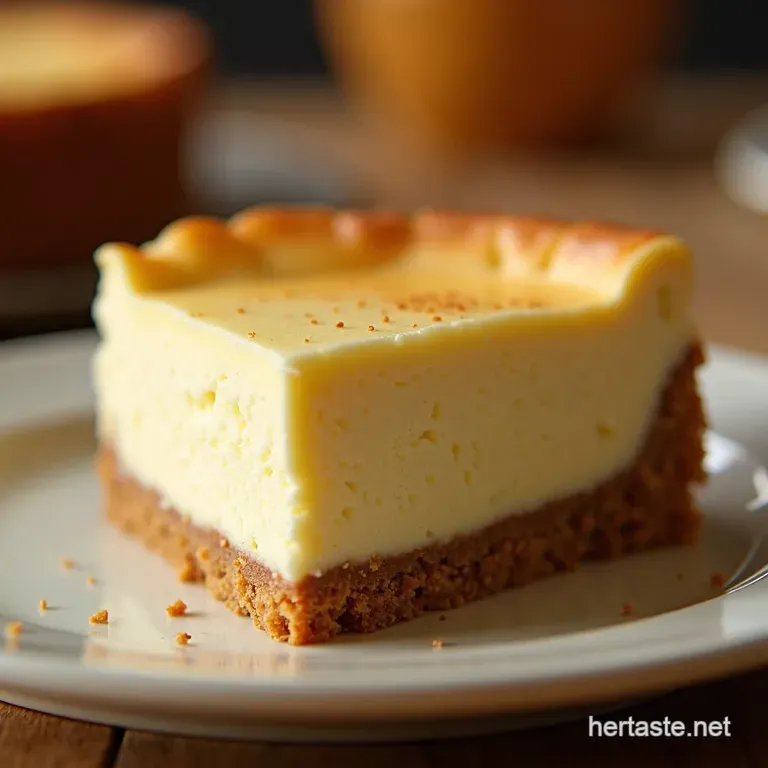
This is perhaps the most crucial preparatory step. We require 4 packages of full fat cream cheese, 1 cup of sour cream, and 4 large eggs. If these ingredients are cold, they will resist blending smoothly, resulting in lumps that necessitate over mixing to eliminate.
Over mixing, as we will discuss, introduces air, which leads to rising and, ultimately, cracking. Set everything out at least an hour before you plan to begin mixing.
The Dairy Lineup: Selecting Premium Cream Cheese Alternatives
While cream cheese is the star, the supporting dairy plays a vital role. We incorporate 1 cup of full fat sour cream. The lactic acid provides that signature tang that keeps the cake from tasting overly heavy or cloyingly sweet.
If sour cream is unavailable, use an equal amount of full fat Greek yogurt that has been strained overnight to remove excess liquid.
Crust Foundation: Calculating Your Buttery Graham Cracker Ratio
For our graham cracker crust cheesecake , we bind 1 ½ cups of fine crumbs with just ¼ cup of sugar and 6 tablespoons of melted, slightly cooled unsalted butter.
This ratio ensures the crust holds together firmly when sliced but remains tender enough to complement the rich filling, not overpower it. Press this mixture firmly into the base and slightly up the sides of the springform pan, then bake it for 10 minutes to set the butter before cooling.
Beyond Vanilla: Aromatic Enhancements for Depth
Pure flavour is vital here, but a subtle lift prevents flatness. We use 1 tablespoon of high-quality vanilla extract, but the real secret weapon is the zest of one small lemon. This bright, citrusy note cuts through the richness of the cream cheese, elevating the entire profile without making the cake taste like lemon meringue.
Related Recipes Worth Trying
- The Best NoCrack New York Cheesecake Recipe — Ditch the panic Master the dense creamy texture of an authentic New York Cheesecake with this detailed nocrack recipe using a water bath
- The Cornerstone Classic Baked Cheesecake Recipe Smooth No Crack — Achieve that divine velvety smooth texture with our foolproof New York Cheesecake Recipe Learn the secret water bath technique for the best homemade cheesecake
- Sunshine in a Dish Effortless Lemon Herb Olive Baked Fish — This Easy Baked Fish recipe uses vibrant tomatoes capers and olives for a Light Mediterranean Dinner thats ready in 40 minutes A healthy fragrant bake
step-by-step Construction: Building Your Ideal Baked Cheesecake
With the crust baked and cooled, and the oven set to 325° F ( 160° C), it’s time to build the baked cheesecake filling . Remember, our motto is gentle incorporation .
Baking Strategy: Navigating Oven Dynamics for Smooth Results
The assembly involves pouring the prepared batter over the cooled crust, securing the base of the springform pan tightly in heavy duty aluminium foil at least two layers to ensure absolute water tight integrity when placed into the water bath.
Gently Whipping: Integrating Air Without Inviting Disaster
When mixing the filling, after combining the cream cheese and sugar until smooth, add the sour cream, vanilla, and zest. The eggs go in last, one-by-one, mixed only until the yellow streaks disappear. If you see the mixture start to become frothy or voluminous, stop immediately.
We are creaming ingredients, not whipping meringue.
The Water Bath Protocol: Essential Moist Heat Application
Carefully place the foil wrapped pan into a large roasting pan. Once this assembly is safely on the middle rack of the preheated oven, boil a kettle of water and pour it into the roasting pan until it reaches about one inch up the side of the springform.
This moist heat environment is the key to preventing fissures and ensuring a uniform bake across the entire surface.
Patience is Paramount: Gradual Cooling to Prevent Surface Collapse
Bake for 70 to 80 minutes. The edges should appear set, but the centre 2 3 inches should retain a slight, almost imperceptible jiggle. This is where many rush; do not open the door! Once the time is up, turn the oven off completely.
Prop the oven door ajar by wedging a wooden spoon handle in the gap. Allow the cheesecake to rest inside this gradually cooling environment for a full hour. This slow descent in temperature is critical for structural stability.
The Final Chill: Achieving Structural Integrity Post Bake
After the hour in the cooling oven, carefully remove the cheesecake from the water bath, remove the foil, and allow it to cool completely on a wire rack at room temperature. Only once fully cooled should it be covered loosely and transferred to the refrigerator for a minimum of six hours, though overnight yields the absolute best, firmest texture suitable for slicing into precise baked cheesecake bars .
Troubleshooting & Advanced Techniques for Your Next Batch
If you find your cheesecake is still slightly uneven, consider using slightly less sugar next time, as sugar makes the batter more prone to separation. For those looking to make smaller, single serving desserts, this foundational recipe works beautifully when scaled down for baked cheesecake cupcakes or even smaller baked cheesecake bites , though the baking time will need significant reduction start checking them around 25 minutes.
Serving Suggestions and Long Term Preservation
The ideal serving temperature for this rich dessert is slightly cooler than room temperature never straight from the fridge. Allowing it to sit on the counter for about 20 minutes before cutting enhances the velvety texture.
Temperature Tactics: Why Ingredient Temperature Dictates Texture
Reiterating this crucial point: if your ingredients are cold, the resulting mixture will be grainy. Cold cream cheese forces you to over mix to achieve smoothness, which incorporates excess air.
This air escapes during baking, leading to a sunken centre and a less dense structure than we are aiming for in this creamy baked cheesecake .
Exploring Flavor Twists Beyond Classic New York Style
While the classic flavour is divine, experimentation is encouraged. A swirl of high-quality raspberry preserve folded in just before baking transforms it instantly. For a chocolate lover’s version, you can replace the 2 tablespoons of flour with 2 tablespoons of cocoa powder and drizzle melted white chocolate over the top before the final chill.
Storage Secrets: Keeping Your Cheesecake Fresh for Days
Once fully chilled, this baked cheesecake keeps remarkably well. Store it, covered tightly, in the refrigerator for up to five days. The flavour often deepens beautifully on the second day.
If you plan to freeze leftovers, slice them first, then freeze the slices individually on a baking sheet before transferring them to an airtight container. Thaw overnight in the refrigerator.
Nutritional Snapshot of This Decadent Treat
As a rich, celebratory dessert, this New York style creation certainly leans into indulgence. Based on 12 generous slices, the calorie count is hearty, reflecting the high concentration of full fat dairy and sugar necessary to achieve that unparalleled, luxurious texture.
It is a treat to be savoured thoughtfully, perhaps paired with a strong espresso to balance its inherent richness.
Frequently Asked Questions
Why does my Baked Cheesecake always crack, even when I use a water bath?
Cracking is usually down to temperature shock, love. Even with a water bath, if you cool it too quickly, the centre shrinks away from the edges. For the ultimate creamy texture, make sure you follow the cooling steps religiously: turn the oven off, prop the door open, and let it rest inside for a full hour before removing it.
Patience is the secret ingredient!
My cream cheese filling still has lumps what's the trick to getting that super smooth New York texture?
The biggest sin in cheesecake making is using cold ingredients; they simply won't blend smoothly. Ensure your cream cheese, eggs, and sour cream are all fully softened to room temperature about two hours out of the fridge should do the trick.
Beat the cream cheese alone first until it’s truly velvety before adding anything else.
How long does this Baked Cheesecake last in the fridge, and can I freeze leftovers?
This beauty keeps wonderfully well; stored properly in an airtight container, it will be brilliant for up to 5 days in the fridge it often tastes even better on day two! Yes, freezing works a treat too; wrap slices tightly in cling film and foil, and they should keep well for up to a month.
Thaw them overnight in the fridge before serving.
Do I really need to use the water bath (Bain Marie) for this recipe, or can I skip it?
While tempting, skipping the water bath is like going for a Sunday drive without checking the petrol risky business! The steam creates a humid environment, ensuring the sides don't bake faster and dry out, which is the primary cause of cracking and uneven texture.
If you must skip it, use the lowest possible oven temperature and keep a close eye on it.
Can I make this cheesecake ahead of time for a party, and what should I top it with?
Absolutely, making it ahead is highly recommended as it needs that overnight chill to set properly. For toppings, keep it classic: a simple, sharp raspberry coulis or some gorgeous fresh cherries always look the part and provide a lovely contrast to the rich filling. Just add the topping right before serving!
Creamy Baked Cheesecake
Instructions:
Nutrition Facts:
| Calories | 480.0 |
|---|---|
| Fat | 32g |
| Fiber | 0.5g |
