How to Cook Spaghetti Squash: Roasted Ribbons
- Time: Active 10 minutes, Passive 25 minutes, Total 35 minutes
- Flavor/Texture Hook: Nutty roasted flavor with a crisp tender "al dente" bite
- Perfect for: Busy weeknights, low carb meal prep, and budget conscious healthy eating
- Perfect Methods for How to Cook Spaghetti Squash
- Why High Heat Creates Better Vegetable Strands
- Component Analysis for Better Results
- Simple Ingredients for Savory Roasted Squash
- Essential Tools for a Clean Kitchen
- Simple Steps for Flawless Golden Strands
- Fixing Sogginess and Common Texture Issues
- Flavor Variations for Creative Side Dishes
- Guidelines for Cold Storage and Reheating
- Creative Ways to Serve Your Harvest
- Recipe FAQs
- 📝 Recipe Card
Perfect Methods for How to Cook Spaghetti Squash
That hollow thud thud sound against the kitchen counter is usually my first sign of trouble. For years, I treated spaghetti squash like a ticking time bomb, terrified that my knife would slip while trying to hack through that armor like skin.
I remember one Tuesday night, sweat on my brow, literally using a rubber mallet to drive a chef's knife through a particularly stubborn 3 pounder. It was dangerous, messy, and honestly, the resulting "noodles" were a soggy, watery disappointment that pooled at the bottom of my bowl.
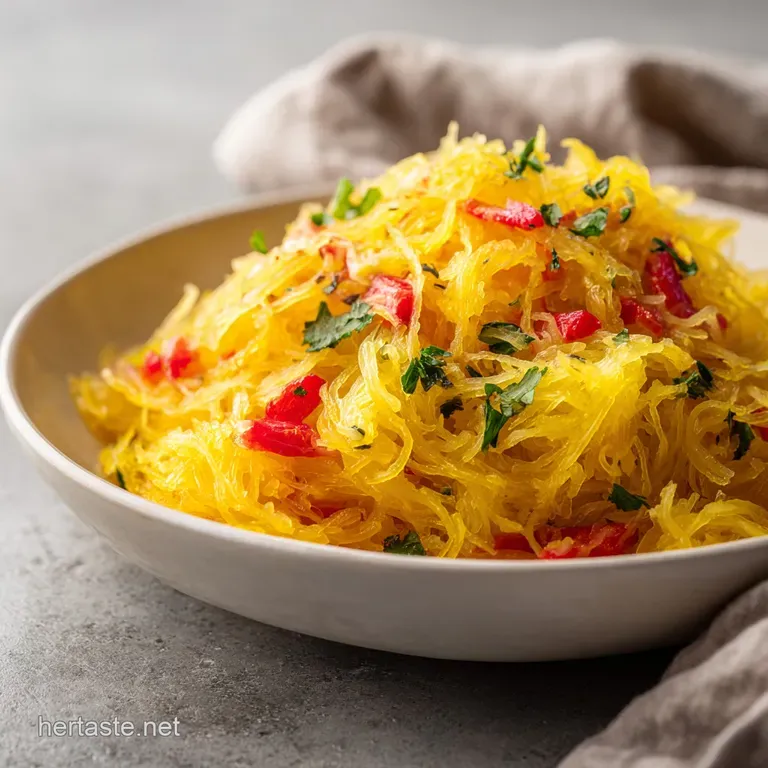
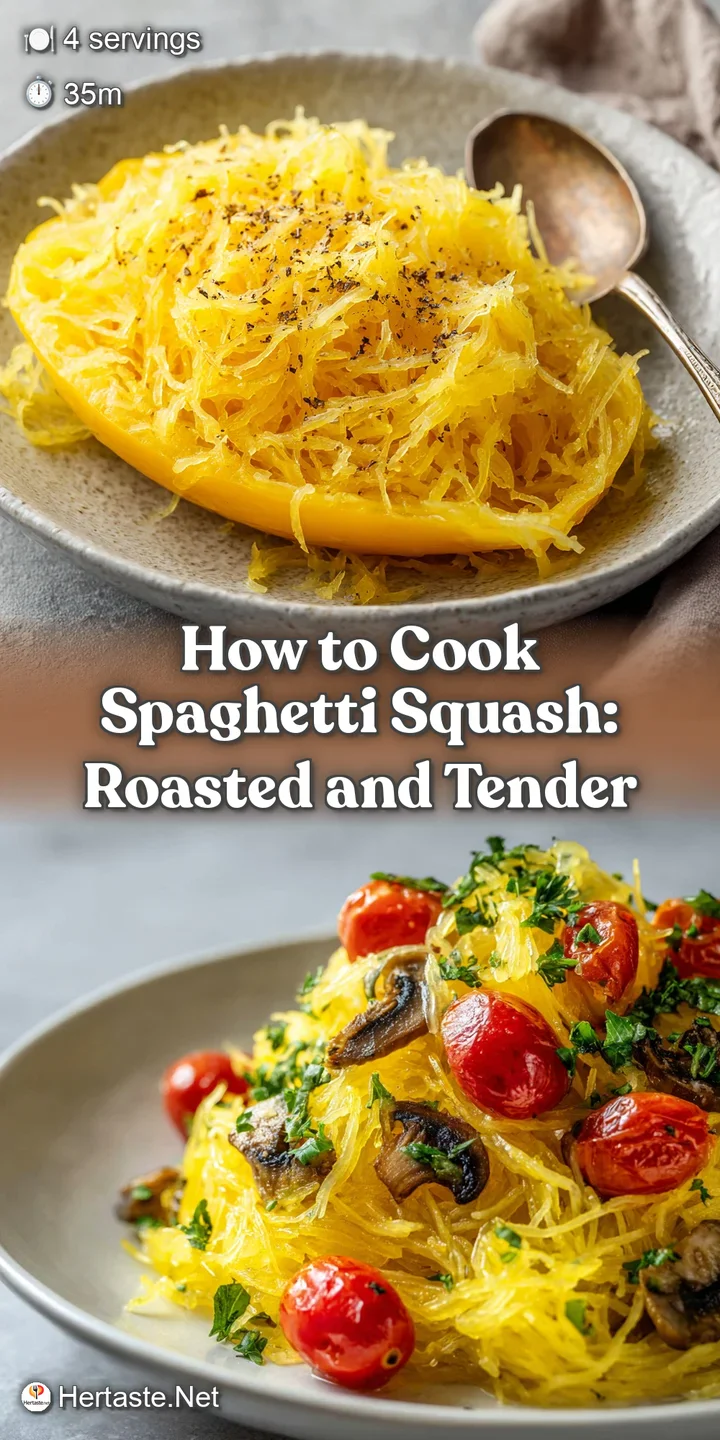
But then I learned the secret that changed everything. You don't actually have to fight the squash; you just have to soften its resolve. Now, when I pull a tray of these golden strands out of the oven, they don't just sit there they practically shimmer.
The edges are slightly browned and caramelized, and the texture has that specific "pop" when you bite into it, rather than the mushy texture of overcooked zucchini. It's a total win for anyone trying to eat better without spending a fortune on fancy gluten-free alternatives.
We’re going to walk through the most efficient way to get those long, silky strands every single time. We’ll talk about why the way you cut the squash matters more than the heat of your oven, and how a quick stint in the microwave can save your fingers from a trip to the ER.
Whether you’re looking for a base for a rich meat sauce or just a simple side with a bit of butter and salt, this is the foundational skill that makes healthy cooking feel like a treat rather than a chore.
Why High Heat Creates Better Vegetable Strands
The Physics of the Strand: High heat evaporates the high water content within the squash cells quickly, preventing the steam from softening the pectin too much. This ensures the fibers remain distinct and "al dente" rather than collapsing into a vegetable puree.
Chef Tip: For the longest strands possible, always cut your squash cross wise (into rings) rather than length wise. The fibers of the squash run in circles around the core, so cutting it into rings keeps those fibers intact for those satisfyingly long "noodles."
Method Comparison for Quick Results
| Method | Time | Texture | Best For |
|---|---|---|---|
| Oven Roast | 25-35 minutes | Nutty & Caramelized | Maximum flavor depth |
| Microwave | 10-12 minutes | Soft & Steamed | Ultimate time saving |
| Air Fryer | 20 minutes | Crispy Edges | Small batches (halves) |
I usually opt for the oven because that caramelization is where the flavor lives. If you are curious about specific timings for different squash sizes, you might want to check out my How Long To recipe which covers every variable imaginable.
Component Analysis for Better Results
| Ingredient | Science Role | Pro Secret |
|---|---|---|
| Spaghetti Squash | Primary Fiber Source | Pick one that feels heavy for its size to ensure high moisture density. |
| Extra Virgin Olive Oil | Heat Conductor | Rubbing it into the flesh creates a barrier that prevents the squash from drying out. |
| Fine Sea Salt | Moisture Drawer | Salt pulls out surface water, allowing the sugars to brown more effectively in the heat. |
Roasting this way creates a velvety mouthfeel that carries sauces much better than boiling or steaming ever could. It’s all about managing that moisture so the vegetable doesn't just taste like "watery health food."
Simple Ingredients for Savory Roasted Squash
This recipe relies on the squash itself being the star, so we keep the pantry additions minimal and budget friendly.
- 1 Medium Spaghetti Squash: Roughly 3 lbs (1.4 kg). Look for a vibrant yellow color without soft spots. Why this? Smaller squashes are often sweeter, but 3 lbs is the sweet spot for 4 servings.
- 2 Tablespoons Extra Virgin Olive Oil: (30 ml). This is our primary fat for roasting. Why this? It has a high enough smoke point for roasting while adding a fruity depth.
- 1 Teaspoon Fine Sea Salt: (5 g). Essential for seasoning and texture control.
- ½ Teaspoon Cracked Black Pepper: (2 g). Adds a necessary bite to balance the squash's natural sweetness.
Smart Ingredient Substitutions
| Original Ingredient | Substitute | Why It Works |
|---|---|---|
| Extra Virgin Olive Oil | Avocado Oil | Higher smoke point; very neutral flavor profile. |
| Fine Sea Salt | Garlic Salt | Adds a savory punch without needing extra fresh aromatics. |
| Black Pepper | Red Pepper Flakes | Adds heat perfect if you're serving this with a Mediterranean flair. |
Using these simple swaps helps you tailor the dish to whatever is in your pantry. If you’re looking to turn this into a full meal, it works surprisingly well as a base for my How to Make recipe if you want that cheeseburger flavor without the heavy wheat pasta.
Essential Tools for a Clean Kitchen
- Sturdy Chef's Knife: A sharp 8 inch blade is non negotiable for safety.
- Heavy Duty Baking Sheet: Prevents warping at high roasting temperatures.
- Large Metal Spoon: A sharpened edge helps scrape out seeds more efficiently than a plastic one.
- Parchment Paper: This is my favorite "lazy" tool because it prevents the squash from sticking and makes cleanup a five second job.
- Kitchen Fork: Used to shred the flesh into those iconic strands once it’s cooked.
Simple Steps for Flawless Golden Strands
- Prep the Squash: Use a sharp knife to poke several deep holes through the skin of the 1 Medium Spaghetti Squash. Note: This allows steam to escape so it doesn't burst in the next step.
- Soften the Skin: Microwave the whole squash for 3-5 minutes. Stop when the skin feels slightly givey under your thumb.
- Slice Carefully: Cut the squash in half length wise or into rings. Note: Rings yield longer strands, but halves are easier for beginners.
- Clear the Center: Use a metal spoon to scrape out the seeds and stringy pulp. Scrape until the yellow flesh is smooth and clean.
- Oil the Surface: Drizzle 2 Tablespoons Extra Virgin Olive Oil over the cut sides. Use your hands to ensure every inch of the yellow flesh is coated.
- Season Liberally: Sprinkle 1 Teaspoon Fine Sea Salt and ½ Teaspoon Cracked Black Pepper evenly across the oiled surface.
- Position for Roasting: Place the squash cut side down on a parchment lined baking sheet. Note: This creates a "steam chamber" that keeps the interior moist while the edges caramelize.
- Roast to Perfection: Bake at 400°F (200°C) for 25 minutes until the skin is easily pierced with a fork.
- Rest and Flip: Let the squash sit for 5 minutes before flipping. Wait until it’s cool enough to handle safely.
- Create the Strands: Use a fork to scrape the flesh from the outer skin toward the center. Scrape until you reach the skin and the interior is full of golden ribbons.
Fixing Sogginess and Common Texture Issues
Why Your Squash Is Watery
If your squash looks like a soup rather than spaghetti, it usually means it spent too much time in its own steam or wasn't salted enough. The salt is crucial for pulling that excess moisture to the surface where it can evaporate.
| Problem | Root Cause | Solution |
|---|---|---|
| Mushy Strands | Overcooked or steamed too long | Reduce roasting time by 5 minutes next time; roast cut side up for the last 10 minutes. |
| Crunchy Centers | Under cooked | Return to oven for 10 minutes; ensure the squash was room temperature before starting. |
| Bland Flavor | Lack of seasoning | Add salt before roasting, not just after. Use a flavored oil like garlic infused olive oil. |
Common Mistakes Checklist
- ✓ Never skip the "softening" microwave step - it makes the cutting process 10x safer.
- ✓ Always roast cut side down to prevent the tips of the strands from drying out and becoming "barky."
- ✓ Avoid using too much oil; 2 tablespoons is plenty. Excess oil will lead to greasy, limp noodles.
- ✓ Don't let the squash sit in the pan for too long after cooking, or the carry over heat will turn it to mush.
- ✓ Check for doneness at the 20 minute mark - every oven (and every squash) behaves differently.
Flavor Variations for Creative Side Dishes
Once you've mastered the basic roast, you can get creative without blowing your grocery budget. A little bit of cheese or a handful of herbs goes a long way here.
- The Mediterranean Twist: Toss the finished strands with feta cheese, kalamata olives, and a squeeze of lemon juice. It’s bright, salty, and feels much fancier than it is.
- Low Carb "Cacio e Pepe": Use a bit of the residual heat to melt in some Pecorino Romano and an extra generous crack of black pepper. It’s creamy, sharp, and incredibly satisfying.
- Garlic Butter Classic: Sauté two cloves of minced garlic in a tablespoon of butter, then toss with the squash and a handful of fresh parsley.
Decision Shortcut for Toppings
- If you want Comfort, do Marinara & Mozzarella.
- If you want Freshness, do Pesto & Toasted Pine Nuts.
- If you want Zing, do Buffalo Sauce & Blue Cheese Crumbles.
Guidelines for Cold Storage and Reheating
Storage: Store your roasted strands in an airtight container in the fridge for up to 4 days. I actually think the texture improves slightly after a night in the fridge as the fibers firm up.
Freezing: You can freeze spaghetti squash, but be warned: it will lose its "bite." To do it, squeeze out as much moisture as possible from the cooked strands using a clean kitchen towel, then freeze in freezer bags for up to 3 months. It’s best used in soups or casseroles after freezing.
Reheating: Avoid the microwave if you can. The best way to reheat is to toss the strands in a dry skillet over medium heat for 3-4 minutes. This evaporates any liquid that pooled during storage and restores that velvety texture.
Zero Waste Tip: Don't throw away those seeds! You can roast them exactly like pumpkin seeds. Clean them, toss with a tiny bit of oil and salt, and bake at 325°F (160°C) for 15 minutes until they shatter when you bite them.
Creative Ways to Serve Your Harvest
Serving this squash isn't just about replacing pasta; it's about using it as a vessel for flavor. Because the squash has a mild, slightly nutty sweetness, it plays well with both savory and sweet profiles. I’ve even seen people use it as a breakfast "hash" topped with a runny fried egg and some hot sauce.
If you’re hosting a dinner, try serving the strands right inside the hollowed out squash skins. It looks rustic and intentional, plus it saves you from washing extra bowls. Just be sure to scrape the sides well so your guests can get every last bit of that golden goodness.
It’s one of those rare dishes that feels like a "cheat meal" because of how voluminous it is, but it leaves you feeling light and energized. Honestly, once you nail this roasting technique, you might find yourself reaching for the squash more often than the box of dried pasta. It’s just that good.
Recipe FAQs
At what temperature do you roast spaghetti squash?
Roast at 400°F (200°C). This high heat is crucial for quickly evaporating moisture and caramelizing the natural sugars in the flesh, which prevents sogginess and deepens the nutty flavor.
How long do you keep squash in the oven at 400 degrees?
Bake for approximately 25 minutes. Check for doneness by piercing the skin with a fork; if it yields easily, it's done, but always check at the 20-minute mark as squash size varies.
What is the fastest way to cook spaghetti squash?
Microwave the whole squash for 3-5 minutes, then cut and roast. While microwaving alone cooks it faster, combining a quick microwave softening with the high heat roast gives the best balance of speed and superior texture.
What's the best way to eat spaghetti squash?
Toss it with butter, salt, and pepper immediately after shredding. This simple seasoning highlights the squash’s inherent nuttiness; for a richer meal, it pairs wonderfully with sauces, similar to how we balance flavors in our Louisiana Chicken Pasta recipe.
Is it true that cutting spaghetti squash lengthwise yields longer strands?
No, cutting the squash crosswise (into rings) yields the longest strands. The squash fibers run around its circumference, so slicing horizontally keeps those fibers intact, maximizing the "noodle" length.
What is the main reason my spaghetti squash comes out watery?
It was likely overcooked or not salted enough before roasting. Salting draws excess moisture out to the surface where it can evaporate during the high heat cooking process; mastering this moisture control is key.
Can I use another cooking method like boiling instead of roasting?
Yes, but boiling results in a significantly mushier texture. Roasting allows the sugars to caramelize and the water to evaporate, which is the same principle we use to develop deep flavor when we learn How to Boil recipe techniques for meat, focusing on high initial heat transfer.
Cook Spaghetti Squash Fast
Ingredients:
Instructions:
Nutrition Facts:
| Calories | 165 calories |
|---|---|
| Protein | 2.2 g |
| Fat | 8.7 g |
| Carbs | 23.5 g |
| Fiber | 5.1 g |
| Sugar | 9.2 g |
| Sodium | 485 mg |
