Coconut Cake: the Ultimate Cloud-Soft Layer Cake
- Introducing the Cloud-Soft Tropical Layer Cake: An Overview
- The Science of Supreme Moisture: Why This Layer Cake Excels
- Essential Components for the Ultimate Coconut Cake: Ingredients and Substitutions
- Step-by-Step Baking Method: Creating the Cloud Layers, Soak, and Frosting
- Troubleshooting the Layered Coconut Dessert: Chef's Tips and Common Mistakes
- Preservation and Longevity: Storage and Freezing Guide
- Recipe FAQs
- 📝 Recipe Card
Introducing the Cloud Soft Tropical Layer Cake: An Overview
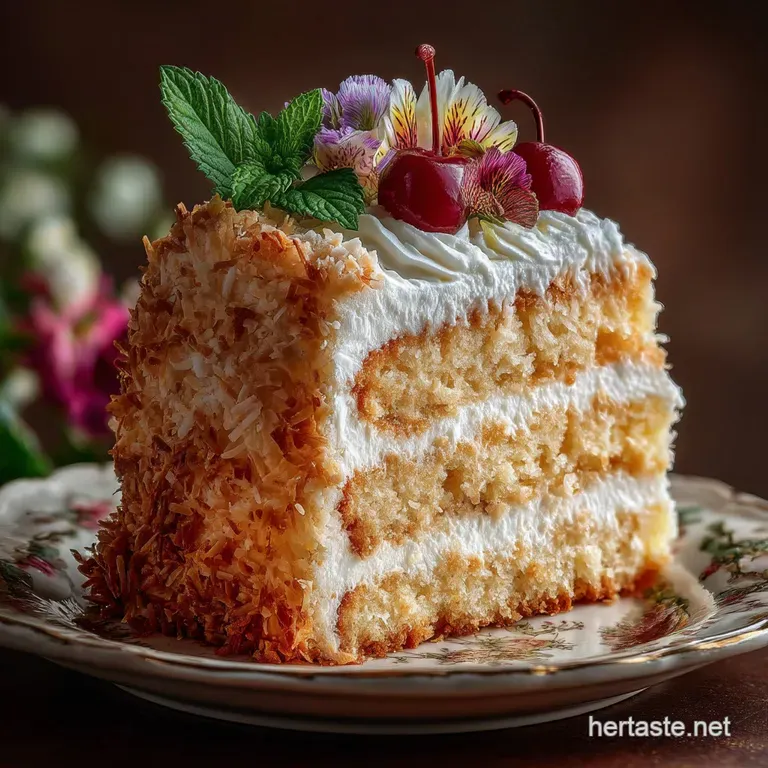
If heaven had a scent, it would smell exactly like baking this Coconut Cake . That warm, slightly caramelized sugar aroma mixed with the deep, intoxicating tropical note of coconut extract?
It is pure magic, instantly transporting you somewhere sunny, even if it's currently raining outside your window. This isn't one of those dry, disappointing sponges you sometimes encounter; this is the cloud soft, intensely moist layer cake that tropical dreams are made of.
I know, the phrase "layer cake" often sounds intimidating, suggesting hours spent fighting with collapsing frosting and uneven layers, but trust me, this specific method for Coconut Cake is incredibly forgiving.
We are using simple, cheap ingredients and a foolproof technique that guarantees tenderness every time. The sheer joy of watching someone bite into this fluffy, white perfection and immediately ask for the recipe makes the couple of hours of active kitchen time totally worth the effort.
We are going to cover absolutely everything you need to know: the buttermilk secret, the vital soaking syrup that ensures supreme moisture, and the technique for getting that stable, tangy cream cheese frosting without it collapsing.
Ready to ditch the boxed mix forever and start making the very best Homemade Coconut Cake you’ve ever tasted? Let's crack on and get into the crucial details.
The Science of Supreme Moisture: Why This Layer Cake Excels
A good cake is all about fat and moisture distribution, but a great cake requires intentional structural support and layering. The reason this recipe works so well is that we don't rely solely on the batter’s moisture to carry the load; we inject moisture and flavor after baking.
This specific Coconut Cake method guarantees incredible results.
What Makes This Cake Truly 'Cloud Soft'?
The key to the cloud soft texture lies entirely in the creaming method and the inclusion of cake flour . When you cream the butter and sugar, you are physically incorporating air pockets; these pockets are what help the cake rise and stay light.
Cake flour, which has a lower protein content than all-purpose, minimizes gluten development, preventing the cake from becoming dense or chewy. It is essential if you want a truly refined, delicate Coconut Cake .
Tools You Will Need for Effortless Baking Success
Honestly, having the right equipment makes this a breeze. While you can use a hand mixer, a sturdy electric stand mixer is absolutely the star of the show. It handles the heavy lifting of creaming the butter and whipping the thick cream cheese frosting beautifully.
Make sure you have two 8 inch round cake pans and remember to line the bottoms with parchment paper; it saves so much heartache during the cooling stage.
The Buttermilk Secret: Achieving a Tender Crumb
Buttermilk is non-negotiable in this recipe because its acidity slightly breaks down the gluten strands, resulting in an exceptionally tender crumb. This acidic environment also works wonders with the baking soda and powder, giving you a beautiful, even rise.
If you want a tall, soft, non-dry Best Homemade Coconut Cake , do not swap the buttermilk out for plain milk unless you follow the DIY substitution method exactly.
Infusing Maximum Flavor: The Coconut Milk Syrup Soak
This is the secret weapon that elevates this from a good cake to an unforgettable one. As soon as the cake layers come out of the oven and are slightly cooled, we drench them in a warm, thin syrup made from coconut milk and sugar.
The still warm cake acts like a thirsty sponge, soaking up that extra flavor and moisture. This step ensures that the final Coconut Layer Cake Recipe remains intensely moist even days later, which is a huge bonus.
Balancing the Richness: The Tangy Cream Cheese Finish
Since this Cloud Soft Coconut Cake is quite rich, we need a frosting that cuts through the sweetness and balances the tropical notes. While a buttercream is lovely, a classic cream cheese frosting offers that vital tangy counterpoint.
We use slightly less sugar than traditional recipes and ensure the cream cheese remains cold when beating it with the softened butter; this keeps the frosting stable and provides a wonderful structural integrity.
Essential Components for the Ultimate Coconut Cake: Ingredients and Substitutions
Success starts with the shopping list. Paying attention to temperature and texture of your ingredients is crucial for achieving that superior Coconut Layer Cake Recipe . Don't be tempted to skip the specific notes below; they matter!
Selecting the Right Coconut for Baking (Flaked vs. Shredded)
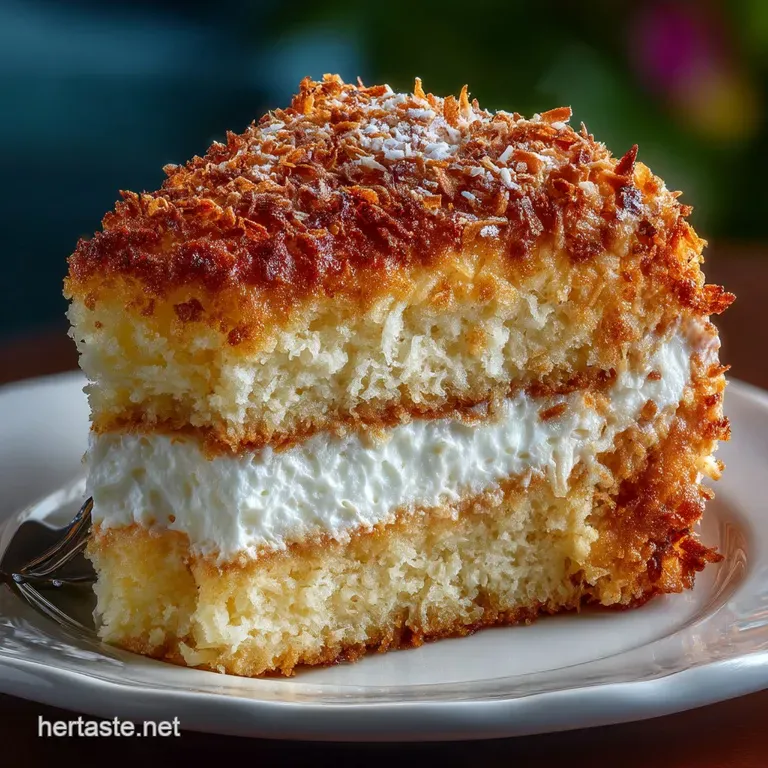
You need two kinds of coconut for this recipe. We use sweetened shredded coconut (finer strands) mixed directly into the batter. This adds moisture and ensures coconut flavour throughout the sponge. For the exterior coating, you must use sweetened flaked coconut .
The flakes are larger and toast up beautifully, providing that essential textural crunch that makes this White Coconut Cake Recipes so visually appealing and delicious.
Optimizing Dairy: Buttermilk vs. DIY Substitutes
As mentioned, buttermilk is the best choice for tenderness. However, sometimes you realize you’re out halfway through mixing! Don't panic. You can quickly make your own. For those who prefer a more European style cake, sometimes I swap the buttermilk for heavy cream in cakes like my Banana Cream Cake: A Proper Pâtisserie Layer Cake , but for the specific crumb we want in this Coconut Cake , buttermilk reigns supreme.
| Ingredient Needed | Viable Substitution | Notes on Substitution |
|---|---|---|
| Buttermilk | 1 cup Milk + 1 tbsp Vinegar/Lemon Juice | Let stand 5 minutes until curdled. |
| Cake Flour | All-Purpose Flour (remove 2 tbsp per cup, replace with 2 tbsp cornstarch) | Results in a slightly less tender crumb, but works in a pinch. |
| Unsalted Butter | Salted Butter (Omit the ½ tsp salt from the dry ingredients) | Be careful of varying salt levels. |
Making Sense of Coconut Extract vs. Flavoring
If you see "Coconut Flavoring," it’s often synthetic and weak. Look specifically for Coconut Extract . A good extract uses a natural base and delivers a potent flavor punch.
Since we are using this extract in both the cake and the frosting, it is absolutely key to getting that deep, intense tropical flavour profile in your finished Simple Coconut Cake .
If you really can’t find it, vanilla extract is your next best bet, or a hint of almond extract works beautifully, too.
The Frosting Matrix: Butter, Cream Cheese, and Vanilla Ratios
The balance here is tricky. We need the cream cheese to lend that necessary tang, but we need the butter to provide the structure and whip ability. Crucially, the cream cheese must be cold while the butter is softened.
This temperature difference, combined with the gradual addition of sifted powdered sugar, prevents a weeping, soupy frosting. If you use room temperature cream cheese, you’ll end up with a mess that slides off the sides of your lovely Homemade Coconut Cake .
step-by-step Baking Method: Creating the Cloud Layers, Soak, and Frosting
This recipe is structured into four distinct phases. Take your time, focus on one phase at a time, and remember that cooling is just as important as baking.
Mixing the Batter for Maximum Airiness (Avoiding Overmixing)
Start by ensuring all your dry ingredients the sifted flour, baking powder, and salt are perfectly whisked together. Set that aside. Next, the creaming: beat the softened butter and sugar until the mixture is visibly lighter in colour and texture, almost like a pale paste.
Don't rush this stage; it takes a full 3 to 4 minutes. Add the eggs one at a time, then proceed with the alternating additions of the flour mix and the buttermilk. Stop the mixer immediately once the last streaks of dry flour disappear.
This deliberate under mixing is how we achieve that Cloud Soft Coconut Cake texture.
Preparing the Warm Coconut Milk Syrup for Soaking
While the baked layers are cooling on the rack, you can whip up the syrup. This involves simply warming the canned coconut milk and sugar in a small saucepan. Heat it just enough to dissolve the sugar completely. You want it warm, not hot.
Once the cake layers are completely cooled (this is non-negotiable warm cake plus liquid equals a soggy mess!), use a skewer to poke holes evenly across the entire top surface. Then, brush on that warm coconut syrup.
Watch it absorb instantly; it is truly satisfying and guarantees the most decadent Coconut Cake Recipe result.
Whipping the Perfect Stabilized Cream Cheese Frosting
This requires focus on temperature. First, beat the cold cream cheese until it’s smooth and lump free. Then, add the softened butter and beat until combined. Next, switch the mixer speed down to low and gradually introduce the sifted powdered sugar.
Only switch to medium high speed once all the sugar is incorporated. This prevents a powdered sugar cloud explosion in your kitchen, trust me. Add the extract and the tiny bit of coconut milk to achieve perfect, pipeable consistency.
Chef's Note: If your frosting still feels too loose, even after adding all the sugar, it is often due to a warm kitchen. Place the bowl in the freezer for precisely 5 to 7 minutes. It will firm up beautifully without splitting and will make frosting your Coconut Layer Cake Recipe much easier.
Assembling and Decorating the Layered Masterpiece
Place the first soaked layer down. Frost it evenly with about a third of your frosting. Stack the second layer on top. Now, we apply the essential crumb coat . Use a thin layer of frosting to seal in all the loose crumbs on the sides and top.
Don’t worry about perfection here; this is just a sealant. Chill the whole cake for 30 minutes. Once the crumb coat is firm, apply the remaining thick layer of frosting smoothly. Finally, press those beautifully toasted coconut flakes onto the sides and top.
That toasted coconut transforms the entire look and flavor of the finished Coconut Cake .
Troubleshooting the Layered Coconut Dessert: Chef's Tips and Common Mistakes
Even the most meticulous home bakers make mistakes, especially when dealing with a layer cake where temperature and mixing technique are critical. Don't let a small slip ruin your beautiful Easy Coconut Cake Recipe .
How to Prevent Sunken Cake Layers
Cake layers sink for two main reasons: they weren't fully baked, or there was too much leavening (baking soda/powder) relative to the fat and sugar. Never open the oven door during the first 25 minutes of baking.
Wait until the required time and test the centre with a toothpick; it should come out clean. If you see deep cracks, you might have used too much baking powder, which causes a rapid, unstable rise followed by a collapse.
Fixing a Split or Grainy Frosting
If your cream cheese frosting looks grainy or split, it means the butter and cream cheese temperatures were too far apart, or you whipped the cream cheese for too long initially. The quick fix: Take about 1/4 cup of the split frosting and microwave it until it’s barely melted (just a few seconds).
Slowly drizzle this liquid back into the main bowl while the mixer is running on low. This often miraculously re-emulsifies the fats. For future reference, if you've had trouble with grainy frostings before, check out my tips on stabilizing cream cheese in my Strawberry Sheet Cake with Cream Cheese Frosting Recipe .
It's the key to a flawless Coconut Cake Frosting .
The Art of Toasting Coconut Flakes for Peak Crunch
Do not skip toasting the coconut! Raw coconut is chewy and doesn't offer the deep, nutty dimension required for a truly amazing dessert. Spread the flakes thinly on a sheet pan and bake at 325°F (160°C) for about 5 to 8 minutes, watching them like a hawk.
They go from pale white to perfectly golden brown very fast. Alternatively, use a dry skillet over medium heat, stirring constantly until fragrant. The beautiful golden flakes applied to the outside of the finished Coconut Cake give it visual appeal and fantastic texture.
Preservation and Longevity: Storage and Freezing Guide
You've put in the effort to create this stunning, complex cake. Let's make sure it lasts! This is a rich Best Homemade Coconut Cake that holds up exceptionally well due to the added moisture from the soaking syrup.
Optimal Refrigeration: Keeping the Cake Fresh for Days
Because this recipe uses cream cheese frosting and includes dairy soaks, the assembled cake must be stored in the refrigerator . Place the entire cake in an airtight cake carrier or under a dome. It will keep beautifully for 4 to 5 days.
For the absolute best flavour and texture, let a slice warm up slightly at room temperature for 20 minutes before serving; this allows the frosting and the buttery crumb to soften properly.
Freezing Unfrosted Cake Layers (Technique and Thawing)
One of my favourite shortcuts is pre-baking cake layers. You can easily freeze the cooled, soaked cake layers before frosting. Wrap each individual layer tightly in plastic wrap, then wrap again in aluminium foil. They can be frozen for up to 3 months.
When you are ready to assemble your next Homemade Coconut Cake , simply thaw the layers overnight in the refrigerator, then proceed directly to making the frosting and assembling.
Perfect Beverage Pairings (Tea, Coffee, or Cocktails)
The bright, tropical flavor of this cake pairs wonderfully with beverages that can cut through the richness without overwhelming the delicate coconut notes. A classic Black Tea , like Earl Grey or even a simple English Breakfast, is divine. If you're hosting an evening party, consider pairing the Ultimate Cloud Soft Coconut Layer Cake with a strong, dark rum or a sparkling glass of Prosecco. If you prefer a darker, earthier flavour contrast, perhaps try my Chocolate Chip Cake: Ultimate Brown Butter Layer Recipe next time!
Recipe FAQs
Why did my Cloud Soft Coconut Cake turn out dry, even with the syrup soak?
The most common cause for dryness is overmixing the batter, which develops too much gluten and creates a tough, dry crumb. Ensure you stop mixing as soon as the last streaks of flour disappear and avoid compacting your flour during measurement.
If the cake is still dry, check that your oven thermometer is accurate, as baking too long at too high a heat can evaporate essential moisture.
Can I substitute buttermilk if I don't have any on hand for the batter?
Yes, you can easily make a homemade buttermilk substitute if necessary. For every 1 cup of buttermilk required, measure 1 tablespoon of white vinegar or lemon juice into a measuring cup. Fill the rest of the cup with regular whole milk and let it sit for 5 to 10 minutes until it curdles slightly and thickens.
How should I store the finished coconut layer cake, and how long does it last?
Since the recipe uses cream cheese frosting, the finished cake must be stored in the refrigerator. Cover it loosely or place it in an airtight cake carrier to prevent it from absorbing refrigerator odors.
It will stay fresh for up to 4 days, but for the best flavor and softest texture, allow individual slices to sit at room temperature for 30 minutes before serving.
Can I freeze the coconut cake layers?
Yes, the baked and cooled cake layers freeze beautifully prior to the syrup soak and frosting application. Wrap each layer tightly in plastic wrap, followed by a layer of aluminum foil to prevent freezer burn and moisture loss.
They can be stored for up to three months; simply thaw them overnight in the refrigerator before proceeding with the rest of the recipe.
The cream cheese frosting is too soft or runny. How can I ensure it stays firm?
A runny frosting usually results from using butter or cream cheese that is too warm, or adding too much liquid. If your frosting is soft, chill the bowl in the refrigerator for 20 minutes before re-whipping until it reaches the desired stiff consistency.
Ensure you are using high-quality brick cream cheese, not the spreadable tub variety, for optimal structure.
My toasted coconut topping burned quickly. What's the safest way to achieve a perfect golden brown?
Coconut flakes are high in sugar and burn very easily, so constant attention is required during the toasting process. The safest method is to spread the flakes on a baking sheet and toast them at a low temperature, around 325°F (160°C), stirring every 2 minutes.
Alternatively, use a dry skillet over medium low heat, tossing the coconut frequently until it is evenly golden and fragrant.
Cloud Soft Coconut Layer Cake
Ingredients:
Instructions:
Nutrition Facts:
| Calories | 520 kcal |
|---|---|
| Protein | 6.0 g |
| Fat | 20.0 g |
| Carbs | 83.0 g |
