Classic Martini Cocktail
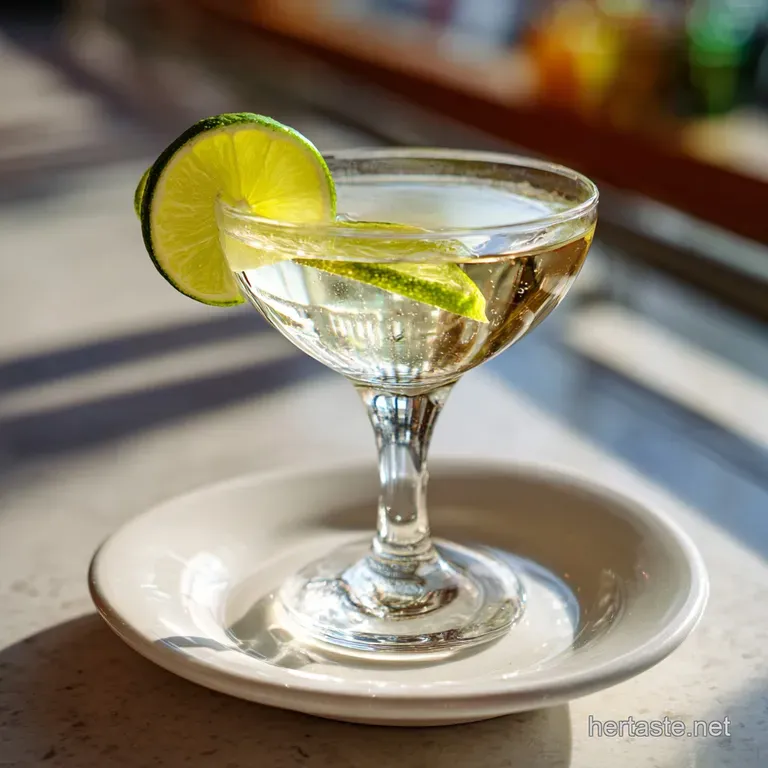
- Time: Active 5 minutes, Passive 0 minutes, Total 5 minutes
- Flavor/Texture Hook: Silky, botanical, and crisp
- Perfect for: Happy hour, dinner parties, or a quiet evening reward
- The Art of the Classic Martini Cocktail
- The Physics of the Frost
- Selecting the Best Spirits and Fortified Wines
- Essential Tools for a Professional Bar Result
- Step-by-Step Guide to the Ideal Pour
- Troubleshooting Your Home Bar Technical Errors
- Innovative Twists on the Standard Drink Profile
- Debunking Martini Myths
- Maximizing Shelf Life and Reducing Citrus Waste
- Forging the Best Culinary Matches for Cocktails
- Martini Cocktail FAQs
- 📝 Recipe Card
The Art of the Classic Martini Cocktail
I still remember the first time I actually got this right. For years, I thought a Martini Cocktail was just a glass of cold gin that tasted like a pine tree. I’d seen people in movies order them with such confidence, but mine always felt aggressive and sharp.
Then, one humid Tuesday, a bartender friend showed me the "frost and flick" technique. The moment that chilled, velvety liquid hit my tongue, everything changed. It wasn't just a drink; it was a texture experience.
The secret wasn't in some expensive, gold flaked bottle. It was in the ice and the temperature of the glass. When you hear the rhythmic "clink clink clink" of the long spoon against the mixing glass, you aren't just stirring; you're forging a specific dilution ratio.
If you've ever wondered whats in a martini that makes it so legendary, it’s the way the water from the melting ice softens the botanicals of the gin, making them bloom like a garden after rain.
We’ve all made the mistake of using "old" ice from the back of the freezer that smells like frozen peas. Trust me, don't do that. You want fresh, hard ice that crackles when it hits the room temperature gin.
Today, we're going to walk through how to make a drink that feels like a crisp winter morning, right in your own kitchen. Whether you prefer a vodka martini recipe or the traditional gin heavy version, these rules are your new best friend.
The Physics of the Frost
Thermal Mass Conductivity: Pre chilling your glass and spirits ensures the ice only dilutes the drink to the point of softening the alcohol, rather than melting rapidly and drowning the flavors. This creates a viscous, silky mouthfeel that room temperature ingredients can never achieve.
| Method | Time | Texture | Best For |
|---|---|---|---|
| Traditional Stirred | 5 minutes | Silky and clear | Gin based classics |
| The Fast Shake | 2 minutes | Brisk and aerated | Vodka or Dirty Martinis |
| Freezer Batch | 1 minutes | Syrupy and heavy | Large dinner parties |
Stirring is generally preferred for a gin martini because it preserves the clarity and prevents "bruising" the delicate botanicals. However, if you are moving quickly, the fast shake provides an immediate chill that many people find refreshing for a casual weeknight drink.
Selecting the Best Spirits and Fortified Wines
| Ingredient | Science Role | Pro Secret |
|---|---|---|
| Premium Gin/Vodka | Spirit Base | Store your bottle in the freezer to maintain a low starting temperature. |
| Dry Vermouth | Aromatics | Always use a bottle opened within the last month for the brightest acidity. |
| Orange Bitters | Bridge Flavor | This tiny addition ties the herbal gin notes to the citrus garnish. |
Most people wonder what's in a martini that gives it that sophisticated edge. It is almost always the vermouth. Because vermouth is a fortified wine, it oxidizes. If yours has been sitting on the shelf for a year, it’s going to taste like cardboard. Keep it in the fridge! For another sophisticated option, you might find my Dirty Martini Recipe interesting if you enjoy a savory kick.
Essential Tools for a Professional Bar Result
You don't need a thousand dollar setup to make a world class drink. A simple heavy bottomed glass or a specialized mixing tin will do. The goal is to have enough space for the ice to move freely around the liquid.
If you use a container that's too small, you won't get that "shatter" of cold that makes the first sip so impactful.
I personally use a long, weighted bar spoon because it glides along the edges of the glass without splashing. If you don't have one, the handle of a long wooden spoon works in a pinch. Just make sure whatever you use is clean and hasn't just been used to stir a pot of garlic sauce! For those who love a bit of flair and a sweeter profile, you could also try an Indulgent Chocolate Martini Recipe for dessert.
- 2.5 oz (75ml) premium gin or vodkaWhy this? The backbone of the drink; quality spirits ensure no harsh "burn" aftertaste.
- 0.5 oz (15ml) dry vermouthWhy this? Adds floral complexity and essential acidity to balance the high proof spirit.
- 1 dash orange bittersWhy this? An old school trick to bridge the citrus and botanical flavors together.
- 2 cups fresh iceWhy this? Provides the necessary thermal mass for a deep, rapid chill.
- 1 wide strip of lemon peelWhy this? The essential oils provide a sensory aroma before you even take a sip.
| Original Ingredient | Substitute | Why It Works |
|---|---|---|
| Premium Gin | Mid shelf Vodka | Cleaner, more neutral profile. Note: Focuses on texture over botanicals. |
| Dry Vermouth | Lillet Blanc | Adds a touch of honeyed sweetness and floral notes to the finish. |
| Orange Bitters | Lemon Zest | Provides a bright, citrusy punch if you don't have bitters on hand. |
When you're looking at whats in a martini cocktail, remember that the ratios can change based on your mood. A "Dry" Martini uses less vermouth, while a "Wet" version uses more. Don't be afraid to experiment until you find your own "goldilocks" zone.
step-by-step Guide to the Ideal Pour
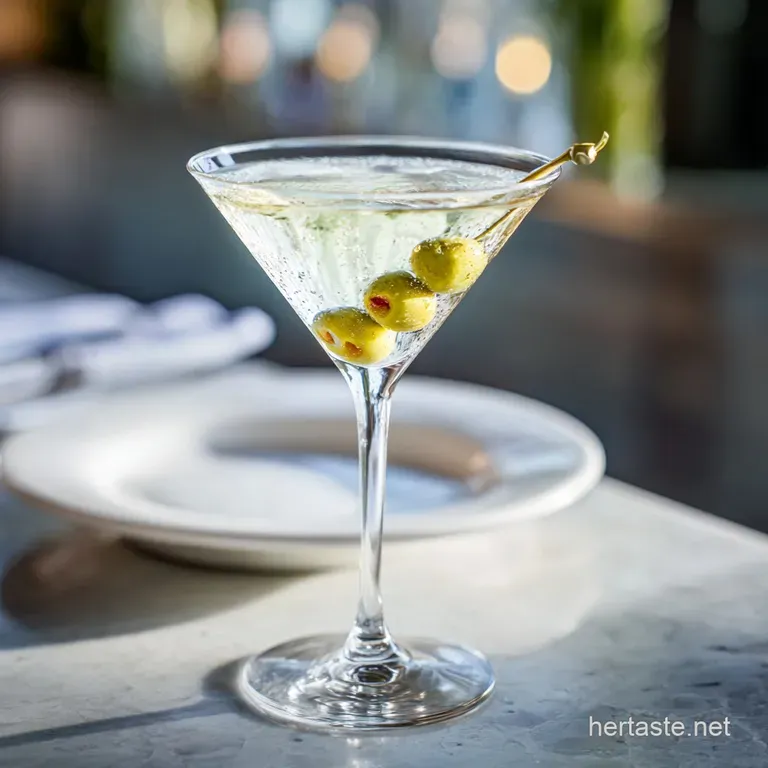
- Chill your glass. Place your martini glass in the freezer for at least 10 minutes. Note: A frosted glass keeps the drink at the "shatter" point of coldness longer.
- Measure the spirits. Pour 2.5 oz (75ml) of gin or vodka into a mixing glass.
- Add the vermouth. Pour 0.5 oz (15ml) of dry vermouth over the spirit.
- Add the bitters. Drop in 1 dash of orange bitters.
- Fill with ice. Add 2 cups of fresh ice until the glass is three quarters full.
- Stir with intention. Stir for 30 seconds until the mixing glass feels painfully cold to the touch.
- Strain carefully. Use a Julep or Hawthorne strainer to pour the liquid into your chilled glass.
- Express the oils. Twist the lemon peel over the surface of the drink. Note: You should see tiny droplets of oil landing on the surface.
- Garnish and serve. Drop the peel into the glass or perch it on the rim.
Chef's Tip: If you really want to forge a unique flavor, try "rinsing" the glass with vermouth. Pour a splash in, swirl it to coat the sides, and dump the excess before adding your chilled gin. This gives you the aroma of the wine without the weight.
Troubleshooting Your Home Bar Technical Errors
Why Your Martini Is Clouded
If your drink looks murky instead of diamond clear, you likely shook it too hard or used "soft" ice that splintered into tiny fragments. While it tastes fine, that crystal clarity is the hallmark of a stirred classic. Always stir in a circular motion, keeping the back of the spoon against the glass wall.
The Harsh Alcohol Bite
If the first sip makes you wince, the drink isn't cold enough or hasn't been diluted sufficiently. Alcohol molecules "calm down" at lower temperatures. If your ice is melting too slowly because the room is cold, you might need to stir for an extra 15 seconds to get that necessary water integration.
| Problem | Root Cause | Solution |
|---|---|---|
| Too strong/burning | Lack of dilution | Stir for an extra 10-15 seconds with fresh ice. |
| Flat/Boring flavor | Old vermouth | Taste your vermouth first; it should be crisp, not oxidized. |
| Watery/Weak | Too much stirring | Use larger ice cubes to control the melt rate more effectively. |
Common Mistakes Checklist:
- ✓ Never use ice that has been sitting in an open tray for weeks (it absorbs freezer smells).
- ✓ Don't skip the citrus garnish; the aroma is 50% of the tasting experience.
- ✓ Pre chill your mixing glass as well as your serving glass.
- ✓ Store your gin in the freezer if you like an extra viscous texture.
- ✓ Only use "Dry" vermouth for this specific recipe; sweet vermouth is for Manhattans!
Innovative Twists on the Standard Drink Profile
If you want to scale this for a party, the math is simple, but the execution requires a slight tweak. For a batch of four people, use 10 oz (300ml) of gin and 2 oz (60ml) of vermouth.
However, since you won't be stirring with ice, you must add about 0.5 oz (15ml) of filtered water per serving to the bottle before freezing. This mimics the dilution you'd get from stirring.
If you want a savory profile, try the "In and Out" method. It creates an incredibly dry finish. For a more festive mood, you can look into a Thanksgiving Margarita recipe which uses similar citrus balance but with a seasonal twist.
- For a crowd (4 servings): Mix 10 oz gin, 2 oz vermouth, and 2 oz filtered water in a carafe. Freeze for 4 hours.
- The Single "Sip": If you only want a tiny refresher, halve the recipe but use a smaller glass to maintain the temperature.
- The "Gibson" variation: Swap the lemon peel for a cocktail onion for an earthy, savory depth.
Debunking Martini Myths
There is a long standing myth that "bruising the gin" by shaking it ruins the flavor. In reality, you aren't actually damaging the molecules. What you are doing is aerating the drink, adding tiny bubbles that change the mouthfeel from silky to sharp, and potentially over diluting it.
Shaking is for drinks with juice or egg whites; stirring is for the "spirit forward" soul.
Another misconception is that a "Dry Martini" means it has more vermouth to make it "drier." It’s actually the opposite! "Dry" refers to using less of the dry vermouth.
If you want no vermouth at all, you're technically just drinking a glass of cold gin which is fine, but it’s not quite the same culinary experience.
Maximizing Shelf Life and Reducing Citrus Waste
Storage: Your gin and vodka will last indefinitely in the freezer, which is where they belong! Vermouth, however, is a wine. Once opened, it should be kept in the refrigerator and used within 4 to 6 weeks.
If it starts to smell like raisins or vinegar, it’s time to toss it or use it for cooking chicken.
Zero Waste: Don't throw away the rest of that lemon! After taking your wide strip of peel for the Martini Cocktail, juice the lemon and freeze the juice in ice cube trays. You can use these for future cocktails or to brighten up a glass of water.
The leftover "husk" of the lemon can be tossed into a jar of white vinegar for a week to create a natural, citrus scented kitchen cleaner.
Forging the Best Culinary Matches for Cocktails
A Martini Cocktail is naturally salty and acidic, which makes it a powerhouse when paired with fatty or briny foods. The traditional choice is a bowl of high-quality Castelvetrano olives. The buttery texture of the olive cuts through the sharpness of the gin, while the salt enhances the botanical notes.
If you're feeling adventurous, try serving this with fresh oysters on the half shell. The "sea spray" flavor of the oyster is a natural partner for the crisp, cold spirit. For a more casual pairing, even a simple bowl of salty potato chips works wonders.
The crunch and the salt act as a perfect foil to the velvety liquid, making each sip feel even more refreshing.
Whether you're making a classic Martini Recipes Classic version or trying something new like an Electric Blue Martini recipe, the key is always in the temperature. Keep things cold, keep your vermouth fresh, and never settle for cloudy ice. Cheers to the most sophisticated five minutes you'll spend in your kitchen today!

Martini Cocktail FAQs
What is a basic martini made of?
Gin or vodka, dry vermouth, and bitters. The foundation is typically two parts spirit to one part vermouth, though ratios vary widely depending on preference. A dash of orange bitters is often used to bridge the flavors between the spirit and the botanicals.
What is in a dirty martini?
Olive brine is added to the standard mixture. A dirty martini is simply a classic martini (gin or vodka and vermouth) that has been enriched with a small amount of high-quality olive brine. This imparts a savory, salty, and slightly cloudy quality to the drink.
Is a martini a strong drink?
Yes, martinis are inherently very strong. They are spirit forward cocktails, meaning they contain little to no added non-alcoholic mixers like juice or soda. If you prefer something lighter, consider a cocktail with more mixers, such as our Bay Breeze Cocktail recipe.
What makes a martini dirty or not?
The presence of olive brine dictates if it is "dirty." A standard or "clear" martini contains only the spirit, vermouth, and optional bitters, yielding a crystal clear appearance. Adding olive brine transforms it into a savory, cloudy "dirty" version.
Should I shake or stir my martini?
Stir for clarity and texture; shake for chill and aeration. Traditionalists insist on stirring gin martinis to maintain clarity and avoid "bruising" the botanicals, resulting in a silky mouthfeel.
Shaking is acceptable for vodka or very dirty versions where texture is less critical than immediate coldness.
How do I make my martini taste less harsh?
Ensure your ingredients and glass are extremely cold before mixing. The harshness dissipates when the alcohol is properly chilled and slightly diluted, which softens the burn. If you master the precise chilling and dilution ratio here, the technique applies perfectly to achieving a smooth finish in our Pecan Pie Martini recipe.
What is the role of vermouth in a martini?
Vermouth provides essential aromatics and balances the high proof spirit. It is a fortified wine that adds complexity, slight sweetness, and acidity to prevent the drink from tasting solely like cold alcohol. You must use fresh vermouth, as it oxidizes quickly once opened.
Classic Martini Cocktail Recipe
Ingredients:
Instructions:
Nutrition Facts:
| Calories | 208 kcal |
|---|---|
| Protein | 0 g |
| Fat | 0 g |
| Carbs | 0.4 g |
| Fiber | 0 g |
| Sugar | 0.2 g |
| Sodium | 2 mg |
