The Ultimate Classic Homemade Lasagna
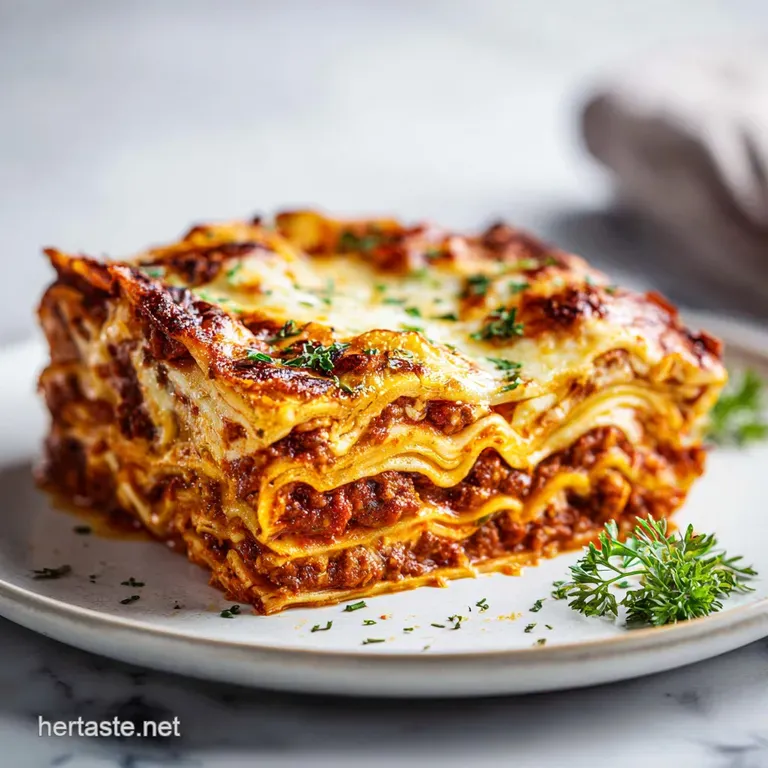
- Time: Active 40 minutes, Passive 75 minutes, Total 115 minutes
- Flavor/Texture Hook: Velvety meat sauce with crispy, golden mozzarella edges
- Perfect for: Sunday family gatherings or high yield meal prep
- Crafting Your Favorite Traditional Meat Lasagna Recipe
- Understanding the Exact Timing and Yield for Success
- Why This Recipe Works
- Selecting the Best Components for a Rich Meat Sauce
- Gathering the Necessary Tools for an Easy Assembly Process
- Mastering the Layering and Baking Process for Better Results
- Fixing Soggy Layers and Other Common Baking Mistakes
- Adapting the Classic Ingredients for Different Dietary Needs
- Managing Your Leftovers and Meal Prep Planning Effectively
- Choosing the Best Side Dishes for a Complete Meal
- Recipe FAQs
- 📝 Recipe Card
Crafting Your Favorite Traditional Meat Lasagna Recipe
Have you ever wondered why some lasagna slices stand tall like a culinary skyscraper while others immediately transform into a puddle of "cheese soup" the moment your knife hits the plate? It is one of those kitchen mysteries that usually comes down to hidden moisture and the structural integrity of your cheese layers.
When you hear that first sizzle of lean ground beef hitting a hot Dutch oven, you are not just browning meat, you are setting the stage for a sauce that needs to be thick enough to support several layers of pasta without losing its soul.
I remember a time when I thought more sauce was always better, only to end up with a dish that required a spoon rather than a fork. It was a mess, honestly. That is when I started focusing on the "reduction" phase of the sauce. This lasagna recipe is all about managing that liquid.
We want the flavor of the tomatoes and the richness of the 90/10 beef, but we don't want the excess water. By the time we start layering, that sauce should look like a thick, jammy ragù that clings to the back of a spoon.
What makes this specific version stand out is the personal touch of grating the vegetables. Instead of chunky onions and celery, grating them allows them to melt into the beef, creating a uniform texture that lets the pasta shine.
You get all the sweetness from the carrots and the savory punch from the garlic, but without any awkward bites of crunchy veg in the middle of a silky layer. It's a small change that makes a massive difference in how the dish feels in your mouth.
Understanding the Exact Timing and Yield for Success
Before you even pull the ricotta out of the fridge, you need a clear map of how this dish comes together. Lasagna is not a "toss it in and hope" kind of meal, it requires a bit of rhythmic timing. You have to balance the simmer of the sauce with the whipping of the ricotta.
If you rush the sauce, the noodles will absorb too much liquid and turn to mush. If you don't let it rest after baking, the whole thing will slide apart.
| Cook Method | Time | Texture | Best For |
|---|---|---|---|
| Standard Oven | 75 minutes | Even browning and firm structure | Classic family dinner |
| Stovetop (Skillet) | 35 minutes | Softer noodles and saucier finish | Quick weeknight craving |
| Convection Oven | 60 minutes | Very crispy edges and faster melt | Those who love "crunchy" corners |
The magic happens in that final 15 minutes of resting. I know it's hard to wait when the kitchen smells like toasted Parmigiano Reggiano and garlic, but that rest time allows the proteins in the cheese and the starches in the pasta to "set." Think of it like letting a cake cool before frosting it; skipping this step is the fastest way to ruin all your hard work.
Why This Recipe Works
To get that restaurant quality finish, we have to look at how the ingredients interact under heat. It isn't just about mixing things together; it's about the physics of the bake.
- Protein Binding: The addition of a large egg to the ricotta creates a custard like structure that prevents the cheese from weeping liquid during the bake.
- Starch Absorption: Using dry lasagna sheets (even the regular ones, not just "no boil") allows the pasta to drink up the seasoned liquid from the crushed tomatoes, which seasons the dough from the inside out.
- Aromatic Dissolution: Grating the carrots and celery increases their surface area, allowing their natural sugars to caramelize faster and blend seamlessly into the fats of the beef.
- Fat Emulsification: Deglazing with dry red wine doesn't just add flavor; the acidity helps break down the fats in the beef, creating a more cohesive, velvety sauce rather than an oily one.
| Ingredient | Science Role | Pro Secret |
|---|---|---|
| Tomato Paste | Umami & Body | Sauté it until deep rust colored to remove the raw metallic "tin" taste. |
| Ricotta Cheese | Moisture & Creaminess | Strain it through a fine mesh sieve for 20 minutes to prevent a watery bake. |
| Red Wine | Solvent & Acidity | Use a dry variety like Chianti to lift the browned bits (fond) off the pan. |
Adding spinach to the ricotta mixture provides more than just a pop of color. It adds a slight earthy bitterness that cuts through the heavy fats of the beef and mozzarella. If you've ever felt like lasagna was "too much," that hit of green is the secret to making it feel balanced and vibrant.
Selecting the Best Components for a Rich Meat Sauce
Choosing the right ingredients is where you can really put your personal touch on this. I prefer 2 lbs lean ground beef (90/10) because it provides enough fat for flavor without leaving a pool of oil at the bottom of your baking dish.
If you go with a higher fat content, like 80/20, you absolutely must drain the fat thoroughly after browning, or your layers will slip and slide.
- 2 lbs lean ground beef (90/10): Why this? Provides rich beefy flavor without making the final dish excessively greasy or oily.
- 1 large onion, finely diced: Why this? The base of our flavor profile, providing sweetness and depth once caramelized.
- 2 medium carrots, grated: Why this? Naturally sweetens the sauce and melts away into the beef texture.
- 2 celery stalks, grated: Why this? Adds a subtle savory "umami" note that complements the beef perfectly.
- 28 oz crushed tomatoes: Why this? Offers the best balance of liquid and fruit solids for a thick sauce.
- 15 oz part skim ricotta cheese: Why this? Lighter than whole milk ricotta but still provides that classic creamy texture.
- 12 lasagna sheets: Why this? The structural skeleton of the dish; standard sheets work best for absorbing sauce.
- 3 cups mozzarella cheese: Why this? Low moisture part skim mozzarella melts perfectly without releasing excess water.
For the wine, don't feel like you need an expensive bottle. A simple Cabernet or Merlot works wonders. The goal is to provide an acidic backbone that balances the sweetness of the carrots and the richness of the Parmigiano Reggiano. If you prefer a lighter style, you might be interested in this Vegetable Lasagna recipe which uses a white sauce base instead.
Gathering the Necessary Tools for an Easy Assembly Process
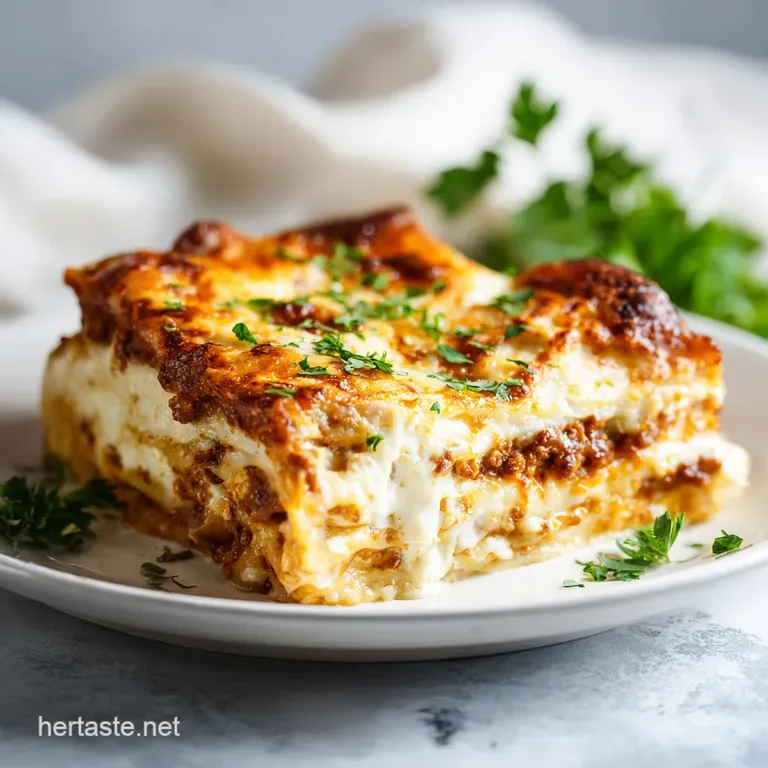
You don't need a professional kitchen, but a few specific items make this lasagna recipe much easier to handle. A large heavy bottomed skillet or a Dutch oven is non negotiable for the sauce. You need that heat retention to brown the 2 lbs of beef properly without it just steaming in its own juices.
Chef's Tip: Use a box grater for the carrots and celery. It feels like extra work, but the way those vegetables vanish into the sauce while providing maximum flavor is the ultimate "chef's secret" for a smooth ragù.
A 9x13 inch baking dish is the standard for 12 sheets of lasagna. If you use a dish that is too small, you'll have to overlap the noodles too much, leading to thick, chewy spots. If the dish is too large, your sauce will spread too thin and evaporate, leaving you with dry edges.
I also recommend having a piece of parchment paper to go under the foil. This prevents the mozzarella from sticking to the foil and peeling off when you uncover it a tragedy I've faced more times than I'd like to admit.
Mastering the Layering and Baking Process for Better Results
- Brown the beef. In a large heavy bottomed skillet, cook the 2 lbs lean ground beef over medium high heat until no longer pink and slightly crispy. Note: Draining the fat now ensures the sauce isn't greasy later.
- Sauté the aromatics. Add the diced onion, grated carrots, and celery to the beef. Sauté 6-8 minutes until the onions are translucent and fragrant.
- Build the base. Stir in the 4 minced garlic cloves, 6 oz tomato paste, oregano, and red pepper flakes. Cook 2 minutes until the paste smells toasted and turns dark red.
- Deglaze the pan. Pour in the 0.5 cup dry red wine. Simmer until the liquid has mostly evaporated while scraping the bottom of the pan.
- Simmer the ragù. Add the 28 oz crushed tomatoes. Reduce heat to low and simmer 30-45 minutes until the sauce is thick and does not run.
- Prep the ricotta. In a bowl, mix the 15 oz ricotta, egg, 0.5 cup Parmigiano, parsley, and 1 cup chopped spinach until the mixture is uniform and pale green.
- Start layering. Preheat oven to 375°F (190°C). Spread 1 cup of meat sauce in a 9x13 dish. Lay 3-4 lasagna sheets on top, slightly overlapping.
- Build the middle. Spread 1/3 of the ricotta mixture, then a layer of meat sauce, then 1 cup of mozzarella. Repeat this two more times.
- Finalize the top. Finish with the remaining meat sauce and a heavy layer of mozzarella and Parmesan until the pasta is completely covered.
- Bake and rest. Cover with foil and bake 25 minutes. Remove foil and bake 20-25 minutes until the cheese is bubbling and golden brown. Let rest 15 minutes before slicing.
Fixing Soggy Layers and Other Common Baking Mistakes
The most frequent complaint with any lasagna recipe is the "watery" bottom. This usually happens because of three things: the ricotta wasn't drained, the sauce was too thin, or you used "fresh" mozzarella which has a very high water content.
To fix a watery lasagna after it's baked, your best bet is to let it sit uncovered for an extra 10 minutes in the turned off oven to allow some steam to escape.
Why Your Lasagna Slumps
If your lasagna falls over when you plate it, the issue is structural. You likely didn't use an egg in your ricotta, or you didn't let it rest long enough. The "set" time is when the cheese firms up. If you cut into it while it's piping hot, it will act like a liquid.
The Top Cheese Layer is Tough
If your cheese is more like a piece of plastic than a gooey delight, you likely overbaked it without foil or used pre shredded cheese that has too much anti clumping starch. Pre shredded cheese is fine in a pinch, but grating your own mozzarella results in a much better melt.
| Problem | Root Cause | Solution |
|---|---|---|
| Watery Sauce | Tomatoes not reduced enough | Simmer the sauce for an extra 15 minutes until jammy. |
| Hard Noodle Edges | Noodle corners weren't covered | Ensure every inch of the pasta is tucked under sauce or cheese. |
| Separating Layers | Too much sauce between pasta | Use a thinner, more even layer of sauce to act as "glue." |
Checklist for a Flawless Bake:
- ✓ Strain your ricotta for at least 20 minutes to remove excess whey.
- ✓ Pat the spinach dry after washing to avoid adding moisture to the cheese.
- ✓ Don't skip the tomato paste; it’s the primary thickening agent for the ragù.
- ✓ Use low moisture mozzarella, not the balls packed in water.
- ✓ Allow the dish to rest for the full 15 minutes it’s the hardest but most important step.
Adapting the Classic Ingredients for Different Dietary Needs
You don't have to stick strictly to the traditional path if you have specific needs. For example, if you want a lighter version, you can swap the beef for ground turkey, though you may want to add a teaspoon of Worcestershire sauce to keep that deep "meaty" flavor. For those looking for a very different texture, you could try this Italian Lasagna with Ricotta which emphasizes the creamy cheese layers even more.
Quick Lasagna Recipe for Dinner (Time Saver)
If you are in a rush, use "oven ready" or no boil noodles. If you do this, you must increase the amount of crushed tomatoes by about half a cup. The noodles need that extra liquid to hydrate since they aren't being pre cooked in the oven's steam as effectively.
Best Lasagna Recipe with Bechamel (The Gourmet Twist)
In Northern Italy, lasagna often uses a white bechamel sauce instead of ricotta. To do this, melt 4 tbsp butter, whisk in 4 tbsp flour, and slowly add 2 cups of milk until thick. Layer this in place of the ricotta mixture for a much silkier, more decadent mouthfeel. It is less "stiff" than ricotta but incredibly rich.
Managing Your Leftovers and Meal Prep Planning Effectively
Lasagna is arguably better the second day. As it sits in the fridge, the flavors of the oregano, garlic, and wine continue to meld, and the pasta absorbs every last drop of seasoning from the sauce. It becomes a dense, flavor packed brick of comfort.
Storage: Keep leftovers in an airtight container in the fridge for up to 4 days. When reheating, add a tiny splash of water to the plate and cover it to create steam, which prevents the noodles from becoming rubbery in the microwave.
Freezing: This is the ultimate freezer meal. You can freeze the entire lasagna (unbaked) for up to 3 months. Just make sure it is wrapped tightly in plastic wrap and then foil to prevent freezer burn.
Bake it directly from frozen, but you'll need to add about 30-40 minutes to the covered baking time.
Zero Waste: Don't throw away those celery leaves or the ends of the carrots! Toss them into a freezer bag to make homemade vegetable stock later. Even the Parmigiano Reggiano rind can be dropped into your next batch of sauce to add a massive hit of salty, nutty depth.
Choosing the Best Side Dishes for a Complete Meal
Because this lasagna recipe is so rich and heavy on the protein and carbs, you really want something bright and acidic to serve alongside it. A classic Caesar salad with a lot of lemon juice or a simple arugula salad with a balsamic vinaigrette works perfectly to reset your palate between bites.
I also love serving this with roasted broccoli or sautéed green beans. The char on the vegetables provides a nice contrast to the soft, cheesy layers of the pasta. If you're feeling ambitious, a crusty loaf of garlic bread is the traditional choice, perfect for swiping up any extra meat sauce left on your plate.
Just remember that the lasagna is the star keep the sides simple so they don't compete for attention.
One mistake I once made was serving this with a very creamy side dish, and it was just too much dairy for one meal. Stick to greens and acids. A sharp, vinaigrette based slaw or even some pickled peppers can provide that "zing" that makes the next bite of cheesy lasagna taste even better.
Trust me, your guests will appreciate the balance.

Recipe FAQs
What is the secret to the best lasagna?
The secret is moisture control and proper reduction. You must simmer the meat sauce until it is thick and velvety, and strain your ricotta to prevent a watery final dish.
Can a diabetic eat lasagne?
Consult with your healthcare provider for specific dietary advice. While this recipe uses lean 90/10 beef and fresh spinach, it remains a pasta based dish containing carbohydrates.
What are the ingredients in lasagna?
This recipe features lean ground beef, onion, carrots, celery, garlic, crushed tomatoes, tomato paste, red wine, oregano, and red pepper flakes. The filling uses part skim ricotta, an egg, Parmesan, parsley, and spinach, layered with pasta sheets and mozzarella.
What is the proper order to layer lasagna?
Start by spreading one cup of meat sauce on the bottom of a 9x13 inch dish to prevent sticking. Add layers of noodles, the ricotta mixture, more meat sauce, and mozzarella, repeating until you finish with a final topping of mozzarella and Parmesan.
How to ensure the lasagna holds its shape when sliced?
Let the dish rest for exactly 15 minutes after removing it from the oven. This resting period allows the cheese and sauce to set, ensuring your layers stay intact. If you enjoyed the reduction logic used here to achieve this structure, see how we apply similar techniques in our restaurant quality meat sauce.
How to avoid a watery lasagna?
Drain any excess rendered fat from the browned beef and thoroughly strain the ricotta cheese. These two simple steps remove unnecessary liquid that otherwise seeps out during the 45-minute total bake time.
Is it true that I should cook the lasagna noodles before layering?
No, this is a common misconception. You can use standard lasagna sheets directly in the assembly; they will absorb the moisture from the sauce while baking at 375°F, resulting in a perfect texture.
Classic Homemade Lasagna
Ingredients:
Instructions:
Nutrition Facts:
| Calories | 422 calories |
|---|---|
| Protein | 33.8 g |
| Fat | 15.2 g |
| Carbs | 34.6 g |
| Fiber | 3.8 g |
| Sugar | 6.2 g |
| Sodium | 745 mg |
