Sticky Sweet Perfection Classic Candied Yams with Brown Sugar Spice
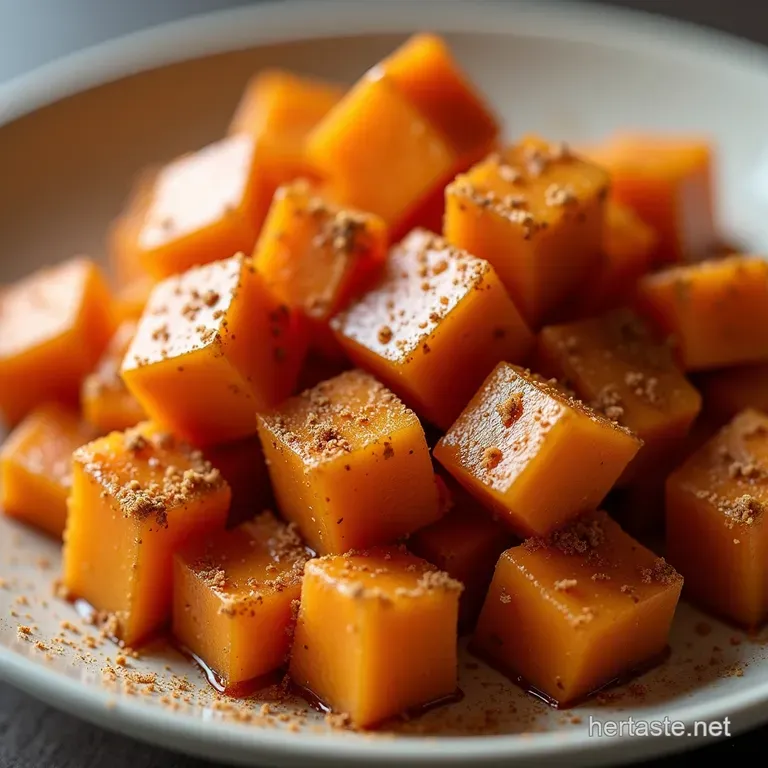
- Unlocking That Signature Holiday Comfort: Why This Glaze Wins
- Decoding the 'Yam' Debate: What You're Actually Cooking
- Assembling Your Core Components for Truly Luscious Candied Yams
- The Spice Cabinet Secrets That Elevate the Flavor Profile
- The Critical First Step: Preparing the Yams for Glazing
- Mastering the Syrup: Achieving That Perfect Caramel Consistency
- The Final Transformation: Baking for Maximum Stickiness
- Troubleshooting Common Glazing Issues and Fixes
- Creative Twists and International Inspirations Beyond the Classic
- Recipe FAQs
- 📝 Recipe Card
Unlocking That Signature Holiday Comfort: Why This Glaze Wins
There are certain dishes that simply transport you back to moments of warmth, family gatherings, and the unmistakable aroma of a festive kitchen. For many, that dish is perfectly prepared Candied Yams .
It’s a side dish that walks the delightful tightrope between vegetable and dessert, achieving a sweet, sticky, and utterly irresistible coating that begs for a second helping.
This particular approach to the Easy Candied Yams Recipe focuses on building deep, layered flavour rather than relying solely on overwhelming sweetness. We aim for that signature glossy sheen the hallmark of the Best Candied Yams —achieved through careful reduction and the use of dark, molasses rich sugars.
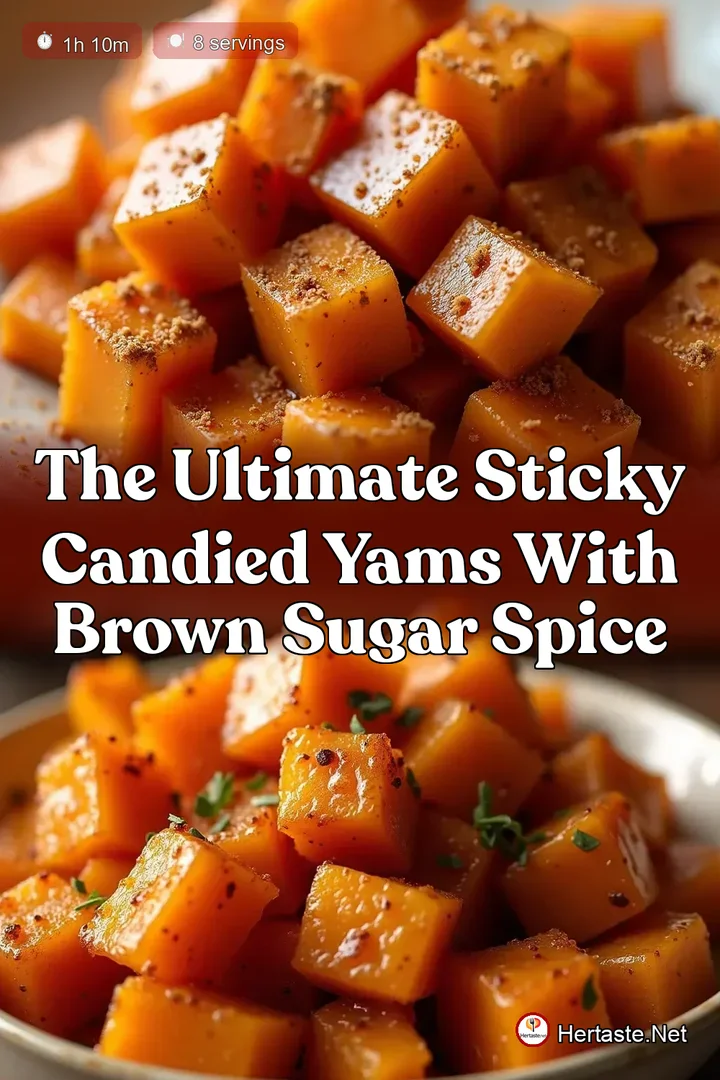
Forget the watery, pale versions you might have encountered; we are creating Sticky Sweet Perfection: Classic Candied Yams with Brown Sugar & Spice . This recipe uses rich dark brown sugar, a hint of maple, and a careful blend of autumnal spices to create a mahogany glaze that clings beautifully to every piece.
With a prep time of just 15 minutes and about an hour of gentle cooking, you will soon master the art of these Homemade Candied Yams .
Decoding the 'Yam' Debate: What You're Actually Cooking
Before we dive into the methods, let’s address the common nomenclature confusion surrounding this celebrated side. In many North American grocery stores, the vibrant orange root vegetable we typically use for this dish is actually a sweet potato . True yams are starchier, drier, and less sweet.
However, because these orange tubers were labelled as "yams" decades ago to differentiate them from paler sweet potato varieties, the name stuck. For the purpose of making Classic Candied Yams , we are happily using sweet potatoes, aiming for a texture that is tender and yielding.
Setting the Stage for Melt-In-Your Mouth Sweet Potatoes
The foundation of any great glazed dish lies in the primary ingredient’s initial preparation. To ensure our final product delivers that sought after melt-in-your mouth quality, we must treat the sweet potatoes gently first.
The goal is not to cook them completely through before glazing, but rather to soften them just enough so they absorb the upcoming flavour explosion. We achieve this by peeling approximately 3 lbs (about 1.4 kg) of these root vegetables and chopping them into uniform, manageable 1 inch chunks.
This consistency is vital; it guarantees that every piece hits that perfect tender but-not-mushy stage simultaneously during the initial boil.
A Nod to Southern Traditions Without Over Sugaring
The soul of Candied Yams is deeply rooted in Southern cooking traditions, where richness and indulgence are celebrated. While classic preparations can sometimes lean heavily on sugar, our method balances this indulgence beautifully.
We incorporate dark brown sugar, which carries inherent notes of molasses, pairing it with maple syrup. This combination provides a complexity that surpasses simple granulated sugar, lending an earthier, richer foundation to the glaze.
We are aiming for depth, ensuring the sweet potato’s natural earthiness still shines through the beautiful coating.
Why This Recipe Delivers Superior Gloss and Texture
The secret to achieving that highly desirable, thick, syrupy texture the kind that drips delightfully off the fork lies in the final reduction stage. By parboiling the vegetables first, we ensure they are soft internally.
Then, when we introduce them to the simmering syrup made of butter, sugar, and spices, the starch released during the initial boil actually helps the glaze adhere and thicken beautifully.
This careful control prevents a thin, runny coating, delivering instead the Sticky Candied Yams texture everyone craves.
Assembling Your Core Components for Truly Luscious Candied Yams
Creating a successful batch of these requires bringing together the right foundational ingredients. The base of the glaze starts with a full half cup (or one standard stick) of high-quality unsalted butter. This fat is essential for carrying the flavour and contributing to the final shine.
We pair this with one cup of firmly packed dark brown sugar don't skimp on packing it down, as this maximizes that deep molasses flavour. To thin and add a contrasting note to the richness, we incorporate a quarter cup of fresh maple syrup. This trio forms the backbone of what will become our gorgeous coating.
The Spice Cabinet Secrets That Elevate the Flavor Profile
While the sweet and buttery glaze is compelling, the addition of warm spices truly transforms this side dish from merely sweet to profoundly aromatic. This is where we move beyond a simple sugar bath. We introduce a full teaspoon of ground cinnamon, which provides warmth, followed by a half teaspoon of ground nutmeg.
If you have the option, using freshly grated nutmeg offers an incredible aromatic lift. Finally, a quarter teaspoon of allspice pulls all the other notes together, echoing the very essence of autumnal baking.
A tiny pinch of sea salt is added to the glaze mixture not to make it savoury, but rather to act as a flavour enhancer, making the sweetness pop.
Selecting the Best Root Vegetables: Choosing Firm & Fresh
When sourcing your sweet potatoes (or "yams"), look for roots that feel firm to the touch, without significant soft spots or blemishes. They should be relatively uniform in shape, which aids in even chopping and ensures every piece cooks at the same rate.
Avoid any that have started to sprout "eyes" or look wrinkled, as these will have lost moisture and structure.
Mandatory Tools: Beyond the Basics for Perfect Coating
While this Candied Yams Recipe is straightforward, a few tools make the process cleaner and more effective. A sharp vegetable peeler is non-negotiable for efficiently removing the skin.
For the initial cooking, a large saucepan or a Dutch oven works best, as it holds the vegetables and liquid comfortably. Most critically, once the glaze is built, you’ll want a wide, flat bottomed vessel perhaps a sturdy baking dish if you choose the oven route, or the Dutch oven itself that allows the yams to sit in a single or double layer rather than being piled high, ensuring every piece gets maximum contact with the thickening syrup.
Measuring Matters: Precision for That Non-Sticky Syrup
Although this falls under the category of Easy Candied Yams Recipe , precise measurement is key when dealing with sugar reductions. Too much liquid will result in a sauce that never truly clings, forcing you into a much longer simmering time.
Too little liquid, especially if your brown sugar was heavily packed, can cause the sugar to crystallize or burn before the vegetables are tender. Stick closely to the ratio of butter, brown sugar, and liquid specified; this balance is what delivers that perfect, clinging glaze without becoming unmanageable or overly tacky.
Related Recipes Worth Trying
- Autumn Apple Feta Spinach Salad Candied Pecan Perfection — Looking for the perfect autumn salad My Apple Feta Spinach Salad with Candied Pecans is quick easy bursting with flavor A sweet and savory delight Try it now
- MapleGlazed Yams Sweet Potatoes Thanksgiving Perfection — Elevate your yams and sweet potatoes with a luscious maple glaze and pecan crumble This easy candied sweet potato recipe is Thanksgiving on a plate Get the...
- Deliciously Easy: How to Make Yams with Maple Glaze — Craving to learn how to make yams? Try my scrumptious roasted yams with a luscious maple glaze a must for any family gathering or weeknight meal!
The Critical First Step: Preparing the Yams for Glazing
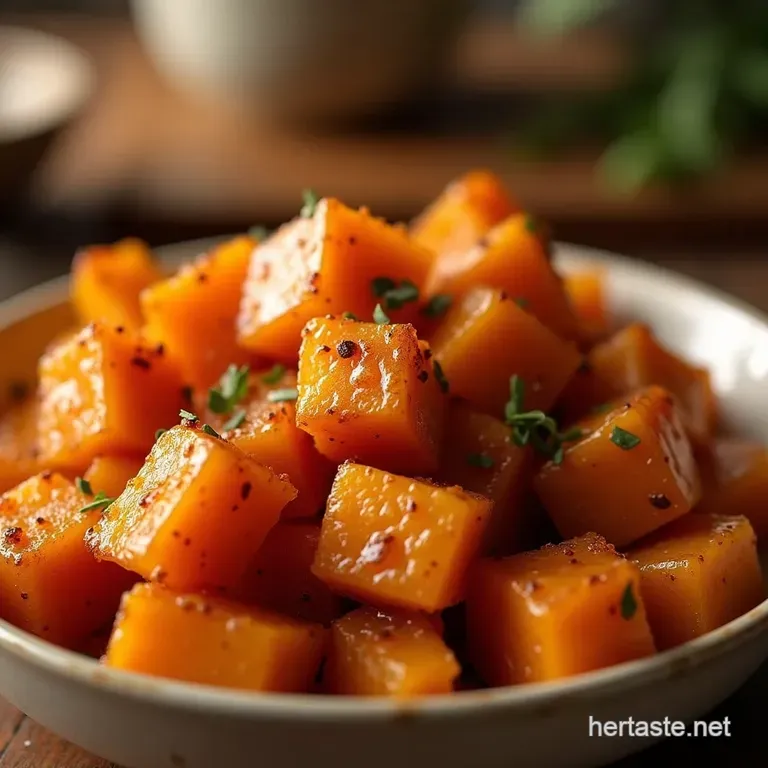
As outlined, our initial step moves away from the glaze and focuses solely on tenderizing the vegetable. We place the uniform 1 inch sweet potato pieces into our large pot and cover them with about 4 cups of water, adding a half teaspoon of kosher salt.
Bringing this to a rolling boil over high heat, we immediately drop the heat down to a steady simmer, covering the pot. This process should last between 15 and 20 minutes. The key here is testing frequently; they should yield easily to a fork but still maintain their structural integrity.
If they are too soft now, they will disintegrate during the final glazing stage. Once suitably tender, drain the liquid, reserving a half cup just in case the final glaze needs a little loosening boost.
Mastering the Syrup: Achieving That Perfect Caramel Consistency
With the yams set aside, we pivot to constructing the glaze in the now-empty pot over medium heat. We start by melting the cubed unsalted butter, then vigorously stirring in the dark brown sugar and maple syrup until the mixture is completely smooth and the sugar has fully dissolved this takes about three minutes of constant stirring.
Once smooth, we introduce our liquids and spices: the orange juice, cinnamon, nutmeg, and allspice. Whisk gently until incorporated, allowing the mixture to reach a slow, gentle bubble. This is the magic moment where the flavour compounds meld before the final thickening.
The Final Transformation: Baking for Maximum Stickiness
Now it's time to bring the softened vegetables back into the flavour bath. Gently fold the pre-cooked yam chunks into the simmering glaze. You must be delicate here; we want them coated, not broken apart. Once coated, we reduce the heat significantly to low.
This next stage, which involves simmering uncovered for 15 to 20 minutes, is where the real transformation happens.
Gentle Parboiling: Ensuring Tenderness, Not Mushiness
As mentioned earlier, the initial parboiling is non-negotiable for texture. If you skip this and try to cook the raw sweet potatoes entirely within the glaze, the sugar will scorch long before the dense root vegetable has softened, resulting in a burnt, gritty coating rather than tender mouthfuls.
Building the Flavor Base: Melting Butter and Brown Sugar
The rich foundation of butter and dark brown sugar is crucial. Use a sturdy whisk to ensure every grain of sugar is dissolved into the melted butter before adding the liquids.
Undissolved sugar granules can easily revert to hard candy, leading to a gritty mouthfeel instead of the smooth, Sticky Candied Yams finish we desire.
Low and Slow: How Long to Let the Candied Yams Set
The final 15 to 20 minutes on low heat are essential for developing the classic cling. As the water evaporates, the sugars concentrate, and the glaze thickens significantly.
If you notice the glaze reducing too quickly and threatening to stick to the bottom of the pot, this is the time to stir in a tablespoon or two of that reserved cooking water. Continue stirring carefully until the syrup visibly coats the back of a spoon and adheres thickly to the yams.
Remove from heat and allow them to rest for five minutes; this brief cooling period allows the glaze to set slightly before serving.
Troubleshooting Common Glazing Issues and Fixes
Occasionally, even with careful adherence, things can go slightly awry. If your glaze separates (looks oily or grainy), it likely got too hot. Immediately remove the pot from the heat, add a splash of hot water, and whisk vigorously off the heat until it emulsifies back into a creamy sauce.
If, conversely, your glaze is too thin after the full 20 minutes, simply increase the heat slightly and let it bubble gently for another five minutes, stirring constantly.
If you find yourself wanting the texture of Candied Yams with Marshmallows , skip the stove top simmering entirely and proceed directly to the oven finish described in the variations section below.
Creative Twists and International Inspirations Beyond the Classic
While this recipe delivers the authentic experience, creativity is always welcome in the kitchen! For those who love a crunchy counterpoint, toasting pecans and folding them in during the last few minutes of simmering provides a delightful textural contrast to the soft roots.
If you prefer a deeper, more complex sweetness, consider substituting some of the maple syrup with a dark rum or bourbon for an unexpected, boozy warmth in your glaze.
Storage Solutions: Keeping Your Glazed Goodies Fresh
Leftovers of these delectable Candied Yams store beautifully. Once completely cooled, transfer them to an airtight container. They will keep well in the refrigerator for up to four days.
To reheat, a brief period in a 350° F ( 175° C) oven, stirring halfway through, works better than the microwave, as it helps reactivate the glaze and prevent them from turning too soft.
Nutritional Snapshot: Balancing Sweetness with Wellness
While undeniably a treat, remember that sweet potatoes themselves are nutritional powerhouses, packed with Vitamin A and fibre. By moderating the amount of butter and relying on natural sweetness enhancers like maple, we achieve a delicious side dish that still contributes valuable nutrients to your meal.
Always enjoy this comforting side dish in moderation as part of a balanced feast!
Incorporating Maple or Honey for a Deeper Flavor Layer
If you find yourself occasionally leaning towards a slightly different profile, experimenting with honey instead of maple syrup is a fantastic variation. Honey offers a distinct floral note that plays beautifully against the warm spices like nutmeg and cinnamon.
When using honey, reduce the cooking time slightly, as honey tends to brown faster than maple syrup. This opens up a whole new dimension for your Candied Yams experience.
Recipe FAQs
I bought sweet potatoes, but the recipe calls for yams are they the same thing? Will this affect my Candied Yams?
That's a cracking question that trips up everyone at the supermarket! In the US, the bright orange vegetables we call "yams" are usually sweet potatoes; true yams are drier and starchier, more like a potato.
For this recipe, using the orange fleshed sweet potatoes you bought is absolutely correct and will yield the classic, moist, sugary result we’re aiming for.
My glaze looks too thin after simmering; how do I get that proper sticky texture?
Don't fret, it happens when the moisture content of your yams varies! If the glaze isn't clinging nicely, keep it simmering gently, uncovered, for another 5 to 10 minutes; this allows the water to evaporate and the sugar to concentrate.
Alternatively, you can stir in a tiny knob of cold butter right at the end this emulsifies slightly and thickens the sauce beautifully, making it glossy enough to rival a ballroom floor.
Can I make these Candied Yams ahead of time for a big dinner party?
Absolutely, making things ahead is a grand idea when hosting! You can prepare the yams entirely, right up to the glazing stage, and refrigerate them for up to two days. When you're ready to serve, gently reheat the yams, make the glaze separately, toss them together, and finish the simmering stage just before serving to ensure they are piping hot and perfectly coated.
My yams turned out a bit mushy after the initial boil. Is there a way to fix them, or is the dish ruined?
A bit over boiled is a minor catastrophe, but not the end of the world! The initial boil is where most texture is lost. If they are already soft, fold them into the glaze very gently and skip the final long simmer; just heat through long enough to coat them.
They won't hold their shape perfectly, but they will still taste delicious, perhaps just serve them slightly more "saucy" than "glazed."
I want them less sweet what can I substitute for some of that brown sugar?
If you prefer a more subtle sweetness that lets the spices shine, you can certainly dial it back. Try reducing the brown sugar by up to a quarter cup and replace that volume with an extra splash of orange juice or even a teaspoon of apple cider vinegar for a nice tang.
This will balance the sweetness beautifully without sacrificing the richness of the glaze.
Classic Glazed Candied Yams
Ingredients:
Instructions:
Nutrition Facts:
| Calories | 1040 kcal |
|---|---|
| Protein | 4.6 g |
| Fat | 22.9 g |
| Carbs | 63.9 g |
| Fiber | 13.2 g |
| Sodium | 202 mg |
