The Vicars Favourite Truly Classic Carrot Cake with Silky Cream Cheese Frosting
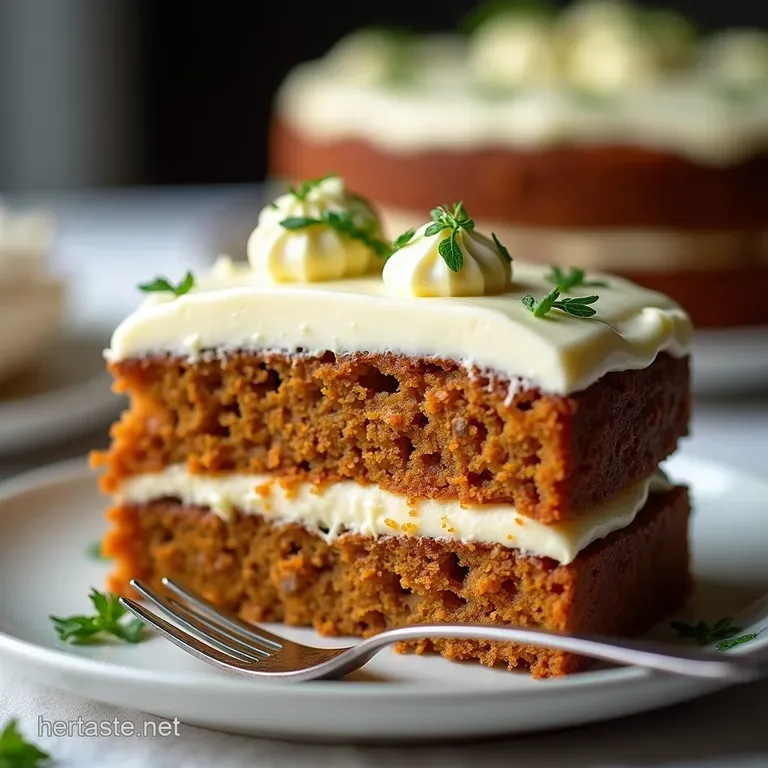
- Unveiling the Soul of Comfort Baking: Our Signature Spiced Loaf
- Why This Recipe Redefines 'Classic Carrot Cake with Creamy Frosting'
- Curating the Core Components for Unforgettable Flavor
- The Sequential Method: Crafting the Moist Cake Batter
- Baking Dynamics: Oven Precision for a Golden Bake
- The Finale: Whipping Up the Perfect Cream Cheese Finish
- Troubleshooting Common Baking Hurdles
- Elevating Your Creation: Optional Additions and Flavor Twists
- Recipe FAQs
- 📝 Recipe Card
Unveiling the Soul of Comfort Baking: Our Signature Spiced Loaf
There are few baked goods that carry the immediate warmth and nostalgic pull of a truly exceptional carrot cake. Forget the thin, overly sweet imitations; we are diving deep into what makes this dessert a cornerstone of comfort baking.
The aim here is to create a sturdy, flavour packed loaf or in our case, layer cake that is deeply satisfying, richly spiced, and perfectly complemented by a luxurious, tangy topping.
This recipe, which we affectionately call "The Vicar’s Favourite," delivers that quintessential experience: a Moist Carrot Cake Recipe that manages to be both substantial and incredibly tender.
Why This Recipe Redefines 'Classic Carrot Cake with Creamy Frosting'
Many home bakers struggle to achieve the perfect texture in carrot cake; it often ends up too dense, too greasy, or tragically dry. Our approach focuses on precision in ingredient ratios, particularly ensuring the proper balance between the liquid oil content and the absorbent dry materials.
This careful calibration is what allows us to confidently deliver what many consider the World's Best Carrot Cake with Cream Cheese Frosting . It stands up beautifully to slicing and stacking, yet melts wonderfully in the mouth.
The Secret to Achieving that Perfect, Non-Soggy Crumb
The key to banishing sogginess lies in two main steps: the grating method and the oil choice. We mandate the use of oil over butter for this specific cake because oil remains liquid at room temperature, coating the flour proteins and inhibiting gluten development, which results in supreme tenderness.
However, to prevent the cake from feeling heavy, we insist on grating the carrots extremely finely. When the shreds are fine, they integrate completely into the crumb structure, lending incredible moisture without weighing down the structure.
This method is crucial for developing a truly Creamy Carrot Cake Recipe .
A Deep Dive into the Essential Warm Spice Blend
A carrot cake is only as good as its spice profile. We don't just rely on cinnamon; we build complexity. Our essential blend combines Ground Cinnamon (2 teaspoons) for the primary warm note, balanced by Ground Nutmeg (½ teaspoon) for its sharp, woody aroma, and Ground Ginger (½ teaspoon) for a subtle, peppery bite.
We also incorporate both granulated and light brown sugar. The molasses content in the brown sugar not only aids in moisture retention but deepens the caramel notes that pair so beautifully with the spices, creating the flavour bedrock for a Classic Carrot Cake with Cream Cheese Frosting .
Setting the Stage: Necessary Equipment for Success
While the mixing process itself is relatively straightforward, the right tools ensure success. You will need two 8 inch round cake pans lined with parchment paper to guarantee easy release.
For the cake batter, standard mixing bowls suffice, but for the crowning glory the frosting a stand mixer or a powerful electric hand mixer is highly recommended. Achieving that airy, non-lumpy texture for the Traditional Frosting for Carrot Cake is nearly impossible by hand whisking due to the density of the full fat cream cheese and butter required.
Curating the Core Components for Unforgettable Flavor
Building this cake requires attention to detail in gathering your components before you even turn on the oven. We are aiming for a high moisture cake (3 cups of finely grated carrots!) balanced by a rich, stable topping.
This careful consideration ensures the final product is recognized as the quintessential Classic Carrot Cake Recipe with Cream Cheese Frosting .
Must Have Produce: Sourcing and Preparing Your Carrots
For a cake yielding about 12 generous slices, you need approximately 3 cups of grated carrots. Source fresh, firm carrots. The preparation step is non-negotiable: use the fine side of a box grater.
Do not use pre-shredded carrots from a bag; they lack the internal moisture needed for this recipe and often contain preservatives that can interfere with the bake. The goal is to create fine, almost feathery strands that will dissolve slightly into the batter during baking.
The Dry Architecture: Flour, Leaveners, and Nut Inclusion Ratios
In a large bowl, we combine the structural elements. The base is 2 ¼ cups of All-Purpose Flour , carefully spooned and leveled to avoid packing it in, which leads to density.
We use 2 teaspoons of Baking Soda as our primary leavener, which reacts perfectly with the slight acidity introduced by the sugars. For textural interest, we include 1 cup of chopped walnuts or pecans .
If you choose to toast these nuts lightly before folding them in, you unlock a deeper, nuttier flavour that elevates the entire experience.
Softening the Stars: Butter and Egg Temperature Protocols
Temperature control is paramount, especially when aiming for a Classic Carrot Cake with Fluffy Cream Cheese Frosting . For the cake batter, the 4 large eggs must be brought fully to room temperature.
Cold eggs cause the oil and wet ingredients to seize slightly during mixing, leading to a less uniform emulsion. While this recipe relies on oil, the eggs still need to be relaxed to blend seamlessly with the 1 cup of vegetable oil .
Building the Ultimate Fluffy Topping: Ingredient Specifications
The topping is where we achieve perfection. We use a full 16 ounces (two blocks) of full fat cream cheese and 1 cup (two sticks) of unsalted butter .
The critical instruction here is that both must be truly softened yielding easily to gentle pressure but not greasy or melty. Using anything less than full fat cream cheese results in a frosting that is too soft and prone to weeping, failing to deliver the sturdy yet luscious texture required for a proper Creamy Frosting for Carrot Cake .
The Sequential Method: Crafting the Moist Cake Batter
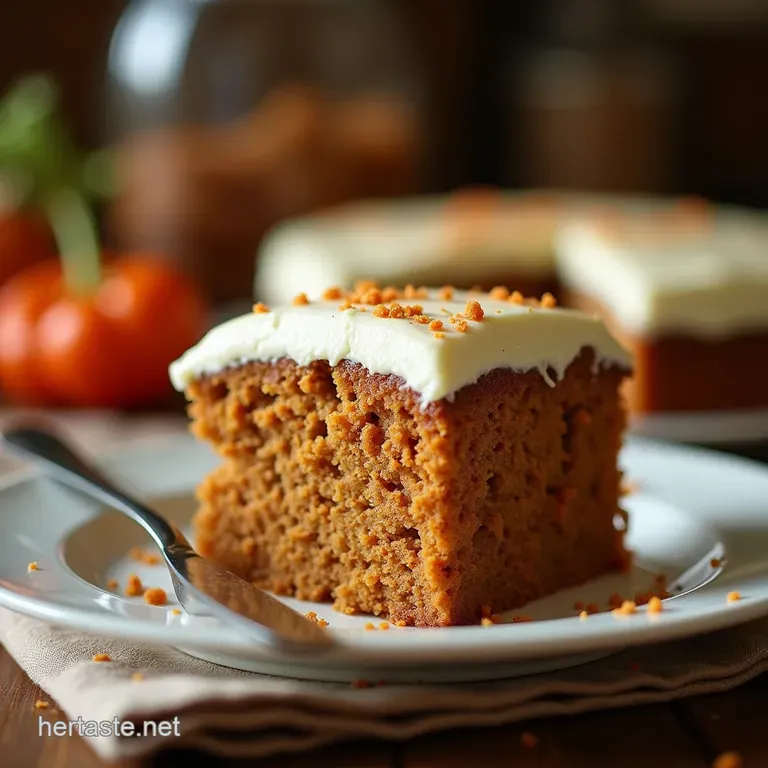
With all components prepped, the mixing process is designed for efficiency and tenderness. First, whisk all your dry components flour, sugars, leaveners, and spices thoroughly in your largest mixing bowl. This step ensures the baking soda is evenly distributed, preventing pockets of rise failure.
In a separate vessel, gently whisk the eggs, oil, and vanilla until just emulsified.
Related Recipes Worth Trying
- The Ultimate Moist Carrot Sheet Cake with Cream Cheese Frosting — Forget layered cakes This easy Carrot Sheet Cake Recipe bakes up perfectly moist spiced and ready for a tangy cream cheese frosting swirl Simple comfort baking
- The Best Moist Carrot Cake with Cream Cheese Frosting — Tired of dry bakes This Homemade Carrot Cake recipe guarantees a wonderfully moist crumb perfectly spiced and topped with our silky tangy cream cheese...
- Easy Chicken and Dumplings with Biscuits Weeknight Comfort — Make Homemade Chicken And Dumplings Easy tonight This recipe uses simple biscuit dough to create light fluffy clouds atop creamy stew Ready in under an hour
Baking Dynamics: Oven Precision for a Golden Bake
The incorporation of the wet into the dry should be brief; mix only until no streaks of dry flour remain. Overmixing develops gluten, which is the enemy of a tender cake. Immediately fold in the grated carrots and nuts by hand with a spatula. Divide the batter evenly between your prepared 8 inch pans.
Bake at 350° F ( 175° C) for 30 to 35 minutes. Test for doneness by inserting a wooden skewer; it should emerge clean or with only a few moist crumbs attached, not wet batter.
Allow the cakes to cool in their pans for a crucial 15 minutes before inverting them onto a wire rack to cool completely. Frosting a warm cake is a guaranteed disaster.
The Finale: Whipping Up the Perfect Cream Cheese Finish
The cream cheese frosting must be made only after the layers are entirely cool. This is the secret to maintaining a beautiful, stable finish on your Classic Carrot Cake with Creamy Frosting .
Stage One: Integrating Wet Elements and Aromatic Infusion
In your mixer bowl, beat the softened butter and softened cream cheese together. This step requires patience; you must beat them until they are visibly lightened in colour and texture about three full minutes to eliminate any lumps that could otherwise plague your final product.
This smooth base is key to an appealing Carrot Cake with Orange Cream Cheese Frosting Recipe (if you choose to add zest later).
Folding Technique Mastery: Combining Wet and Dry Mixtures Gently
Once the fats are creamy, reduce the mixer speed to low and gradually add the sifted powdered sugar, one cup at a time. Sifting prevents lumps from entering the mix. Once all the sugar is incorporated, increase the speed to medium high and beat for another minute or two until the mixture is light and voluminous.
Finally, beat in the vanilla and, if desired, the teaspoon of fresh lemon juice for that signature tang.
Transferring to Pans and Pre-Bake Preparation Checklist
Ensure both cake layers are flat. If they have domed slightly, use a long serrated knife to gently level the tops. Place the first layer onto your chosen serving stand or cake plate. Using about one-third of your frosting, spread a smooth, even layer across the top. Carefully place the second layer on top.
Achieving Icing Nirvana: Temperature Control for Smooth Frosting Application
For the perfect aesthetic, the remaining frosting should be applied first as a thin "crumb coat." This initial layer traps any stray crumbs. Chill the cake in the refrigerator for 15– 20 minutes until this coat is firm to the touch.
Then, apply the final, thick layer of frosting, working quickly to achieve your desired texture, ensuring a stunning result reminiscent of the Classic Carrot Cake with Fluffy Cream Cheese Frosting .
Layering and Leveling: Constructing Your Finished Classic Carrot Cake with Creamy Frosting
For a picture perfect finish, use an offset spatula to gently smooth the top and sides. You can create soft swirls or opt for a rustic look by dragging the spatula lightly around the perimeter.
We suggest garnishing simply with a few reserved chopped pecans sprinkled around the base or lightly pressed onto the top edge.
Troubleshooting Common Baking Hurdles
If your cake sinks in the middle, it is almost always due to too much liquid (under measuring the flour) or opening the oven door too early, causing a temperature shock. Conversely, if the cake seems dry despite following the oil ratio, it likely baked for too long; test cakes 5 minutes earlier next time.
For the frosting, if it appears thin or soupy, it means the butter or cream cheese was too warm. The solution is simple: chill the entire bowl of frosting in the refrigerator for 20 minutes, then beat again aggressively before trying to frost the cooled cake.
Elevating Your Creation: Optional Additions and Flavor Twists
While we adore the core components of this recipe, experimentation is always encouraged to discover your own perfect version of this beloved dessert.
Expert Advice for Perfect Frosting Consistency Every Time
If your frosting is too stiff after chilling, do not add more liquid! Instead, let the bowl sit at room temperature for 5– 10 minutes, then beat it on low speed for 30 seconds. This simple trick re-aerate the fats without melting them, returning it to a perfectly spreadable consistency.
Optimal Storage Practices to Maintain Freshness for Days
Because of the high moisture content provided by the carrots and the cream cheese topping, this cake stores beautifully. Keep the finished cake, covered loosely with a cake dome or plastic wrap, in the refrigerator for up to five days.
For the best flavour experience, allow a slice to sit on the counter for 30 minutes before serving to take the chill off the frosting.
Flavor Deep Dive: Making the Cake Ahead of Time for Enhanced Spice Penetration
For an even richer taste, bake the cake layers one day ahead and wrap them tightly in plastic wrap once completely cool. Store at room temperature. The overnight rest allows the complex spices to fully permeate the crumb, ensuring that when you frost it the next day, you achieve maximum flavour depth, leading to a superior experience overall.
Next Level Textures: Incorporating Pineapple or Zucchini Safely
To introduce tropical notes, you can safely incorporate crushed pineapple, but you must drain it extremely well. Place the crushed pineapple in a fine mesh sieve and press out as much liquid as physically possible with the back of a spoon before folding it into the batter.
For zucchini, use one cup of finely grated, unpeeled zucchini, but squeeze it dry just as rigorously as the pineapple to avoid compromising the structure of your Moist Carrot Cake Recipe .
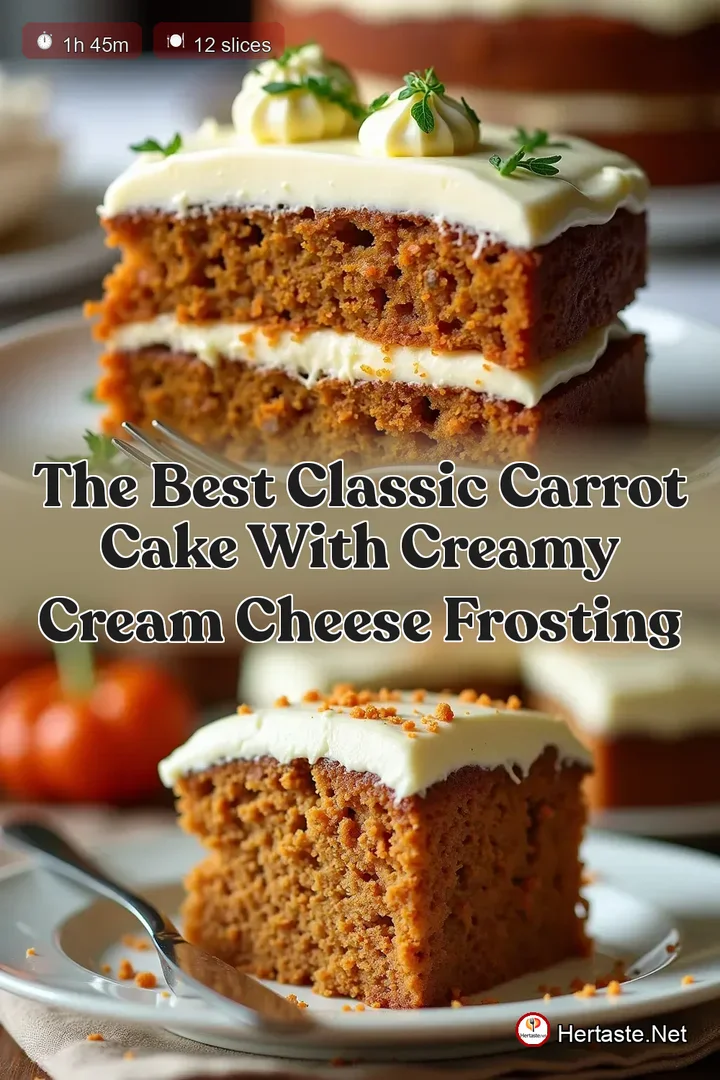
Recipe FAQs
Why is my Classic Carrot Cake with Creamy Frosting a bit dense, even though I grated the carrots finely?
This often happens if you’ve overmixed the batter after adding the flour; remember, we want the texture of a fluffy sponge, not a heavy loaf! Also, ensure your baking soda is fresh and active, as a weak leavener won't give the cake the necessary lift.
If the carrots weren't grated finely enough, they can weigh the batter down too.
My cream cheese frosting is looking a bit runny how do I firm it up without adding loads of extra sugar?
Ah, the eternal struggle against runny frosting! The main culprit is usually that the butter or cream cheese was too warm when mixed. Pop the bowl in the fridge for about 15 minutes to let it firm up slightly, then give it a quick whip again. If it's still too soft, add a tablespoon or two of extra sifted icing sugar.
Can I make this cake ahead of time, or does it need to be eaten fresh out of the oven?
Carrot cake is famously better the next day, as the spices have time to properly meld into that moist crumb! You can bake the layers, wrap them tightly in cling film once fully cooled, and store them at room temperature for up to two days, or freeze them for up to two months.
Frost the cake no more than 24 hours before serving for the best results.
I’m worried about the spices overwhelming the flavour; how can I ensure a balanced taste in my Classic Carrot Cake?
The key is using high-quality, fresh spices and ensuring you use the correct ratio our recipe balances cinnamon with warming nutmeg and ginger. If you're nervous, start by reducing the nutmeg and ginger slightly, but absolutely don't skip the brown sugar or the optional lemon zest in the frosting, as those provide the necessary contrast to the deep spice notes.
Do I really need to use oil instead of butter in the cake batter? Will butter change the texture too much?
Yes, stick to oil for this recipe; it’s non-negotiable for a truly moist carrot cake, much like a proper Victoria Sponge relies on butter for structure. Oil remains liquid at room temperature, which keeps the crumb delightfully tender and prevents that slightly dry, crumbly texture you sometimes get with all-butter cakes.
Butter would make this much denser.
Classic Carrot Cake With Frosting
Ingredients:
Instructions:
Nutrition Facts:
| Calories | 1033 kcal |
|---|---|
| Protein | 5.1 g |
| Fat | 29.6 g |
| Carbs | 50.8 g |
| Fiber | 7.6 g |
| Sodium | 2417 mg |
