Chicken Marinade for Grilling
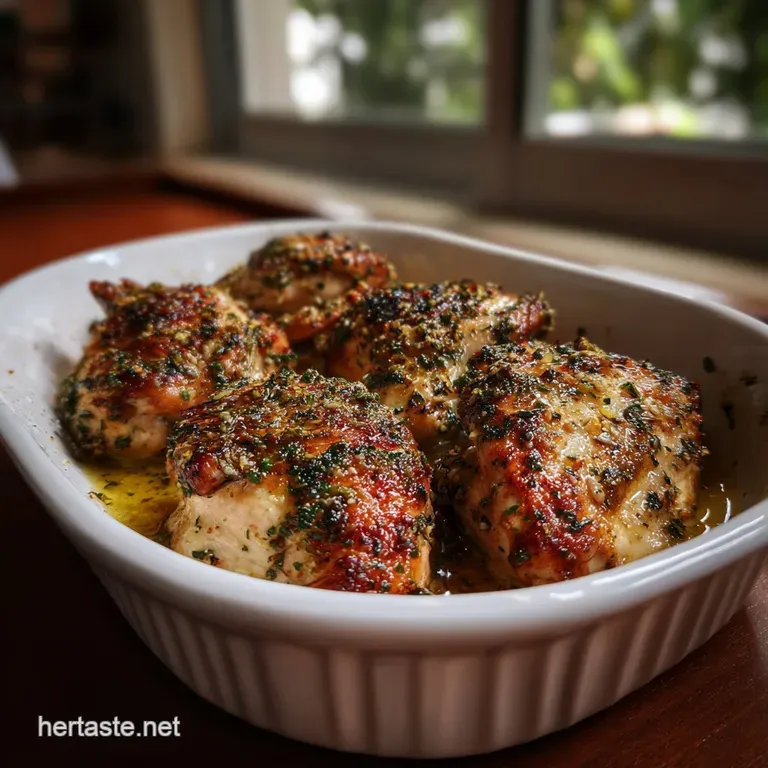
- Time: Active 10 minutes, Passive 15 minutes, Total 25 minutes
- Flavor/Texture Hook: Zesty, charred, and incredibly juicy
- Perfect for: over High heat backyard grilling or urban rooftop dining
- The Only Chicken Marinade For Grilling You Need
- The Science of Why it Works
- Fresh Elements Versus Bottled Shortcut Marinades
- Structural Component Deep Dive
- Selecting Your High Impact Flavor Components
- Essential Urban Griller Tool Kit
- Mastering The Heat From Prep To Plate
- Rapid Solutions For Grilling Glitches
- Decision Shortcut
- Creative Variations To Suit Every Palate
- Preservation Strategies For Leftover Cuts
- Mastering The Art Of Plating
- Debunking Grilling Misconceptions
- Recipe FAQs
- 📝 Recipe Card
The Only Chicken Marinade For Grilling You Need
Picture this: the sun is setting, your grill is screaming hot, and as soon as you lay down the meat, that unmistakable hiss of the sizzle fills the air. The aroma of toasted garlic and charred honey begins to drift through the backyard, making everyone’s mouth water instantly.
We have all been there, staring at a piece of chicken that looks more like a dry sponge than a meal. I spent years messing up my ratios until I realized that a great marinade isn't just about flavor; it is about the chemistry of moisture.
This specific blend is my absolute go to because it balances the zing of fresh lemon with the savory depth of soy sauce. It creates a beautiful crust on the outside while keeping the interior velvety and tender.
Trust me, once you see the way the sugars in the honey caramelize against the heat of the grates, you will never go back to those flavorless bottled versions.
We are going to master the art of over high heat cooking today. Whether you are using a sleek gas grill or traditional charcoal, this recipe ensures your chicken stands out as the star of the plate. It is simple enough for a Tuesday night but sophisticated enough to serve at your next big summer gathering.
The Science of Why it Works
Osmotic Pressure: The salt in the soy sauce breaks down the tightly wound protein fibers, allowing the moisture and aromatics to penetrate deep into the meat.
Maillard Reaction: The combination of honey and amino acids from the poultry creates a rich, brown crust and complex savory flavors when exposed to high heat.
Chef Tip: Use a microplane to turn your garlic into a fine paste. This creates more surface area, allowing the garlic oils to meld into the oil and lemon juice for a more uniform flavor profile.
Quick Decision Done ness Guide
| Thickness | Internal Temp | Rest Time | Visual Cue |
|---|---|---|---|
| 1/2 inch | 165°F (74°C) | 3 minutes | Firm to touch, clear juices |
| 1 inch | 165°F (74°C) | 5 minutes | Center is opaque and white |
| 1.5 inches | 165°F (74°C) | 8 minutes | Slight charring on edges |
Choosing the right cut is essential for the best results. While breasts are leaner, thighs offer a higher fat content which makes them more forgiving over an open flame. If you are looking for more inspiration for quick poultry dishes, my Zesty Lemon Garlic recipe uses a similar bright profile for stovetop cooking.
Fresh Elements Versus Bottled Shortcut Marinades
| Component | Fresh Prep | store-bought Shortcut | Outcome Difference |
|---|---|---|---|
| Acid | Fresh Lemon Juice | Citric Acid/Vinegar | Fresh juice provides a bright, floral lift that bottled acids lack. |
| Sweetener | Raw Honey | Corn Syrup | Honey caramelizes at a lower temp, creating a better crust without being cloying. |
| Aromatics | Fresh Garlic | Garlic Powder | Fresh garlic adds a pungent, spicy bite that stands up to the smoke of the grill. |
Structural Component Deep Dive
| Ingredient | Science Role | Pro Secret |
|---|---|---|
| Extra Virgin Olive Oil | Heat Conductor | Carries fat soluble flavors from the herbs directly into the meat. |
| Fresh Lemon Juice | Denaturant | Breaks down surface proteins for a tender, almost buttery texture. |
| Dijon Mustard | Emulsifier | Binds the oil and juice together so the marinade coats the chicken instead of sliding off. |
Selecting Your High Impact Flavor Components
To get the best results, you need high-quality ingredients. I always suggest using a cold pressed olive oil for the best mouthfeel. If you want to expand your flavor horizons, you can try this Soy Ginger marinade recipe for a more Eastern inspired profile.
- 2 lbs chicken breasts or thighs: Why this? The base protein that absorbs the zesty and savory notes perfectly.
- 0.5 cup extra virgin olive oil: Why this? Provides the necessary fat for conducting heat and moisture.
- 0.25 cup fresh lemon juice: Why this? The primary acid that tenderizes and brightens the entire dish.
- 2 tbsp soy sauce: Why this? Adds umami and essential salt for the osmosis process.
- 1 tbsp honey: Why this? Balances the acid and aids in beautiful surface caramelization.
- 1 tbsp Dijon mustard: Why this? Acts as the "glue" that keeps the marinade emulsified.
- 4 cloves fresh garlic, minced: Why this? Provides the foundational aromatic punch.
- 1 tsp dried oregano: Why this? Adds an earthy, Mediterranean floral note.
- 1 tsp dried basil: Why this? Complements the oregano and lemon for a balanced herb profile.
- 0.5 tsp red pepper flakes: Why this? Adds a subtle, back of-the throat heat.
- 0.5 tsp black pepper: Why this? Essential spice for a well rounded savory finish.
| Original Ingredient | Substitute | Why It Works |
|---|---|---|
| Fresh Lemon Juice | Apple Cider Vinegar | Similar acidity. Note: Adds a fruitier, more fermented tang to the meat. |
| Honey | Maple Syrup | High sugar content. Note: Gives a woodsy sweetness that pairs well with smoke. |
| Soy Sauce | Tamari | Same umami profile. Note: Keeps the recipe gluten-free without losing depth. |
Essential Urban Griller Tool Kit
When you are grilling, especially in an urban setting like a balcony or small patio, your tools matter. You don't need a massive setup, but you do need precision. A solid pair of long handled tongs is non negotiable to keep your hands away from the intense heat.
I also swear by a digital meat thermometer. This is the difference between a dry dinner and a succulent one. If you are serious about your craft, look for an instant read thermometer that gives you a result in under three seconds. This ensures you aren't leaving the grill lid open too long, which causes heat loss.
Finally, keep a clean pastry brush or a dedicated silicone brush nearby. You can use this to apply any leftover marinade (that hasn't touched raw meat!) during the final minutes of cooking to build up a glossy, flavored lacquer on the surface.
Mastering The Heat From Prep To Plate
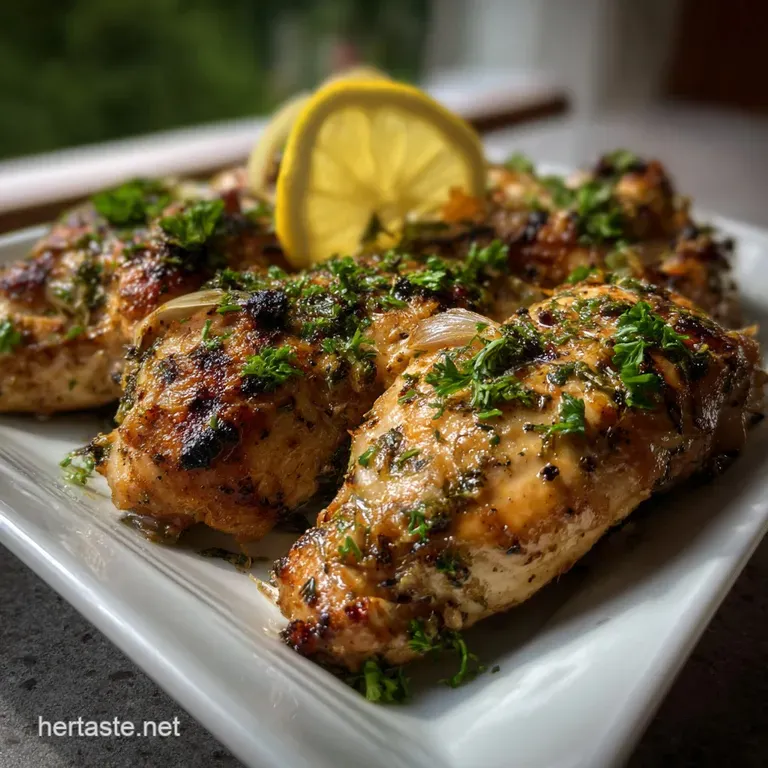
- Whisk the liquids. Combine the 0.5 cup extra virgin olive oil, 0.25 cup lemon juice, 2 tbsp soy sauce, 1 tbsp honey, and 1 tbsp Dijon mustard in a glass bowl. Note: Use a glass bowl to avoid any metallic reactions with the acid.
- Add the aromatics. Stir in the 4 minced garlic cloves, 1 tsp dried oregano, 1 tsp dried basil, 0.5 tsp red pepper flakes, and 0.5 tsp black pepper.
- Prepare the poultry. Pat your 2 lbs of chicken dry with paper towels. Note: Moisture on the surface prevents the oil from sticking properly.
- Combine and coat. Place the chicken in a large resealable bag or shallow dish and pour the mixture over it, ensuring every inch is covered.
- Chill and marinate. Refrigerate for at least 30 minutes, though 2 to 4 hours is the sweet spot for maximum flavor penetration.
- Preheat the grates. Set your grill to medium high heat (about 400°F/200°C) and oil the grates lightly.
- Sear the meat. Place the chicken on the grill and cook for 6 to 8 minutes per side. Cook until the meat releases easily from the grates without tearing.
- Verify the temperature. Insert a thermometer into the thickest part of the chicken. Stop when it hits 165°F (74°C).
- Rest the bird. Transfer the chicken to a clean plate and let it rest for 5 minutes. Note: This allows the juices to redistribute so they don't run out when you cut in.
- Final garnish. Squeeze a little extra fresh lemon over the top just before serving for a vibrant finish.
Rapid Solutions For Grilling Glitches
Correcting Surface Charring
If the outside of your chicken is turning black before the inside is cooked, your heat is too high. This usually happens when the honey in the marinade for grilling caramelizes too quickly.
Simply move the chicken to a cooler part of the grill or turn down the gas, and close the lid to finish cooking with indirect heat.
Fixing Rubbery Texture
Rubbery chicken usually comes from overcooking or using an acid that was too strong for too long. If you left the chicken in the lemon juice for over 12 hours, the proteins may have actually started to "cook" and toughen up. To fix this, slice the chicken very thinly against the grain and serve with a sauce like the one in my Creamy Garlic Chicken recipe to add moisture back.
| Problem | Root Cause | Solution |
|---|---|---|
| Chicken Sticking | Grates were too cold | Don't flip the meat until it naturally releases from the metal. |
| Flare ups | Excess oil dripping | Trim excess fat or move chicken away from the direct flame. |
| Bland Flavor | Short marinating time | Prick the chicken with a fork before soaking to help liquids penetrate. |
Common Mistakes Checklist
- ✓ Prick the chicken breast with a fork 5-6 times to create channels for the marinade.
- ✓ Ensure the grill is fully preheated; you should hear a loud hiss immediately.
- ✓ Never use marinade that has touched raw chicken as a serving sauce unless boiled first.
- ✓ Resist the urge to flip the chicken more than once; let the crust form properly.
- ✓ Always let the meat rest; cutting it too soon results in a dry, disappointing bite.
Decision Shortcut
- If you want a smokier flavor, add 1/2 tsp of smoked paprika to the spice mix.
- If you want it extra tender, substitute 2 tbsp of the olive oil with plain Greek yogurt.
- If you want a crisper skin, pat the marinated chicken very lightly with a paper towel before it hits the grill.
Creative Variations To Suit Every Palate
Spicy Chipotle Twist
Swap the red pepper flakes for 1 tbsp of minced chipotle in adobo. This adds a deep, smoky heat that works beautifully with the honey. It is a fantastic option if you are planning to shred the chicken for tacos later.
Mediterranean Herb Garden
Double the oregano and basil, and add 1 tbsp of freshly chopped rosemary. This version is incredible when served alongside a Greek salad or inside a pita with plenty of tzatziki. The aromatics become very forward and floral.
Scaling Guidelines
If you are cooking for a crowd and need to double the recipe, only increase the red pepper flakes to 0.75 tsp to avoid over spicing. For the liquids, you can reduce the total olive oil by about 10% as it tends to coat more efficiently in larger volumes.
If you are scaling down for just one person, beat a small egg and use half of it to help the smaller amount of marinade cling to a single breast.
| Method | Time | Texture | Best For |
|---|---|---|---|
| Gas Grill | 12-15 mins | Clean char | Weeknight efficiency |
| Charcoal | 15-20 mins | Deep smoky crust | Weekend entertaining |
| Grill Pan | 10-12 mins | Consistent stripes | Indoor cooking |
Preservation Strategies For Leftover Cuts
Store any leftover grilled chicken in an airtight glass container in the fridge for up to 4 days. When reheating, I recommend doing it gently in a pan with a splash of water or chicken broth to keep it from drying out. Avoid the microwave if possible, as it tends to make the chicken rubbery.
For freezing, let the chicken cool completely first. Wrap individual pieces in parchment paper and then place them in a freezer safe bag. They will stay fresh for up to 3 months. To use, thaw overnight in the fridge and then sear quickly in a pan to revive the crust.
Zero Waste Tip: Don't toss those squeezed lemon halves! Throw them cut side down on the grill for 2 minutes. The heat concentrates the sugars and makes the juice even more flavorful for a final squeeze over the finished dish.
Mastering The Art Of Plating
Level 1: The Simple Family Platter
Lay the grilled pieces whole on a large wooden cutting board. Scatter a handful of fresh parsley over the top and tuck the charred lemon halves around the edges. This looks rustic and inviting, perfect for a casual family dinner where everyone grabs what they want.
Level 2: The Polished Dinner Party
Slice the chicken on a bias (at an angle) into 1/2 inch thick strips. Fan them out over a bed of fluffy quinoa or herb flecked rice. Drizzle a tiny bit of fresh olive oil over the meat to give it a glossy sheen that catches the light.
Level 3: The Restaurant Presentation
Use a white rectangular plate to make the colors pop. Place a neat mound of vibrant green asparagus on one side, then shingle the sliced chicken across it. Add three precise dots of Dijon mustard or a herb oil around the plate and garnish with a few micro greens or edible flowers for a truly stunning visual.
| Level | Focus | Key Element |
|---|---|---|
| Simple | Abundance | Wooden board and whole pieces |
| Polished | Symmetry | Biased slices and grain bed |
| Restaurant | Contrast | Negative space and precise garnishes |
Debunking Grilling Misconceptions
One major myth is that you should salt your chicken right before it hits the grill. In reality, letting the salt in the soy sauce sit on the meat for at least 30 minutes allows it to dissolve the proteins and actually keep the meat juicier.
Adding salt too late just seasons the surface without helping the interior texture.
Another common mistake is thinking that frequent flipping helps the chicken cook more evenly. Every time you flip, you lose heat and interrupt the Maillard reaction. For that master level crust, leave it alone until it releases itself. If it's sticking, it isn't ready to be turned yet.
Trust the process and the heat of the grates.
Recipe FAQs
What to marinate chicken in before grilling?
A balanced blend of acid, oil, and aromatics. This typically includes ingredients like lemon juice or vinegar for tenderness, olive oil for moisture, and garlic, herbs, or spices for flavor. A classic combination is lemon juice, olive oil, garlic, soy sauce, and honey for sweetness and caramelization.
What is the secret to a good marinade for chicken?
It's about proper breakdown of proteins and moisture retention. The acid tenderizes, the oil carries flavor, and the salt (like from soy sauce) helps the liquids penetrate deeper into the meat for maximum flavor and juiciness. Aim for a balance that keeps the chicken moist without becoming mushy.
What are the best ingredients for marinating chicken?
Fresh, flavorful components are key. Think fresh lemon juice or vinegar for acidity, good quality olive oil, fresh garlic and onions, soy sauce or tamari for umami, and herbs like rosemary, thyme, or oregano. For a touch of sweetness that aids caramelization, honey or maple syrup works wonders.
What is the best liquid to marinate chicken in?
A combination offers the most benefits. While water can be used, acidic liquids like lemon juice, lime juice, vinegar, or even buttermilk are best for tenderizing. An oil-based component, like olive oil, helps carry fat-soluble flavors into the meat and prevents drying during grilling.
How long should chicken marinate for grilling?
At least 30 minutes, but 2-4 hours is ideal. Shorter times work for quick flavor, while longer marination allows the acidic components to tenderize the meat more effectively. Avoid marinating chicken in strong acids for more than 12 hours, as it can result in a mushy texture.
Can I use store-bought teriyaki sauce as a marinade?
Yes, it's a convenient option. store-bought teriyaki sauce already contains the essential elements of a good marinade: salt, sweetness, and acidity. For an even more authentic flavor, consider making your own with an Authentic Homemade Teriyaki Sauce Recipe for Chicken Salmon.
Should I use a marinade that contained raw chicken for basting?
No, never use raw marinade as a basting sauce. Marinades that have been in contact with raw poultry can harbor harmful bacteria. If you wish to use the marinade as a sauce, you must bring it to a rolling boil for at least 5 minutes to kill any pathogens.
Chicken Marinade Grill
Ingredients:
Instructions:
Nutrition Facts:
| Calories | 358 kcal |
|---|---|
| Protein | 53.2 g |
| Fat | 13.2 g |
| Carbs | 5.8 g |
| Fiber | 0.4 g |
| Sugar | 4.5 g |
| Sodium | 560 mg |
