Toffee Chocolate Chip Cookies: the Ultimate Chewy British Bake

- The Ultimate Chewy Toffee Crunch Chocolate Chip Cookies (A Proper British Bake) Overview
- The Science Behind Perfect Toffee Chocolate Chip Cookie Texture
- Essential Ingredients and Expert Substitutions for Your Bake
- Proper British Bake Method: How to Make Toffee Chocolate Chip Cookies
- Expert Baker's Tips and Troubleshooting Common Cookie Issues
- Storing, Freezing, and Prepping Toffee Cookie Dough
- The Perfect Accompaniments: Serving Suggestions
- Recipe FAQs
- 📝 Recipe Card
The Ultimate Chewy Toffee Crunch Chocolate Chip Cookies (A Proper British Bake) Overview
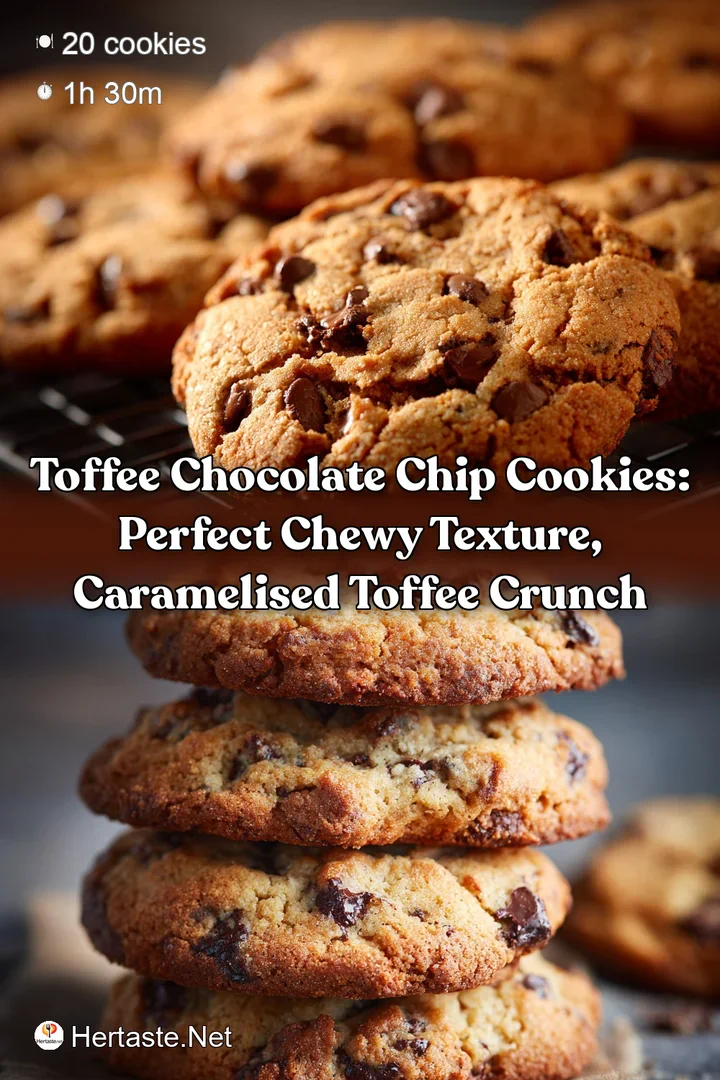
Oh my goodness, stop what you’re doing right now and imagine this aroma: caramelized brown sugar melting into rich butter, followed by warm, gooey milk chocolate. That first bite hits you with a satisfying crunch at the edge, yielding instantly to a soft, chewy, fudgy center loaded with those wonderfully caramelized toffee bits.
Honestly, these Chewy Toffee Cookies are simply addictive.
I know, I know, another chocolate chip cookie recipe? But trust me, adding Heath or Skor bits elevates the classic tenfold, making this your new go-to recipe for dessert emergencies.
These Toffee Chocolate Chip Cookies require specific timing, but they are deceptively simple and far cheaper than hitting up a fancy bakery. If you've been looking for that perfect balance of crisp, chew, and caramel flavor, congratulations, you found it.
We're going to dive deep into the real science behind achieving that ultimate texture, bypassing all those sad, flat cookie catastrophes of the past. Grab your mixer and let’s crack on with this proper British Bake approach to the best American style cookie imaginable.
The Science Behind Perfect Toffee Chocolate Chip Cookie Texture
Defining the Proper British Bake Texture Profile
When I say "proper bake," I mean texture that holds up, not some flimsy biscuit that snaps in half. We are aiming for a luxurious, thick cookie. The goal is a crispy, deep golden edge that provides structural integrity. The core must remain wonderfully soft, chewy, and slightly under baked.
This is achieved by maximizing the ratio of brown sugar (moisture) to white sugar (spread).
Prep Time and Difficulty Level Breakdown
I rate this as medium difficulty, and here is why: the prep is fast, maybe 15 minutes of active mixing, but the technique and patience are what matter most. Mess up the creaming process, and you get thin pancakes. Skip the chilling, and you get thin pancakes.
Adherence to temperature and time is non-negotiable here.
Necessary Baking Equipment Checklist
You don't need much, but having the right tools makes a huge difference.
- A stand mixer with a paddle attachment is ideal for proper aeration.
- Parchment paper is essential for easy release and preventing burnt bottoms.
- A precise scoop (I use a 3 tablespoon scoop) ensures uniform cookies that bake evenly every time.
Why Brown Butter Elevates the Toffee Flavour
Okay, this is my secret weapon for the absolute best Toffee Chocolate Chip Cookies brown butter flavor profile. Browning the butter first eliminates excess moisture and concentrates the fat, creating nutty, deep caramel notes.
You start with regular butter, heat it until the milk solids turn golden brown, then let it cool until it sets up again. This complex flavor acts as a perfect baseline for the added English toffee.
The Importance of the Mandatory Dough Chill
If you try to skip the chill, you are committing a cardinal baking sin. I learned this the hard way during my early blogging days! The dough needs at least an hour, but 24 hours is truly superior.
Chilling solidifies the butter, which prevents the dough from spreading immediately when it hits the heat. Crucially, it also allows the flour to fully hydrate, resulting in a thick, dense, chewy interior that competitors can only dream of.
How English Toffee Bits Create Caramelised Pockets
The beauty of using high-quality Cookies With Heath Toffee Bits or Skor is the way they behave in the oven. Unlike chocolate chips, which simply melt, the toffee actually caramelizes and pools slightly as it heats up.
This creates those distinct, wonderfully crunchy, brittle pockets of caramel that define this recipe. The contrast between the soft cookie and the hard, slightly sticky toffee crunch is pure magic.
Essential Ingredients and Expert Substitutions for Your Bake
| Ingredient | Role | Viable Substitution |
|---|---|---|
| Brown Sugar | Moisture, chew, molasses flavour | Use honey or maple syrup (reduce liquid by 2 Tbsp). |
| All-Purpose Flour | Structure | A mix of 1 cup bread flour and 1 1/4 cup cake flour for slightly more chew. |
| Butter | Fat, texture, flavour | high-quality plant based baking sticks, but reduce salt slightly. |
| Milk Chocolate | Sweetness, creaminess | Semi sweet or dark chocolate chunks work perfectly if you prefer less sweetness. |
Selecting the Right Toffee (Skor vs. Heath)
I personally use Heath because the size of their bits is usually perfect for scattering evenly. However, if you are feeling ambitious, chopping up high-quality Skor bars works beautifully and provides a richer, more buttery flavour. The key is to use stable toffee bits that won't completely dissolve.
Choosing the Best Milk Chocolate Chip Ratio
I always advocate for using milk chocolate here; it complements the intense caramel sweetness of the toffee better than bitter dark chocolate. Use a good quality brand, maybe even a chopped-up milk chocolate bar, because small chips melt too quickly and disappear.
We want visible, creamy pools of chocolate alongside the toffee crunch.
Flour Types and Sugar Ratios for Optimal Chew
We use mostly all-purpose flour, but notice the ratio: more brown sugar than white sugar. Brown sugar contains molasses, which is acidic and retains moisture, activating the baking soda to help the cookie rise just enough while keeping it chewy. The white sugar helps the edges crisp beautifully.
It’s all about balance!
Notes on Salt and Vanilla Quality
Do not skimp on your vanilla extract! Use the real stuff; imitation vanilla tastes cheap against this level of butter and toffee flavour. The fine sea salt in the dough is vital for balancing the sugar, and the optional flaky sea salt on top finishes the cookie brilliantly.
Chef's Note: If you want a less rich, more airy, cake like cookie, you might prefer something like my Vegan Chocolate Strawberry Shortcake Cupcakes - Flaky Rich — but if it's decadent chew you crave, stick to the heavy brown sugar ratio here.
Proper British Bake Method: How to Make Toffee Chocolate Chip Cookies

Creaming Butter and Sugars for Aeration
This step is the absolute foundation of your cookie structure, so don’t rush it. Beat the softened butter and sugars together on medium high speed for a full 3 to 5 minutes. You are looking for a visible change; the mixture must look pale and fluffy, almost like thick whipped cream.
This process incorporates air, which helps the cookies stay thick instead of spreading flat.
Integrating Dry Ingredients Without Overmixing
Once the eggs and vanilla are added, reduce your mixer speed to low. Add the pre-mixed dry ingredients slowly. Mix only until about 80% combined; you should still see streaks of flour. As soon as you add the flour, gluten starts developing, and overmixing creates tough, dense cookies. We want tender, chewy ones!
The Scoop, Chill, and Bake Process Timeline
Remove the bowl and fold in your Toffee chocolate chip cookies mix-ins. Use your scoop to portion the dough immediately onto a parchment lined tray, then stick the entire tray, covered, into the fridge. Chilling the shaped balls prevents the dreaded "hockey puck" spread.
If you are baking after a 24 hour chill, let the dough balls sit on the counter for 10 minutes before they go into the oven.
Achieving the Perfect Golden Edge
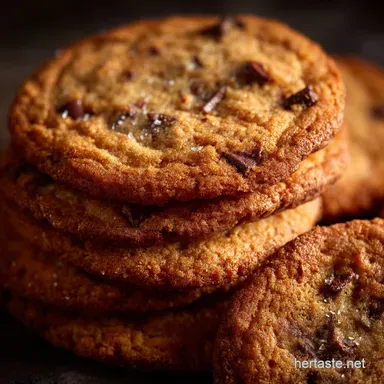
Bake the cookies at 350°F / 175°C for 10– 12 minutes. Pay close attention around the 10 minute mark. The edges should be perfectly golden brown and firm, but the center should still look notably soft, pale, and slightly underbaked.
That soft center will continue to cook and set on the pan.
Expert Baker's Tips and Troubleshooting Common Cookie Issues
Stopping Cookies from Spreading Too Thinly
The culprit is usually butter that is too warm or not enough chilling time. If you notice your dough is spreading excessively mid-bake, pull the sheet out of the oven. Use a large spoon to gently push the edges back toward the center, forming a more compact circle. Return them to the oven immediately.
Preventing Burnt Bottoms (The Pan Choice)
I learned this the hard way: dark baking sheets absorb too much heat and will instantly scorch the bottoms of your cookies. Use light coloured, heavy gauge baking sheets. Always use parchment paper or silicone mats to create a buffer.
If you only have dark pans, simply lower your oven temperature by 25°F (15°C).
Adjusting for High Altitude Baking
Altitude changes everything! Because leavening agents work faster up high, cookies often collapse and spread. To counteract this, slightly increase your flour (1 2 tablespoons extra) and slightly decrease your baking soda (by about 1/4 teaspoon). This helps stabilize the dough structure.
Storing, Freezing, and Prepping Toffee Cookie Dough
How to Freeze Cookie Dough Balls for Later
This is my favorite prep hack, perfect for those times when you desperately need a warm cookie (which is always). Scoop the dough balls onto a baking sheet and freeze until solid (about 2 hours).
Transfer the rock hard slice and bake chocolate toffee cookies dough balls to a labelled zip-top freezer bag. They will keep for up to 3 months. To bake, simply add 2- 3 minutes to the total baking time; no need to thaw!
Storing Baked Cookies for Maximum Freshness
Once the cookies are completely cooled, store them in an airtight container at room temperature. They will stay perfectly fresh for 4 5 days. Here's a quirky trick: add half a slice of plain white sandwich bread to the container.
The bread will dry out, and the cookies will absorb that moisture, keeping them delightfully soft for longer.
The Perfect Accompaniments: Serving Suggestions
Ideal Beverages: Coffee, Tea, or Milk Pairings
These rich, chewy Toffee Chocolate Chip Cookies beg for something equally satisfying to wash them down. A robust coffee, like a French press blend, is a winner, or you can go full comfort with a tall glass of ice-cold milk. If you’re having an afternoon tea moment, opt for a strong black tea like Assam or Darjeeling, which cuts through the sweetness beautifully. These are certainly heartier than a delicate buttery cookie, like my recipe for Grandmas Shortbread: The 3 Ingredient Recipe for Meltingly Tender Cookies .
Recipe FAQs
Why is dough chilling mandatory for achieving the ultimate texture?
Chilling the dough solidifies the fats, preventing the cookies from spreading too quickly in the oven, which ensures they retain their proper height and chewy center. This rest period also allows the flour to fully hydrate, which concentrates the flavor and results in a superior baked texture.
My cookies spread too much and are thin. What went wrong?
Excessive spreading is usually due to insufficient chilling time, or your butter was too soft or slightly melted when mixing. Also, ensure your baking sheets are completely cool before placing the dough balls on them, as warm pans accelerate spreading immediately.
What kind of toffee works best, and can I use a substitute?
English toffee bits (like Heath or Skor) are highly recommended because they melt slightly during baking to create signature caramelised pockets. If you must substitute, use crushed hard butterscotch candies, ensuring they are broken into small pieces for even distribution throughout the dough.
Can I freeze the cookie dough for later use?
Yes, absolutely. Form the dough into balls as directed, place them on a parchment lined sheet, and freeze until solid. Transfer the frozen dough balls to an airtight container or freezer bag and bake straight from frozen, adding 3 5 minutes to the total baking time.
Can I swap the milk chocolate chips for dark chocolate?
Swapping to dark chocolate (around 60-70% cocoa) is a fantastic variation, especially if you prefer a less sweet cookie. The slight bitterness of the dark chocolate provides an excellent counterpoint to the richness of the buttery dough and the sweet toffee.
How should I store the baked cookies to keep them soft and chewy?
Store the completely cooled cookies in an airtight container at room temperature for up to five days. A classic chef trick for maintaining softness is to place a half slice of plain sandwich bread inside the container; the cookies will absorb the moisture from the bread.
Why are my cookies dry and crumbly instead of chewy?
Dryness is most often caused by over measuring the flour or, more commonly, over baking the cookies. Ensure you use the spoon and-level method for flour measurement, and remember that cookies continue to set on the hot baking sheet after removal from the oven, so pull them out when the edges are just golden.
Chewy Toffee Chocolate Chip Cookies
Ingredients:
Instructions:
Nutrition Facts:
| Calories | 250 calories |
|---|---|
| Fat | 12 g |
| Fiber | 1 g |
