Cookies No Eggs: the Chewy, No-Fuss Chocolate Chip Recipe
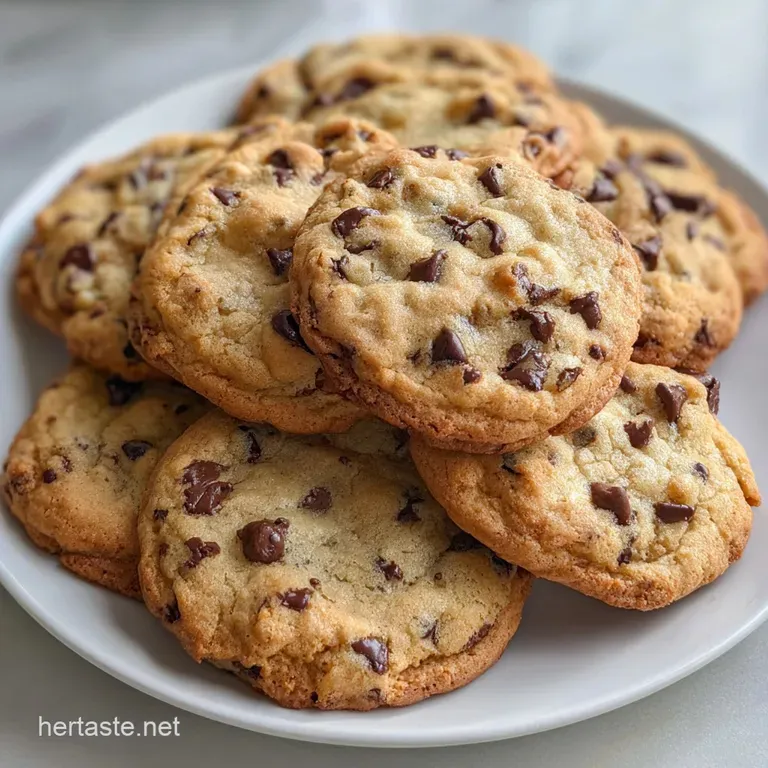
- The Emergency Stash Cookie: Perfectly Chewy Chocolate Chip Cookies No Eggs Required
- The Science of Chew: How We Replace the Egg Binder
- Essential Ingredients for Flawless Egg-Free Chocolate Chip Cookies
- Ingredient Swaps and Allergy Adjustments
- Step-by-Step Guide to Baking Perfect Egg-Free Cookies
- Expert Tips and Troubleshooting Common Egg-Free Mistakes
- Maximizing Freshness: Storage and Freezing Instructions
- Recipe FAQs
- 📝 Recipe Card
The Emergency Stash Cookie: Perfectly Chewy Chocolate Chip Cookies No Eggs Required
Picture this: It's 8 PM, you’ve got a serious craving, and the delightful scent of vanilla and brown sugar is already calling your name. Then you open the fridge and realize, oops , no eggs. Don't panic!
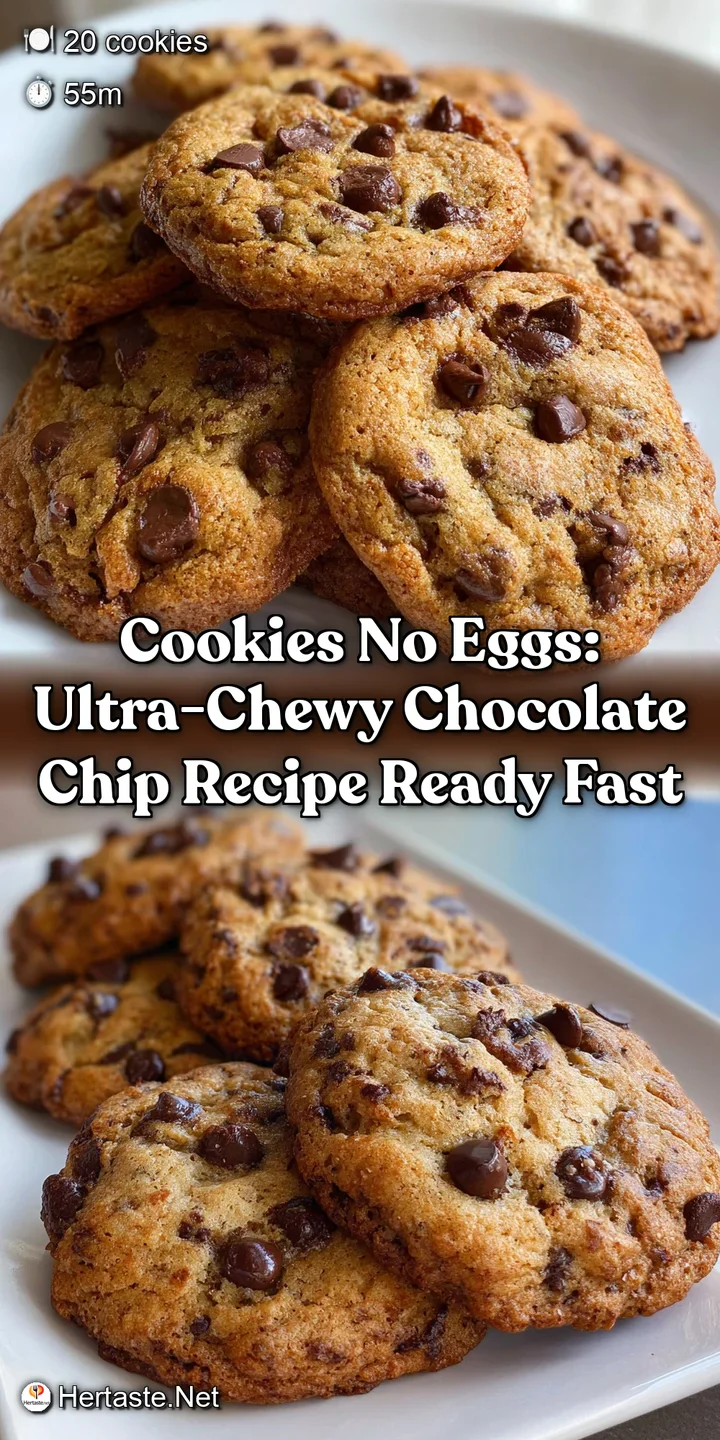
This is my absolute favorite, completely foolproof method for baking a proper batch of chocolate chip Cookies No Eggs . They are robust, deeply chewy, and somehow manage to taste even richer than the classic version, thanks to a few clever binding tricks.
This recipe is genuinely a lifesaver because it skips the most frequently missing ingredient in a frantic bake session. It's incredibly fast to pull together and doesn't require any fancy flaxseed goo or expensive egg substitutes.
We're using simple, basic dairy ingredients already lurking in your fridge to handle the structure and moisture job that eggs usually perform.
Ready to bake the best impromptu treats of your life? We’re skipping the fuss and diving straight into the dough. This simple method for achieving delicious Cookies No Eggs will totally change the way you see emergency baking.
The Science of Chew: How We Replace the Egg Binder
You know how eggs act as the glue, the moisture, and the puff in most baked goods? For truly fantastic Cookies No Eggs , we need alternatives that provide structure and rich moisture without causing the cookie to spread into a greasy thin mess.
When the Pantry is Bare: Embracing Egg-Free Baking
I spent years messing up egg-free recipes because I thought I could just eliminate the egg and carry on. Wrong! The batter needs that liquid volume replaced, and we need something to help emulsify the fat and sugar. Trust me, the secret is intentionally replacing the egg's components rather than just ignoring them.
We are strategically swapping the binding power of protein for the robust emulsion abilities of whole milk and the structural integrity of perfectly creamed butter.
A Quick Overview of Your New Favorite Dairy Based Binder
If you’ve checked out my recipe for Eggless Cookies: The Best Chewy Chocolate Chip Recipe , you’ll know I rely heavily on whole milk here. Eggs are about 75% water, so a little milk restores the necessary hydration. More importantly, the milk solids act as a surprisingly effective binder. It keeps the dough moist, ensuring a lovely, fudgy interior while the edges crisp up beautifully.
A Modern Spin on Grandma's Simple Drop Cookies
Many vintage "cookies no eggs" recipes relied heavily on shortening, but we're going for deep, buttery flavour. This technique uses a high ratio of brown sugar to white sugar, which introduces molasses.
Molasses is naturally acidic and works beautifully with the baking soda to give us that perfect lift without relying on egg proteins for aeration. It results in a soft, satisfying bite every time.
The Role of Melted Butter in Structure and Flavor
While the primary recipe uses softened butter for creaming (which gives lift), you can achieve a truly fudgy texture by browning and cooling the butter first, especially if you want that depth of flavour that usually comes from rich egg yolks.
Just ensure the butter is cooled down to a solid but still soft consistency before creaming it with the sugars, otherwise, your Cookies No Eggs will melt too quickly.
Achieving Crumb Cohesion with Whole Milk
The whole milk isn't just about moisture; the fat content helps coat the flour, preventing excessive gluten development. This is essential for achieving a soft chew rather than a tough crumb. When you introduce the milk with the vanilla, the mixture might look slightly grainy or separated don't stress!
That’s just the high fat environment reacting, and it all comes together once the dry ingredients are folded in.
Mastering the Perfect Balance of Crisp Edges and Soft Centers
The mandatory chilling time is the absolute secret weapon for these Cookies No Eggs . Chilling allows the flour to fully hydrate and, crucially, solidifies the butter. When the cold dough hits the hot oven, the exterior sets quickly before the butter fully melts, preventing excessive spread.
The result? Thick, chewy centers and delightfully crisp, golden edges.
Essential Ingredients for Flawless Egg-Free Chocolate Chip Cookies
We are aiming for simplicity here. You should not have to run to the store for anything weird. If you are looking for even more easy eggless variations, my Eggless Peanut Butter Cookies: Chewy Easy Recipe is another incredible option.
Ingredient Swaps and Allergy Adjustments
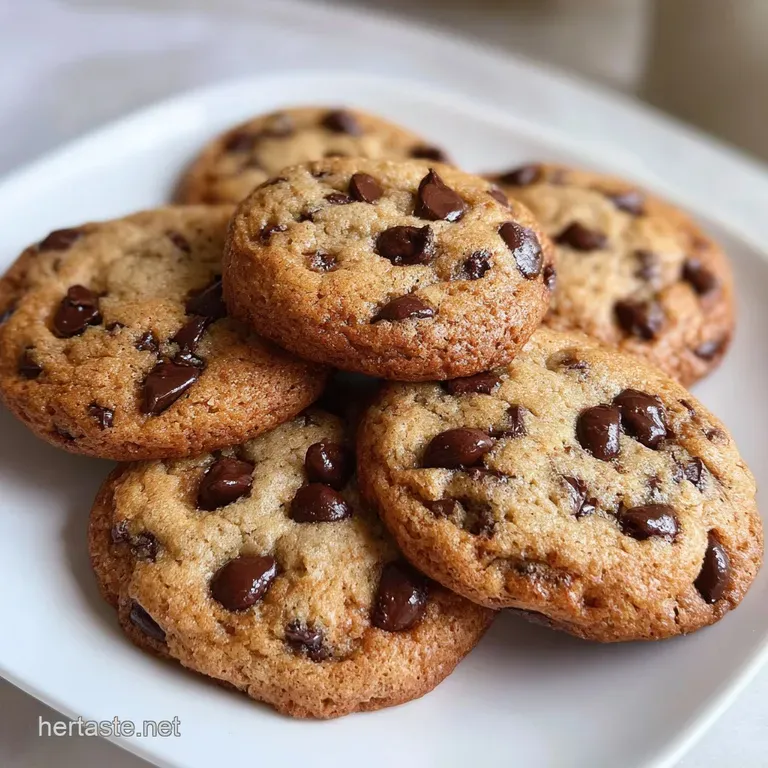
Baking is supposed to be fun, not restrictive! Here are your substitution strategies for this delicious Cookies No Eggs base.
| Ingredient | Role | Viable Substitute | Notes on Swap |
|---|---|---|---|
| Whole Milk | Binder/Moisture | Full Fat Oat Milk or Soy Milk | Essential for fat content; avoid skim. |
| Unsalted Butter | Fat/Structure | Non-Dairy Butter Sticks (Earth Balance) | Must be in stick form for creaming. |
| All-Purpose Flour | Structure | 1:1 gluten-free Blend (with xanthan gum) | Might need an extra tablespoon of liquid. |
| Brown Sugar | Chew/Moisture | Muscovado Sugar (Darker Flavor) | Increases chew, reduces spread slightly. |
Selecting the Best Chocolate Chips for Melty Pockets
I insist on using a mix of chocolate chips and rough chunks from a high-quality bar. The chips hold their shape, giving you those recognizable hills, while the chopped chocolate melts into glorious, gooey pockets. Semi sweet (around 60%) is perfect here.
Balancing Baking Soda and Powder for Optimal Lift
We only use baking soda in this recipe because brown sugar is naturally acidic, and the lack of egg means we need that chemical reaction to get the right lift and spread. If you're using plain granulated sugar, you might consider swapping a quarter teaspoon of the soda for baking powder, but stick to the recipe ratios for these deeply satisfying Cookies No Eggs .
The Importance of Brown Sugar for Moisture and Chew
Never skimp on the brown sugar! It’s the moisture backbone of this egg-free dough. The molasses in brown sugar attracts and holds onto moisture, ensuring that even after they cool, your cookies remain soft and chewy, not dry or crumbly.
Substituting Milk and Butter for a Plant Based Treat
It’s completely possible to make these into incredible vegan Cookies No Eggs . Just swap the dairy butter for a high-quality vegan butter stick and use full fat oat or soy milk. The process and chilling time remain exactly the same. They still turn out beautifully thick and rich.
Achieving Structure with gluten-free Blends
If you need to use a GF blend, choose a high-quality 1:1 blend that already contains xanthan gum. Gluten provides structure, and when you remove it, you need to rely heavily on the cold fat and the gum to hold everything together. Be prepared to potentially add a touch more liquid if your GF blend seems thirsty.
Flavor Variations: Adding Shortbread Notes or Peanut Butter
If you adore peanut butter, you absolutely must try adding 1/2 cup of smooth peanut butter when you cream the butter and sugars. It enhances the richness and texture! If you want a more delicate, shortbread style flavour, slightly increase the vanilla extract and add a tiny pinch of almond extract.
step-by-step Guide to Baking Perfect Egg-Free Cookies
Chef's Note: Accuracy matters when the usual binding agents are missing. Be precise with your flour measurements and do not eyeball the milk.
- Prep the Mix: Preheat your oven to 350°F (175°C). Line trays with parchment paper. Whisk the dry ingredients (flour, baking soda, salt) in a medium bowl until thoroughly combined.
- Cream the Fats: In your mixer, beat the softened butter until truly light and creamy. Add both sugars and beat on medium speed for a full 3– 4 minutes until the mixture is visibly pale and fluffy. This aeration is key since we have no egg.
- Add the Liquid Binder: Scrape down the bowl, then add the milk and vanilla. Mix briefly on low speed until just combined. Stop immediately.
- Combine and Fold: Gradually introduce the dry mix on the lowest speed. Mix only until the flour is barely incorporated. Pull the bowl off the mixer and fold in the chocolate chips by hand using a spatula. Do not overmix.
- Scoop and Chill (The Mandatory Step): Scoop the dough immediately into 2 tablespoon balls. Place them on a plate and cover tightly with plastic wrap. Chill for a minimum of 30 minutes. This is crucial for preventing spread in Cookies No Eggs.
- Bake: Arrange the chilled balls on the prepared sheets. Bake for 10– 12 minutes, rotating the pan halfway. They should look set and golden on the edges but slightly glossy and underbaked in the very center.
- Cool: Let them rest on the sheet for 5 minutes before transferring them to a wire rack to finish cooling and firming up.
Expert Tips and Troubleshooting Common Egg-Free Mistakes
Mixing Technique: Creaming the Butter and Sugars for Proper Aeration
Since we don't have egg whites to whip air into the batter, we rely completely on the creaming stage. Your butter should be cool room temperature soft enough to leave a dent but not shiny or greasy. If you under cream, your cookies will be flat and dense.
Cream for the full 3– 4 minutes until the volume increases substantially.
Mandatory Dough Chilling: Why Rest is Non-Negotiable
If you skip chilling, you will get thin, brittle disks. I know you’re hungry, but wait! The 30 minutes allows the fat to re-solidify and the flour to absorb the liquid fully.
This is particularly crucial when making Cookies No Eggs , as there’s no egg protein to hold the structure when the butter starts to melt.
Scooping Strategy for Uniform Baking
Invest in a cookie scoop! It guarantees uniform size, which means every cookie bakes in the exact same time. It also encourages a slightly taller, thicker profile. For extra thick cookies, roll the scooped balls into a slightly tighter, cylinder shape before chilling.
Determining Doneness: The Visual Cue Test
Don’t wait until the entire cookie is golden brown, or it will be overbaked and dry. Pull the tray out when the edges are deep gold and set, but the center still looks soft, slightly wet, and slightly lighter in color. They firm up wonderfully as they cool on the tray.
Preventing Spreading: Dealing with Warm Dough
If your kitchen is really warm, or if you accidentally over softened your butter, your dough might be too soft even after 30 minutes of chilling. If your dough feels greasy or sticky, freeze the scooped balls for 10– 15 minutes before baking.
A rapid chill is sometimes exactly what your buttery dough needs.
The Secret to Thick Cookies: High Heat Start
While this recipe calls for 350°F (175°C), try bumping your oven up to 375°F (190°C) for the first two minutes of baking, then drop it back down to 350°F (175°C) for the remaining time.
This high heat start creates a stronger crust faster, locking in the shape and resulting in noticeably thicker centers.
Maximizing Freshness: Storage and Freezing Instructions
These thick chocolate chip cookies, regardless of whether you refer to them as Cookies No Eggs or simply the best treats ever, store incredibly well!
Keeping Baked Cookies Soft and Chewy Long Term
Store the cooled baked cookies in an airtight container at room temperature. To keep them ultra soft for up to 5 days, toss in half a slice of plain sandwich bread or a tortilla into the container. The cookies absorb the bread’s moisture, staying wonderfully chewy!
Freezing Pre-Scooped Dough for Future Cookie Emergencies
This dough freezes beautifully. Scoop the chilled dough balls onto a parchment lined tray and flash freeze until solid (about 1 hour). Transfer the frozen balls to a heavy duty freezer bag or container. They will last for up to 3 months.
When ready to bake, just place the frozen balls directly onto the baking sheet and add 2– 4 minutes to the original baking time.
Classic Pairings Beyond the Glass of Milk
A robust cookie like this deserves something equally strong. Try pairing them warm with a scoop of salted caramel ice cream, or with a tiny, strong cup of espresso. If you want a fun, festive twist, make a quick Powdered Sugar Frosting and drizzle it over the cooled cookies.
Turning Single Cookies into Ultimate Dessert Bases
These firm, chewy treats are sturdy enough to be used as bases! Crumble a few of these robust Cookies No Eggs and use them as a crust for a no-bake cheesecake or press them into small pie dishes, baking them briefly until they set, for individual mini tarts.
I promise this simple method for Cookies No Eggs will become your go-to recipe for those late night cravings or when the pantry is running low. Enjoy!
Recipe FAQs
Is the chilling time truly mandatory for these egg-free cookies?
Absolutely, chilling is mandatory for this recipe’s specific egg-free structure. Without the binding protein normally provided by the egg, the firm, chilled butter is the primary structure builder. If you skip this step, the dough will spread excessively into thin, greasy wafers once it hits the hot oven.
My cookies turned out dry and slightly cakey. What went wrong?
Dryness is usually a sign of overbaking or inaccurate flour measurement. Ensure you measure the flour using the spoon and-level technique, avoiding packing it into the cup. For a chewier result, pull the cookies out of the oven when the edges are golden but the centers still look slightly moist.
Can I make this recipe completely dairy-free or vegan?
Yes, this recipe adapts very well to dairy-free substitutions. Replace the melted butter with high-quality vegan butter sticks, which have a better fat content than tubs. Substitute the whole milk with a rich, unsweetened plant milk like oat or soy milk to maintain the necessary moisture.
What is the best way to store the finished cookies for maximum freshness?
Store baked cookies in an airtight container at room temperature for up to five days. To help maintain their signature chewiness, placing a half slice of plain white bread inside the container will help absorb ambient moisture and keep the cookies softer for longer.
Can I substitute a low-fat milk, like skim milk, for the whole milk?
It is strongly advised to stick to whole milk or a substitute with similar fat content. The fat in the whole milk compensates for the lack of fat and binding properties usually supplied by the egg yolk. Using skim milk can yield a tougher, less rich cookie texture.
How can I freeze the cookie dough for later use?
Scoop the chilled dough into individual balls and place them directly onto a parchment lined baking sheet. Freeze until solid (about 2 hours), then transfer the frozen balls to a heavy duty freezer bag or container. Baked from frozen, simply add 2 3 minutes to the total bake time.
My cookie centers seem to be collapsing when they cool. Why is this happening?
This collapse, often called 'sinking,' is usually a sign of insufficient structure development. Ensure your leavening agent (baking soda/powder) is fresh, and resist the urge to open the oven door during the first two-thirds of the baking time.
A small amount of collapse is normal for chewy cookies, but excessive sinking means the internal structure didn't set.
Chewy Cookies No Eggs Recipe
Ingredients:
Instructions:
Nutrition Facts:
| Calories | 169 kcal |
|---|---|
| Protein | 1.0 g |
| Fat | 11.0 g |
| Carbs | 17.0 g |
