The Ultimate Sunday Dinner Properly Cheesy Homemade Lasagna with Fresh Ricotta
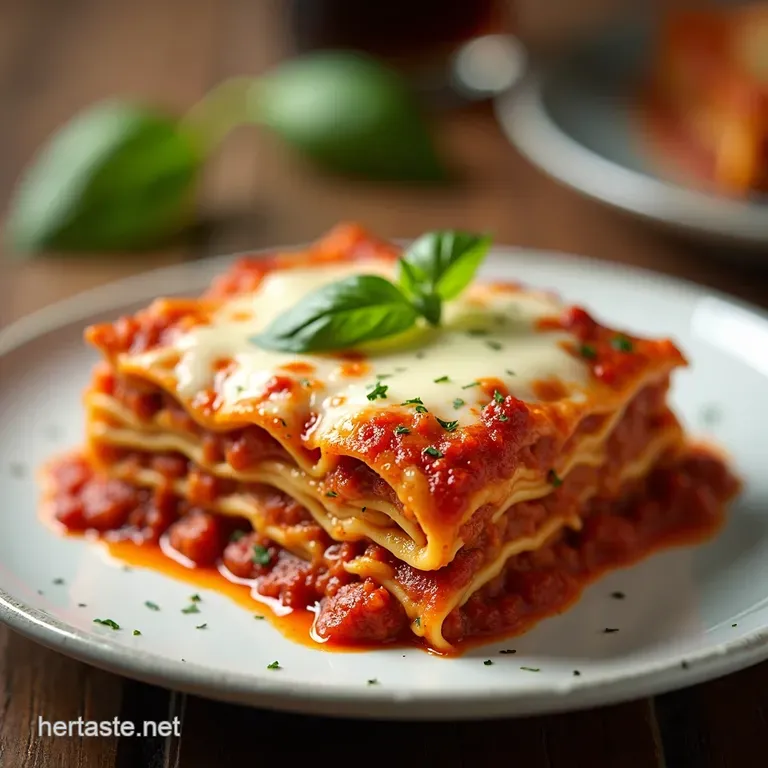
- Why This Homemade Lasagna with Ricotta Sets a New Comfort Food Standard
- Ditching the Box Mix: Embracing True Italian-American Depth
- Curating Your Culinary Arsenal: Essentials for Magnificent Layers
- Step-by-Step Assembly: Crafting Your Masterpiece
- Mastering Make-Ahead Strategies for Busy Weeks
- Recipe FAQs
- 📝 Recipe Card
Why This Homemade Lasagna with Ricotta Sets a New Comfort Food Standard
There are few dishes that evoke the feeling of warmth, family, and sheer culinary satisfaction quite like a towering slice of bubbling lasagna. This specific Homemade Lasagna with Ricotta transcends the average weeknight dinner; it is an event.
We aren't aiming for the quick, assembled versions that sometimes result in watery layers or bland cheese. Instead, we are focusing on building deep, layered flavour through a slow simmered ragu and a perfectly seasoned, creamy filling.
This recipe proves that creating an impressive, robust Italian American classic is entirely achievable, even if you don't consider yourself a seasoned chef. The magic lies in respecting each component the sauce, the pasta, and most importantly, that luxurious ricotta layer before bringing them together into a harmonious, golden brown masterpiece that serves 8 generous portions.
Ditching the Box Mix: Embracing True Italian American Depth
The difference between a mediocre lasagna and a spectacular one begins long before the assembly stage; it starts with the sauce. We are committed to developing a rich ragu base, using the traditional mirepoix of onion, carrot, and celery sautéed slowly to coax out their natural sweetness.
This foundation is essential when crafting a truly memorable homemade lasagna with ricotta cheese and meat . Once the ground beef (or sausage, if you prefer) is perfectly browned, we bloom the tomato paste and spices, deepening the colour and flavour before introducing quality crushed tomatoes and stock.
Allowing this sauce to simmer for at least 45 minutes is non-negotiable; this simmering period is what transforms simple ingredients into a cohesive, flavourful backdrop for our cheeses.
The Secret to That Unforgettable Creamy Ricotta Layer
If the sauce is the backbone of the lasagna, the ricotta mixture is its creamy, tangy heart. This is where many recipes fall short by simply spooning out the container’s contents.
To elevate your easy lasagna with ricotta , we bind a substantial 32 ounces of whole milk ricotta with a single large egg, which acts as a crucial binder, ensuring the filling sets beautifully and doesn't ooze out upon slicing.
We enrich this further with a full cup of finely grated Parmesan cheese and a generous quarter cup of fresh, chopped flat leaf parsley. This careful seasoning means the cheese layer sings with bright, herbaceous notes, perfectly offsetting the richness of the ragu and the blanket of mozzarella.
Why Layering Matters: Architecting Your Perfect Pasta Tower
Lasagna is fundamentally an exercise in structural engineering, albeit a delicious one. The order and placement of your components dictate the final texture and stability. A common pitfall is skipping the base sauce layer, which often results in burnt or stuck pasta sheets at the bottom of the pan.
Our method ensures a thin, even coating of ragu first, creating a moisture barrier. We then follow a strict sequence: pasta, half the ricotta, a third of the remaining sauce, a light sprinkle of mozzarella, and repeat.
This careful repetition ensures every single bite contains a balanced ratio of all the key elements, leading to the ideal experience of a homemade lasagna with ricotta cheese recipe .
What Makes This Recipe Truly 'Straightforward' for Novices
Despite involving three main cooked components (sauce, pasta, and assembly), this recipe is categorized as Medium difficulty because the individual steps are quite simple. There’s no complex kneading, no tricky emulsification required.
The key to making this an easy lasagna with ricotta is organisation preparing your sauce while you prep your cheese mix. If you opt for no-boil noodles, the process becomes even more streamlined.
Patience during the initial prep phase pays dividends, allowing the layering process itself to become meditative rather than rushed.
Related Recipes Worth Trying
- Easy Lasagna with Ricotta The Speedy Sunday Supper Recipe — Make the ultimate comfort food fast This Easy Lasagna with Ricotta uses noboil noodles and quality sauce for a creamy cheesy bake in under 90 minutes
- The Sunday Star Classic Lasagna with Creamy Ricotta Filling — Master the Best Ricotta Lasagna This recipe delivers perfectly layered homemade comfort with a rich ragù and luscious ricotta filling Get the foolproof...
- The Best Crockpot Beef Short Ribs with Red Wine Gravy — Unlock incredibly tender Crockpot Beef Short Ribs using your slow cooker This foolproof recipe delivers rich meltoffthebone meat and a flavourful red wine gravy
Curating Your Culinary Arsenal: Essentials for Magnificent Layers
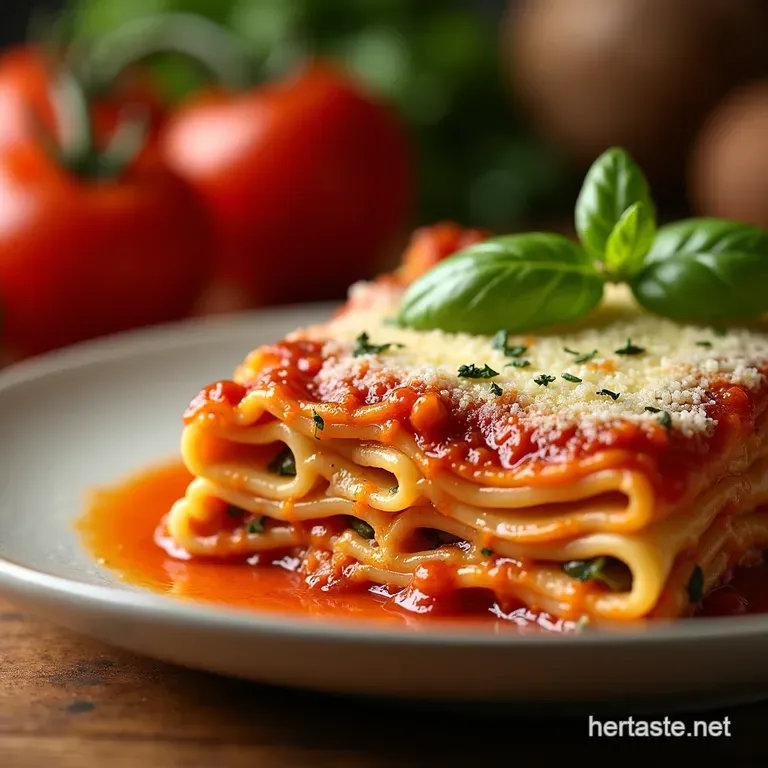
To ensure your homemade lasagna with ricotta achieves that coveted, structurally sound, and deeply flavoured result, careful selection of your raw materials is paramount.
We rely on quality over quantity here, knowing that each ingredient plays a defined role in the final presentation and taste profile.
Selecting Premium Components for Rich Flavor Profiles
When shopping for the foundation of this dish, look beyond the cheapest options. For the tomatoes, opting for San Marzano style crushed tomatoes will yield a sweeter, less acidic sauce. For the meat, an 80/20 ground beef blend offers enough fat to keep the ragu moist without making it greasy once baked.
Crucially, choose whole milk ricotta; the lower fat versions tend to be grainier and release more water, undermining the creamy texture we are aiming for in our homemade lasagna with ricotta cheese .
Stocking the Pantry: Required Meats, Sauces, and Pasta Sheets
Beyond the fresh produce for your mirepoix, ensure you have high-quality dried herbs oregano and basil are essential for that authentic Italian American aroma. We need a full 28-ounce can of crushed tomatoes and enough beef or chicken stock (about 1 cup) to ensure the sauce simmers without drying out.
For the pasta, you have flexibility: traditional sheets require boiling until al dente , providing a sturdy bite, while no-boil sheets save significant time but require slightly more moisture in the sauce layers to fully hydrate during baking.
The Herbaceous Blend: Infusing Flavor Into the Ricotta Filling
The ricotta layer is our chance to introduce freshness. While dried herbs can be used in the ragu, the filling demands fresh elements to lift the density of the cheese. Fresh parsley is the classic choice, offering bright green notes and a mild, clean flavour.
This herb mixture, combined with the sharp saltiness of the grated Parmesan and the textural security of the egg, transforms the mild ricotta into a zesty, savoury spread that sings against the rich tomato base.
Mastering how to make lasagna with ricotta cheese involves treating this layer as its own distinct, seasoned element.
Tool Checklist: What Equipment You Absolutely Need
While a large stockpot or Dutch oven is necessary for properly simmering the ragu, the star piece of equipment is a standard 9x13 inch (23x33 cm) baking dish. This size is perfect for achieving the right height-to-surface area ratio, giving you deep layers that bake evenly.
You will also need a large mixing bowl for combining the filling and standard measuring implements. Having parchment paper handy is also helpful for laying out freshly boiled noodles, preventing them from sticking into one giant, unusable clump.
step-by-step Assembly: Crafting Your Masterpiece
With your ragu simmering gently, your cheese mixture prepared, and your noodles (if necessary) par-cooked, the assembly phase begins. This is where patience comes into play. Take your time spreading each layer evenly, ensuring you don't pile the sauce too high in the centre, which can lead to uneven cooking.
Developing the Ragu Base: Slow Simmer Secrets
The ragu should simmer for a minimum of 45 minutes, though an hour or more develops superior depth. During this time, the flavours meld, the liquid reduces slightly, and the meat integrates fully with the tomatoes.
Before assembly, taste and adjust the seasoning; remember that the pasta and cheeses will absorb a lot of salt, so the sauce should taste slightly bolder than you might prefer on its own.
A rich, thick ragu prevents a soupy final product, crucial for a sturdy homemade lasagna with ricotta cheese .
Preparing the Cheese Mixture: Perfecting the Ricotta Spread
Once your ricotta, egg, Parmesan, and parsley are combined, give it a thorough mix you want no streaks of unmixed white ricotta remaining. The mixture should be easily spreadable but hold its shape somewhat.
If you find your mixture too thick, a teaspoon or two of milk or water can loosen it slightly, but be cautious not to thin it too much, as we want that satisfying, substantial cheese layer.
The Definitive Layering Technique for Homemade Lasagna with Ricotta
We begin by coating the bottom of the prepared 9x13 dish with a thin layer of ragu. This foundation layer prevents sticking. Next comes the pasta sheets, overlapping them minimally if needed to cover the base. Follow this with half of your seasoned ricotta mixture, spread gently.
Then, ladle over about one-third of the remaining ragu, ensuring good coverage, and top lightly with shredded mozzarella. Repeat this sequence once more. The final layer consists of the last pasta sheets, covered generously with the remaining ragu, and topped entirely with the remaining mozzarella and a final dusting of extra Parmesan for that desirable golden crust that characterises a great homemade lasagna with ricotta and mozzarella .
Achieving Golden Perfection: Oven Temperatures and Timing
Preheating the oven to 375° F ( 190° C) ensures even cooking. The initial 45 minutes covered with foil is vital; this traps steam, allowing the pasta to finish cooking through and the interior to heat evenly without burning the top cheese layer.
After 45 minutes, removing the foil allows the top mozzarella to melt, bubble, and achieve that beautiful golden brown crust over the next 25– 30 minutes.
Mastering make-ahead Strategies for Busy Weeks
One of the true gifts of this dish is its remarkable ability to be prepped entirely in advance. This is a fantastic option for busy families or for entertaining. You can complete the entire assembly process from the sauce to the final cheese topping the day before you plan to serve it.
Once assembled, simply cover the baking dish tightly with plastic wrap, followed by foil, and refrigerate for up to 24 hours. When it's time to bake, allow it to sit on the counter for 30 minutes to warm up slightly before placing it in the preheated oven, increasing the covered baking time by about 10– 15 minutes to account for the initial chill.
Freezing Protocols: Storing Lasagna for Future Feasts
This dish freezes exceptionally well, making it perfect for large batch cooking. You can freeze it either baked or unbaked. For unbaked freezing, assemble the entire dish in an aluminum pan, cover tightly with two layers of plastic wrap and one layer of foil, and freeze flat.
When ready to cook, thaw overnight in the refrigerator, then bake as directed, adding extra time if baking straight from frozen (expect closer to 90 minutes covered). Baked lasagna freezes equally well; cool it completely, wrap securely, and reheat thoroughly in the oven.
Vegetarian Swaps: Making This Ricotta Delight Meatless
If you prefer a lighter, meat free alternative to our classic homemade lasagna with ricotta cheese and meat , substitution is simple. Sauté finely chopped mushrooms (a mix of cremini and shiitake provides deep umami) along with the mirepoix, or use a high-quality commercial plant based ground substitute.
Another wonderful option is to incorporate finely chopped, wilted spinach directly into the ricotta mixture, creating a delicious homemade lasagna with ricotta and spinach . Just ensure the spinach is squeezed completely dry before incorporation.
Pairing Perfection: What Side Dishes Complement This Hearty Dish?
Given the richness of the baked cheese and meat ragu, the ideal companions are light and acidic. A simple side of lightly dressed greens think arugula tossed with lemon, olive oil, and flaky salt cuts through the richness beautifully.
Alternatively, serving it alongside some lightly steamed green beans or asparagus, finished with a squeeze of fresh lemon juice, provides the necessary textural and flavour contrast to balance this hearty meal.
Troubleshooting Common Lasagna Assembly Mistakes
The most common error is sogginess, usually stemming from watery ricotta or overly liquid sauce. If your sauce is thin, simmer it longer before assembly. If your ricotta is wet, drain it thoroughly.
Another frequent issue is uneven cooking; if you notice one section is browning too quickly, lightly cover that area with a small piece of foil during the final uncovered baking time.
Finally, cutting too soon leads to structural collapse; honour the 15-minute resting period to allow the cheese and pasta network to set firmly, guaranteeing beautiful, structured slices every time.
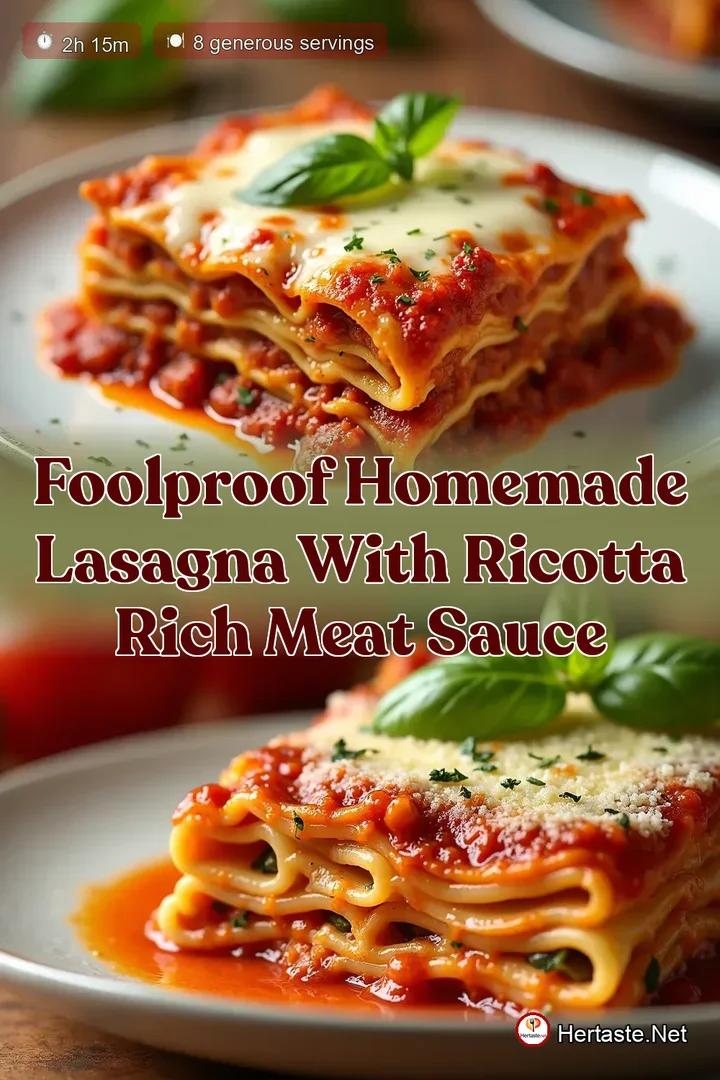
Recipe FAQs
My Homemade Lasagna with Ricotta always ends up watery. How can I avoid a soggy bottom?
That’s a classic bogey, isn't it? The key is twofold: make sure you drain any excess liquid from your ricotta for at least half an hour before mixing it in, as ricotta holds a surprising amount of water.
Secondly, ensure you start with a nice, thick ragu, and always put a thin layer of sauce on the bottom of the dish before laying down the first pasta sheet.
Can I make this ahead of time? I want a proper Sunday roast vibe without all the mid-day fuss.
Absolutely! Lasagna is brilliant for make-ahead prep, much like a proper roast dinner sits happily in the oven. You can assemble the whole thing even assembling and covering it tightly up to 24 hours in advance and keep it in the fridge.
When you’re ready to bake, let it sit on the counter for 30 minutes, and then add about 15 20 minutes onto the initial covered baking time since it’s starting cold.
What's the secret to that perfectly golden brown, bubbly top layer?
That’s all down to the final few minutes of cooking! Make sure you remove the foil for the last 25-30 minutes so the heat can hit the cheese directly. Using a mix of mozzarella and a good grating of hard Parmesan right on top helps achieve that deeper, nuttier brown crust that looks straight out of a trattoria.
I'm not keen on meat sauce; what's a good vegetarian swap for the ragu in this lasagna?
If you’re steering clear of meat, you can easily create a hearty alternative by sautéing finely chopped mushrooms (like portobello or cremini) and brown or green lentils in place of the beef.
Let them simmer with the tomatoes for a good while; this builds the depth of flavour needed to stand up against that rich ricotta filling.
My noodles are sticking together after boiling; what’s the trick to keeping lasagna sheets separate?
Ah, the dreaded pasta clump! After draining traditional noodles, immediately toss them with a small drizzle of olive oil and spread them out individually on a sheet of baking parchment or a lightly floured surface.
This stops them from fusing back together while you’re busy mixing your ricotta, ensuring easier layering.
Cheesy Homemade Ricotta Lasagna
Instructions:
Nutrition Facts:
| Calories | 700 kcal |
|---|---|
| Fat | 35g |
| Fiber | 5g |
