Rice Side Dish Recipes: Brown Butter Lemon Pilaf
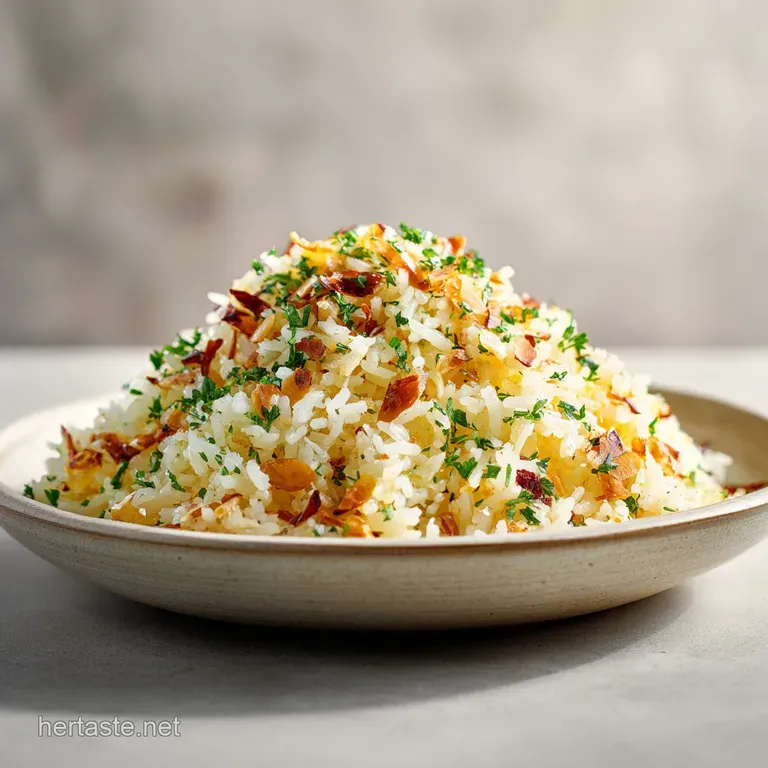
- Elevating the Humble Grain: A Showcase of Flavorful Rice Side Dishes
- The Science of Satisfaction: Perfecting Pilaf Texture and Flavor
- Essential Components for Our Sunny Rice Pilaf
- Mastering the Method: Step-by-Step Guide to the Brown Butter Pilaf
- Achieving Pilaf Perfection: Pro Tips and Troubleshooting Guide
- Practical Kitchen Prep: Storing Leftover Fluffy Rice
- Making the Main Event Shine: Pairing This Gourmet Rice Side Dish
- Recipe FAQs
- 📝 Recipe Card
Elevating the Humble Grain: A Showcase of Flavorful Rice Side Dishes
Seriously, the smell of warm, perfectly cooked rice is absolutely heavenly. I mean the kind that’s fluffy, separate, and carries a nutty aroma that makes your stomach rumble before it even hits the plate.
If you’ve been searching for truly next level Rice Side Dish Recipes that are easy to master, you can stop scrolling now. This one is pure gold.
Forget about those boring, mushy grains you just boiled in salty water and then served as an afterthought. This method is incredibly fast, super cheap to execute, and instantly transforms the humble grain into a foundational flavour bomb for any dinner, whether it's a weeknight sprint or a special gathering.
It’s the ultimate kitchen lifesaver when you need a little elegance but only have minutes to spare.
Today, we are diving headfirst into the magic of brown butter combined with bright lemon and fresh herbs to elevate our routine side dish. I promise, once you master this specific technique the pilaf method meets beurre noisette —all future Rice Side Dish Recipes will feel incomplete without it.
Let's crack on and make some sunshine in a bowl.
The Science of Satisfaction: Perfecting Pilaf Texture and Flavor
Beyond Boiled: Why Side Dish Rice Deserves Attention
If your rice is gloopy or sticky, you haven’t made a mistake, you’ve just skipped the crucial step: fat. The difference between bland boiled rice and beautiful pilaf comes down to coating the grains in fat before adding the liquid.
This simple technique, known as the pilaf method , seals the rice, preventing excess starch from releasing during cooking. Trust me, the best Rice Side Dish Recipes are never just boiled.
Introducing Brown Butter Pilaf: The Ultimate Rice Transformation
This recipe takes the classic pilaf method and layers in depth using brown butter, or beurre noisette . Brown butter provides richness, sure, but more importantly, it offers a deeply complex flavour profile that feels gourmet without any extra effort.
Achieving this level of flavour ensures this is one of the best Rice Side Dish Recipes you’ll ever make.
What Exactly is Beurre Noisette and Why Does it Work Here?
Beurre noisette is French for "hazelnut butter," and that’s exactly what it tastes like. When you slowly cook butter, the water evaporates, and the milk solids toast and sink to the bottom of the pan. This toasting creates dozens of new flavour compounds.
It completely changes the butter’s molecular structure, creating that wonderful, nutty, caramel like flavour that is infinitely more interesting than plain melted butter. This depth is what sets these elevated Rice Side Dish Recipes apart from the crowd.
The Maillard Reaction and Nutty Depth
That magical browning process is the Maillard Reaction at work, the same thing that makes bread crust crispy and steaks seared. We are leveraging that reaction in the fat itself, which then gets absorbed by the rice, creating a truly rich foundation.
This little bit of culinary science means you get maximum flavor for minimum effort, which is exactly how I like my Easy Rice Side Dish Recipes .
Coating the Grain: Ensuring Fluffy, Separate Rice
Once the shallots are softened in the brown butter, we toast the dry rice for a couple of minutes before adding the liquid. This step is non-negotiable! Coating the grains in fat creates a barrier, helping them maintain their structure and preventing them from swelling excessively and sticking together.
This is the difference between rice that clumps and rice that flows.
Balancing Brightness: Lemon Zest vs. Juice Acidity
We use both zest and juice at the very end. The zest carries the concentrated essential oils of the lemon, giving you that powerful citrus aroma without the sour pucker. The juice adds acidity, cutting through the richness of the brown butter perfectly.
Acidity is the secret weapon in all great Rice Side Dish Recipes , always added last to keep the flavour sharp.
Essential Components for Our Sunny Rice Pilaf
Choosing the Right Rice: Basmati vs. Jasmine for Pilaf Structure
When tackling classic pilaf, long grain rice is your friend. Basmati, specifically, is ideal because its grains are long, slender, and contain less starch than shorter grains. This ensures your final product is fluffy and the grains are separate exactly what we want in all the best Rice Side Dish Recipes .
Jasmine works well too, but Basmati offers a slightly better structural integrity.
Detailed Breakdown of Dairy and Fresh Herbs
For the butter, use unsalted. Controlling the salt content is vital since stock is already salted, and we want precision when creating nuanced Rice Side Dish Recipes .
For the herbs, fresh parsley is a must; its slight pepperiness and brightness are the perfect foil for the richness of the butter. Please, do not use dried herbs here.
Stock vs. Water: Optimizing Absorption Liquid
Always use warm stock (chicken or vegetable) instead of plain water. This adds complexity and savory layers that water simply can't touch. We want flavour in our Rice Side Dish Recipes , not just hydration.
I usually keep a container of low-sodium stock ready to go in the microwave for this step because using cold liquid interrupts the cooking process dramatically, leading to uneven results.
Crucial Chef’s Note: Warm stock melts instantly into the hot ingredients, maintaining the high temperature of the pilaf, which ensures the rice starts cooking immediately and consistently.
Quick Ingredient Swaps for Dietary Needs
Even the most specific of Rice Side Dish Recipes can be tweaked to fit your pantry or dietary needs. Flexibility is the hallmark of a confident home cook.
| Ingredient to Substitute | Recommended Substitution | Notes |
|---|---|---|
| Basmati Rice | Jasmine or other Long Grain White Rice | Cooking time may need slight adjustment (check packet instructions). |
| Unsalted Butter | Ghee or high-quality Olive Oil | Ghee gives a similar nutty flavour. Olive oil provides richness, but you lose the beurre noisette depth, obviously. |
| Parsley | Chervil or Tarragon | Use a more delicate herb like chervil for a subtle anise flavour, or tarragon for fish pairings. |
| Shallots | Yellow Onion | Use half the amount of a small yellow onion, as shallots are much milder. |
If you are really pushed for time and need super quick Rice Side Dish Recipes , you can always fall back on my guide to Microwave Rice: Chefs Secret for Fluffy Perfection and use the brown butter method for the finish!
Mastering the Method: step-by-step Guide to the Brown Butter Pilaf
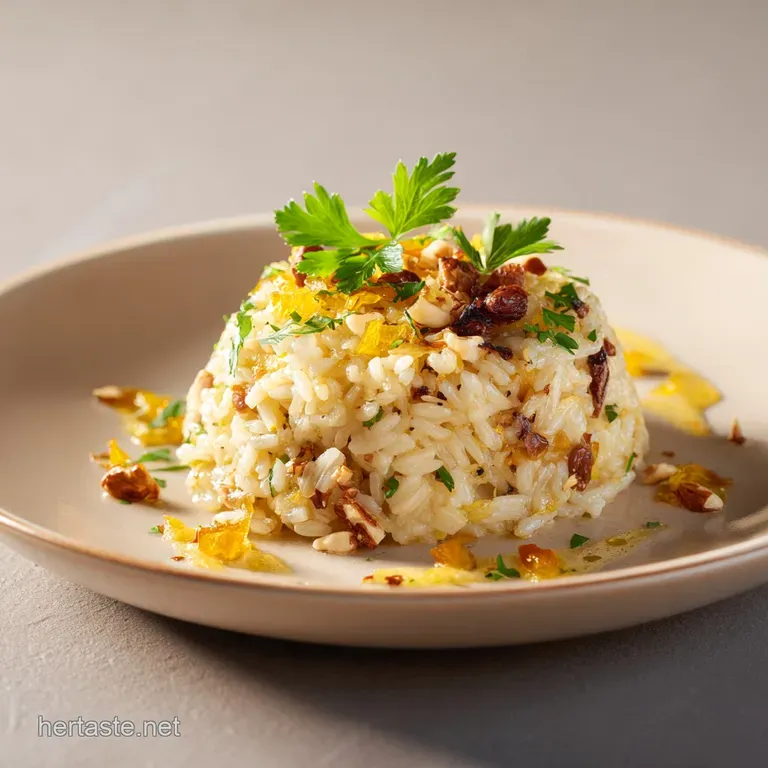
( Note: Full ingredient amounts and detailed instructions are in the recipe card above. This section focuses on technique. )
A. Preparation & Rinsing
- Rinse the Rice: Place the Basmati rice in a fine mesh sieve and rinse thoroughly under cool running water until the water runs completely clear. This step is mandatory, removing excess starch that causes stickiness. Drain well and set aside.
- Prep Aromatics: Mince the shallots and garlic, and finely chop the parsley. Zest the lemon and reserve the juice.
B. Building the Flavour Base (Brown Butter)
- Melt and Brown the Butter: Use a heavy bottomed pan. Melt the butter over medium heat. It will foam violently, then the foam will subside, and brown solids will start to form at the bottom. Once the butter is a deep golden brown and smells wonderfully nutty (like toasted hazelnuts), remove it immediately from the heat. Don’t walk away this step takes 3- 5 minutes, and going from nutty to burnt happens in seconds!
- Sauté Aromatics: Return the pan to low heat. Add the minced shallots and sauté gently until softened. Add the garlic and cook for 1 minute more until fragrant.
C. Cooking the Pilaf
- Toast the Rice (Pilau Stage): Add the rinsed, drained rice to the butter and aromatics. Stir continuously for 2 minutes. Every single grain needs to be coated in that gorgeous, nutty fat. This light toasting sets the stage for flawless structure in these Easy Rice Side Dish Recipes .
- Add Liquid and Seasoning: Pour in the warm stock, salt, and pepper. Bring the liquid up to a vigorous boil.
- Cover and Simmer: As soon as it boils, reduce the heat to the absolute lowest setting possible. Cover the pan tightly with the lid.
- Cook Undisturbed: Cook for exactly 15 minutes. Do not lift the lid during this time. I repeat: No peeking!
D. Finishing and Fluffing
- Rest the Rice (The Crucial Step): After 15 minutes, remove the pan completely from the heat. Keep the lid on and let the rice rest for a further 10 minutes. This steam trapping period is essential for absorbing the last moisture and achieving perfect texture.
- Fluff and Finish: Remove the lid. Add the lemon zest, lemon juice, and chopped parsley. Drizzle with the optional olive oil. Using a fork, gently fluff the rice, incorporating the fresh flavours and separating the grains. Taste and adjust seasoning.
Achieving Pilaf Perfection: Pro Tips and Troubleshooting Guide
Creating the Foundation: Clarifying and Browning the Butter
When you are browning the butter, the milk solids will sink. I usually swirl the pan to see the colour change at the bottom. If you get nervous about burning, remove the pan from the heat before it reaches the perfect brown; the residual heat will finish the job without risk.
For the best of the best Rice Side Dish Recipes , practice that brown butter first!
The Toasting Phase: Sautéing the Grain
We call this toasting , but you aren't trying to make the rice brown, you are just ensuring every piece is glistening with fat. This phase should take about two minutes over medium low heat. If you toast for too long, the rice can become brittle and fracture during the simmer.
Lid On, Heat Off: The Crucial Steaming and Resting Period
This is where all great Rice Side Dish Recipes are made or broken. You cook the rice mostly with the steam trapped inside the pot, not directly with the liquid. The rest period allows the rice at the top of the pot, which hasn't been submerged, to cook fully. Do not skip this rest!
Preventing Mushiness: The Critical Rice-to-Liquid Ratio
Many classic recipes call for a 2:1 liquid to rice ratio, but for the pilaf method, which uses less steam evaporation, that’s too much. We use a 2:1 liquid to rice ratio (3 cups liquid to 1.5 cups rice). This is the key to mastering any of the great Rice Side Dish Recipes .
You must stick to the precise measurements listed.
Fixing Overly Browned or Burnt Butter
If your butter went too far and smells acrid or looks black, you need to start over. I learned this the hard way: I once tried to salvage slightly burnt butter and it made the entire batch of rice taste bitter and terrible. Burnt butter makes for dreadful Rice Side Dish Recipes .
Don't be afraid to ditch it and try again.
The Fork Fluff: Aerating the Rice Post Cook
Once the resting period is over, use a large fork to fluff the rice. You are not stirring the rice; you are aerating it. Gently lift the grains from the bottom up.
This releases any remaining steam and separates the grains completely, achieving that perfect, airy texture we demand from superb Rice Side Dish Recipes .
Practical Kitchen Prep: Storing Leftover Fluffy Rice
Food Safety Note: Rapid Cooling Cooked Rice
Cooked rice can host Bacillus cereus spores if left at room temperature too long. This is serious business. To store cooked rice safely, you must cool it rapidly within an hour.
Spread it in a shallow, wide container or baking sheet to speed up the cooling process before transferring it to the fridge. This applies to all of your treasured Rice Side Dish Recipes .
Reheating Strategies for Optimal Texture
Cooked rice will dry out slightly in the fridge. To reheat: place a single serving in a microwave safe bowl, sprinkle about 1 teaspoon of water or stock over the rice, cover tightly with plastic wrap (vent one corner), and heat until steaming hot. The trapped steam revitalizes the texture. If you want something comforting instead of reheating, use those leftovers to make Grandmas Rice Pudding: The Silky, Classic Stovetop Recipe .
Can You Freeze Pilaf? (And what happens to the fresh herbs)
Yes, you absolutely can freeze this pilaf! Freeze in portion sized airtight containers for up to 3 months. The biggest change will be the texture of the fresh parsley; it will soften considerably.
If you plan to freeze batches of these Rice Side Dish Recipes , simply omit the parsley and lemon zest during the initial cooking and stir them in only after the rice has been thawed and reheated.
Making the Main Event Shine: Pairing This Gourmet Rice Side Dish
Complementary Textures: Acidic and Crisp Pairings
Because this pilaf is rich and savoury thanks to the brown butter, you want to pair it with something that provides contrast. Try serving it with something acidic (like grilled fish finished with a vibrant salsa verde) or something crisp (like simple roasted asparagus).
This truly elevates the simple joy of serving sophisticated Rice Side Dish Recipes .
Beyond the Bowl: Repurposing Leftover Pilaf
Don't let any of this goodness go to waste! Leftover pilaf is fantastic cold, used as a base for a grain salad with cherry tomatoes and feta. Or, if you need a quick way to use up fresh herbs and dairy, turn the leftovers into a batch of arancini (fried rice balls) the next day.
A great base recipe always leads to more great meals.
Creative Variations for Your Next Flavourful Rice Side Dish
Once you've nailed the brown butter technique, the variations are endless. If you love the flavour of herbs, consider mixing in 1 tablespoon of finely chopped Compound Butter Recipes: Six Essential Flavors for Instant Upgrade during the final fluffing stage. You could also substitute the herbs for a touch of saffron threads steeped in the warm stock for an elegant Spanish twist. Making superb Rice Side Dish Recipes is all about those small tweaks that make a big impact. Enjoy!
Recipe FAQs
Why is my pilaf sticky or mushy after cooking?
Mushy rice is usually caused by using too much liquid or lifting the lid during the crucial steaming phase, which releases necessary heat and pressure. Ensure you use the exact rice-to-liquid ratio provided, and resist the temptation to peek until the resting time is complete.
My rice came out hard and dry, not fluffy. What went wrong?
This typically indicates that the heat was too high or that your pot lid did not seal properly, allowing the liquid to evaporate prematurely. After the initial boil, always cook on the absolute lowest setting and ensure your lid forms a tight seal to trap all the steam needed to cook the grain.
Can I use a different type of rice instead of Basmati?
Basmati rice is recommended because its grains separate well and are highly aromatic, making it perfect for the pilaf method. While Jasmine rice is an acceptable substitute, avoid high starch grains like Arborio or glutinous rice, as they will result in a sticky, dense texture.
How essential is the brown butter (beurre noisette) step?
The brown butter is critical; it provides the nutty, deep, and complex foundational flavour that elevates this pilaf beyond simple buttered rice. Skipping this step or just using melted butter will result in a dish that lacks the essential toasted aroma and depth required for this recipe.
How can I make this Brown Butter Pilaf recipe vegan?
You can substitute the butter with a high-quality olive oil or vegan butter substitute. For the best flavour depth, consider lightly toasting the olive oil with the rice grains before adding the cooking liquid, mimicking the aromatic properties of the brown butter.
What is the proper method for storing leftover pilaf?
Cooked rice must be cooled quickly to prevent the growth of harmful bacteria; spread it thin on a plate or tray for 15 minutes before storing. Place the cooled rice in an airtight container and refrigerate it promptly, where it will remain safe for consumption for up to 3 to 4 days.
What is the best way to reheat pilaf without drying it out?
The best method is gentle steaming; transfer the leftover pilaf to a microwave safe bowl, sprinkle it with a teaspoon of water or stock, cover tightly, and reheat in 30-second bursts. Alternatively, reheat it slowly in a covered saucepan with a splash of liquid over very low heat until warmed through.
Brown Butter Lemon Rice Side Dish
Ingredients:
Instructions:
Nutrition Facts:
| Calories | 310 kcal |
|---|---|
| Fat | 10 g |
| Fiber | 1 g |
