Classic Zesty Lemon Bars Sunshine on a Shortbread Cloud
- The Perfect Pucker: Why We Need Zesty Treats
- Mastering the Balance: The Anatomy of the Ultimate Lemon Bar
- Essential Provisions for Your Culinary Conquest
- Tools of the Trade for Flawless Lemon Bars with Shortbread Crust
- Constructing the Golden Shortbread Base
- Pouring and Baking the Liquid Sunshine Filling
- Troubleshooting Your Lemon Bars with Shortbread Crust
- Achieving Professional Slices and Elegant Presentation
- Storing, Freezing, and Extending Freshness
- Recipe FAQs
- 📝 Recipe Card
The Perfect Pucker: Why We Need Zesty Treats
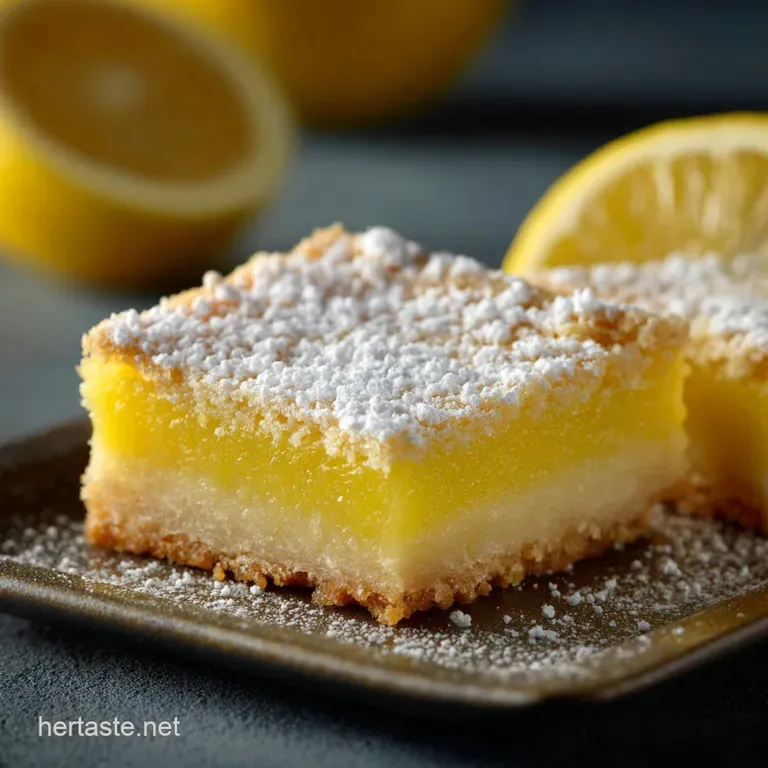
There is simply nothing that tastes quite like sunshine the way a perfectly balanced Lemon Bar does. For me, they evoke memories of summer picnics and old family cookbooks where the pages were stuck together with dried sugar.
This isn’t just a simple dessert; it’s an edible paradox: intensely tangy, yet incredibly sweet; buttery rich, yet light and bright.
When we talk about the best lemon squares recipe, we're talking about seeking that beautiful tension between a crumbly, tender base and a vibrant, smooth filling. Many bakers stop short and produce something either too cloyingly sweet or a filling that’s tragically rubbery.
My mission today is to guide you past those common pitfalls so you can achieve the gold standard: the classic lemon bars with shortbread crust that are famous for their flawless structure and brilliant, unapologetic flavour.
Mastering the Balance: The Anatomy of the Ultimate Lemon Bar
The secret to truly spectacular homemade lemon bars with crust lies in respecting the two distinct components. You aren't baking one dessert; you're marrying a foundation of crumbly, sturdy shortbread to a delicate, highly acidic custard.
Getting the proportions and temperatures right is the difference between a good bar and one that will disappear from the plate in seconds.
Decoding the Buttery Bliss of Shortbread
The base is not just a carrier for the filling; it's the anchor that cuts through the acidity. Shortbread, by its nature, is high in fat and low in hydration. This is crucial because less water means less gluten development. We want tenderness, not chewiness.
When you feel that crust practically melt on your tongue, that's the successful result of using very cold fat and handling the dough as little as possible.
The Science Behind a Smooth, Shiny Curd
The lemon curd filling is where the magic happens. It’s an emulsion, relying on the magic of eggs, sugar, and acid. We add a touch of flour and sometimes baking powder not just to thicken it, but to stabilize the egg proteins.
When heated, this small amount of starch ensures the egg doesn't curdle from the sheer amount of lemon juice, guaranteeing that smooth, liquid sunshine texture we crave.
Setting the Stage: Essential Prep for Success
Before we even turn on the oven, let's talk mise en place . Baking these lemon curd bars with shortbread crust requires swift, coordinated steps. I always recommend grating your zest and squeezing your juice first.
Ensure your butter for the crust is fresh out of the freezer (or fridge, at least), and your eggs for the filling are at room temperature. This minimizes the risk of thermal shock and ensures uniform mixing.
Essential Provisions for Your Culinary Conquest
Quality ingredients matter profoundly here. You can’t hide a mediocre lemon in this recipe. Since the flavour is so central, the vibrancy of your fruit is paramount. Spend the extra time to hunt down thick skinned, fragrant lemons you will be rewarded tenfold.
For the shortbread, stick to unsalted butter. It gives you control over the final salinity, and the richness of pure butterfat is unmatched when aiming for that signature melt. Don't worry about measuring everything perfectly down to the gram; focus on the feel of the dough.
Tools of the Trade for Flawless Lemon Bars with Shortbread Crust
Having the right tools makes this recipe much easier and more predictable. A common mistake is using a dark metal pan, which can burn the shortbread before the centre is cooked. Stick to lighter coloured aluminum pans.
Here are a few items that make baking these lemon squares with shortbread crust a joy:
- Microplane Grater: Essential for capturing zest without bitter white pith.
- Parchment Paper: Non-negotiable for easy removal and clean-up.
- Whisk: Necessary for aerating the eggs and ensuring the sugar dissolves properly.
- Light Coloured 9x13 Pan: Promotes even baking of the crust.
Selecting the Zestiest Citrus: Limes vs. Lemons
While you can technically make lime bars using this method, the flavour profile is dramatically different. Lemons provide a rounder, more floral acidity that pairs seamlessly with the richness of the butter. Limes are sharper and often require more sugar to balance.
| Feature | Lemon (Meyer) | Lime (Persian) |
|---|---|---|
| Acidity Profile | Round, slightly floral | Sharp, pungent, bitter undertones |
| Juice Yield | Usually higher | Usually lower |
| Recommended Use | Classic Lemon Bars | Key Lime Pie, Tropical Curds |
The Secret Role of Confectioners’ Sugar
Notice how we use powdered sugar, not granulated sugar, in the shortbread crust. This is a subtle but powerful technique. Powdered sugar contains a small amount of cornstarch, which interferes with gluten development even further, resulting in a tender crumb that simply crumbles when you bite into it.
Its second, highly visible job is, of course, the stunning snow like dusting on top!
Ensuring the Shortbread Foundation is Perfect
When you press the dough into the pan, aim for consistency. I use the bottom of a measuring cup to firmly pack the mixture into the corners and edges. If your edges are loose, they will crumble too easily when sliced. This brief compression helps the base set up sturdily enough to support the liquid filling.
Preparing the Baking Pan and Parchment Sling
The parchment paper sling is the single greatest technique for easy removal.
Always line your pan so the paper hangs over the long sides. This creates handles you can use to lift the entire baked slab out of the pan. Trying to pry the bars out of the pan without this sling is the definition of kitchen frustration!
Related Recipes Worth Trying
- Zesty Lemon Garlic Chicken Breast Recipe with Browned Butter Pan Sauce — The ultimate Lemon Garlic Chicken recipe Succulent chicken breasts are seared to perfection and coated in a glossy rich pan sauce Quick healthy and...
- Foolproof oven-roasted Eggplant Silky Caramelised Lemon Herb Recipe — The ultimate oven-roasted Eggplant Cubes Learn the secret salting trick for creamy nonbitter aubergine with delicious caramelised edges A healthy easy side dish
- Proper Indulgence Keto Chocolate Champagne Cupcakes with Raspberry Icing — These Keto Chocolate Champagne Cupcakes with Raspberry Icing are true gourmet keto dessert indulgence Lowcarb luxury with a light airy crumb and vibrant...
Constructing the Golden Shortbread Base
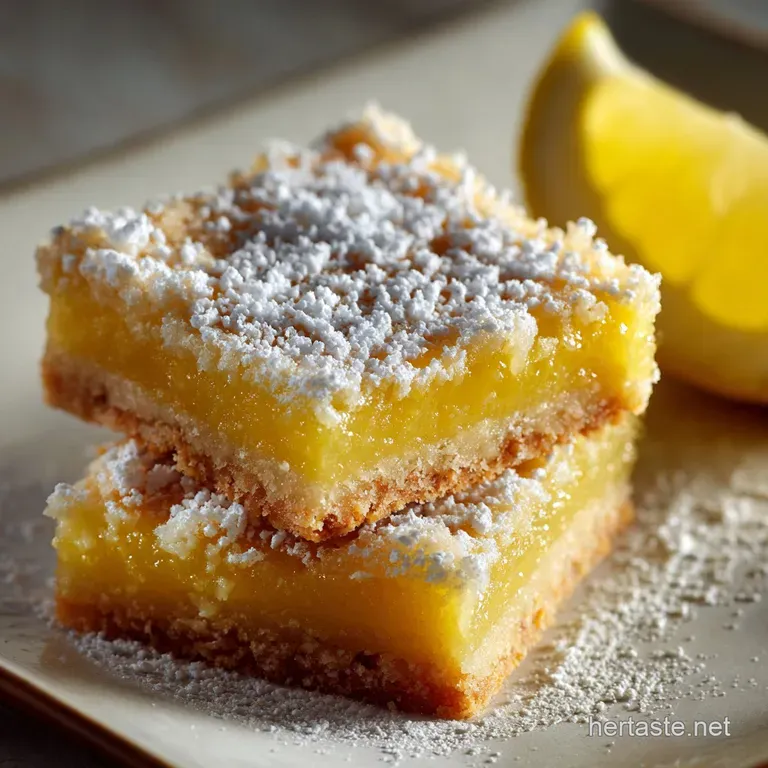
We start with the dry ingredients flour, powdered sugar, and a pinch of salt whisked together. Next, we incorporate the cold, cubed butter. I prefer using my hands for this, rubbing the butter into the flour until the mixture resembles wet sand.
You know you’re done when you can pinch a handful and it loosely holds its shape. Press it firmly into the pan, ensuring an even layer across the entire bottom. The aroma of this buttery shortbread par-baking is, frankly, irresistible; it’s the moment the kitchen truly starts to feel like a bakery.
Pouring and Baking the Liquid Sunshine Filling
Once the crust is par-baked and slightly golden on the edges, we move quickly to the filling. Whisk your eggs vigorously, then slowly stream in the granulated sugar and the fragrant lemon zest. The zest perfumes the sugar, releasing those potent oils.
Then, fold in the stabilizing flour mixture before adding the liquid lemon juice last. This sequence helps prevent the flour from clumping. Pour the thin, bright yellow mixture over the hot crust immediately.
The Crucial Step of Blind Baking the Crust
We blind bake, or par-bake, the shortbread base for about 20 minutes before adding the filling. Why? The liquid lemon curd would otherwise soak into the unbaked dough, resulting in a soggy, gummy layer right beneath the bright filling.
Par-baking creates a protective, golden barrier, ensuring that the shortbread base remains wonderfully crisp and tender.
Whisking the Curd to Achieve Ideal Thickness
The consistency of the unbaked curd will be very liquid, almost like heavy cream. Don't worry! That small amount of flour we added (along with the egg proteins) is enough to thicken it in the heat of the oven.
We whisk gently, aiming to incorporate all ingredients smoothly without creating too many air bubbles, which can cause cratering during baking.
Temperature Control: Preventing a Cloudy Filling
If you pour cold filling onto a hot crust, you risk the filling becoming cloudy or even cracking prematurely. By ensuring your eggs are room temperature and the filling is mixed quickly, we minimize temperature differentials.
The ultimate goal is slow, even heat transfer to produce a clear, vibrant, and beautifully set curd.
Identifying the Perfect 'Jiggle Point' for Doneness
This is where your patient observation skills pay off. After about 25– 30 minutes, open the oven and gently nudge the pan. The edges should be completely set and firm to the touch.
The very centre, however, should have a slight, very slight wobble what I call the 'jiggle point.' It should look like barely set gelatin. Immediately remove the bars, even if you feel uncertain. The residual heat will continue to cook the centre to perfection as they cool.
Troubleshooting Your Lemon Bars with Shortbread Crust
Don't panic if your first batch isn't perfect. We all learn by asking why. If your crust is hard, it means you likely overmixed the dough or your butter wasn't cold enough, causing excessive gluten development. If your filling is dull, you likely used too much heat or baked it too long.
Achieving Professional Slices and Elegant Presentation
Patience is the final ingredient. You must let these bars cool completely on the counter for at least two hours, and then I insist on chilling them in the refrigerator for another hour. Cold lemon bars are firm lemon bars, and firm bars yield clean, professional edges.
Before cutting, lift the whole slab out using your parchment sling.
For that flawless bakery slice, heat a large, sharp knife under hot water, wipe it dry, and make your first cut. Repeat this process heat and wipe before every single slice. This prevents the sticky curd from dragging and ruining the clean lines.
Dust them with powdered sugar only after cutting and immediately before serving.
Storing, Freezing, and Extending Freshness
These bars keep exceptionally well, but how you store them dictates the integrity of that precious shortbread base. If you're not planning on serving them immediately, hold off on the final dusting of powdered sugar until the last minute.
Preventing a Soggy Crust Catastrophe
The enemy of a crisp shortbread base is moisture migration. When the bars are chilled, the moisture from the filling wants to move toward the crust. To prevent this, store the cut bars in a single layer in an airtight container, preferably separated by sheets of parchment.
Why Did My Filling Crack? (Common Curd Issues)
The most frequent culprit for cracks in the filling is overbaking. If you cook the eggs too long, they contract and pull away from the edges, causing tension and a crack across the surface as the bars cool.
The second cause is thermal shock moving them too quickly from a hot oven directly into a cold refrigerator. Let them cool gradually on the countertop first.
Turning Up the Volume: Spice and Flavor Variations
If you're feeling adventurous with your lemon squares recipe, a touch of spice or an aromatic herb can add complexity. Try adding a pinch of cardamom or a teaspoon of finely chopped rosemary to the shortbread dough before pressing it. The earthiness of these additions is surprisingly wonderful against the bright lemon.
Exact Shelf Life and Refrigeration Mandates
To maintain optimal freshness and food safety, follow these guidelines:
- Countertop: Do not store lemon bars at room temperature longer than four hours due to the egg content.
- Refrigerated (Airtight): 3 to 4 days. The flavour actually deepens a bit on day two!
- Freezing: Up to 3 months. Cut and dust the bars, wrap them individually in plastic wrap, and then place them in a freezer bag or container. Thaw overnight in the refrigerator.

Recipe FAQs
My lemon filling is still wobbly after the suggested time have I messed up?
Don't fret, old bean! The key is looking for a gentle jiggle only in the very centre; if it is still too liquid, bake in 5-minute intervals, but stop immediately when the edges are set to prevent the filling from becoming rubbery.
If you adjusted the recipe, ensure you used the precise measurement of flour, as that acts as the crucial stabiliser.
I want my bars to look picture perfect what's the secret to neat slices?
The secret sauce is patience: the Lemon Bars with Shortbread Crust must be fully chilled ideally in the fridge for several hours to allow the curd to set firmly before cutting.
Use a large, very sharp knife, wiping the blade clean with a hot, damp cloth between every slice for that immaculate, bakery quality finish.
Can I make these a few days before my afternoon tea party?
Absolutely! These bars are ideal for making ahead; store them uncut in an airtight container in the refrigerator for up to 4 days, where the flavour will actually deepen beautifully. Just remember to hold off on dusting with powdered sugar until just before serving, as the sugar absorbs moisture quickly and disappears.
My shortbread base came out rock hard rather than beautifully crumbly. Where did I go wrong?
Ah, you’ve likely overmixed the dough! For a tender, melt-in-the-mouth crust, ensure your butter is ice cold and mix only until the dough just comes together into coarse crumbs, stopping immediately to prevent gluten from developing and resulting in a tough base.
I’m feeling adventurous! Can I swap the lemon for lime or orange?
Go on then, give it a whirl! While lemon provides the quintessential acidic balance, you can certainly substitute lime juice for a sharper flavour or orange juice for a milder, sweeter result; just ensure you adjust the zest accordingly to match your chosen citrus.
Best Zesty Lemon Bars Shortbread Recipe
Ingredients:
Instructions:
Nutrition Facts:
| Calories | 832 kcal |
|---|---|
| Protein | 2.6 g |
| Fat | 11.9 g |
| Carbs | 48.5 g |
| Fiber | 0.1 g |
| Sugar | 9.5 g |
| Sodium | 3 mg |
