The Only Greek Seasoning Blend Youll Ever Need Lemonherb Chicken Souvlaki
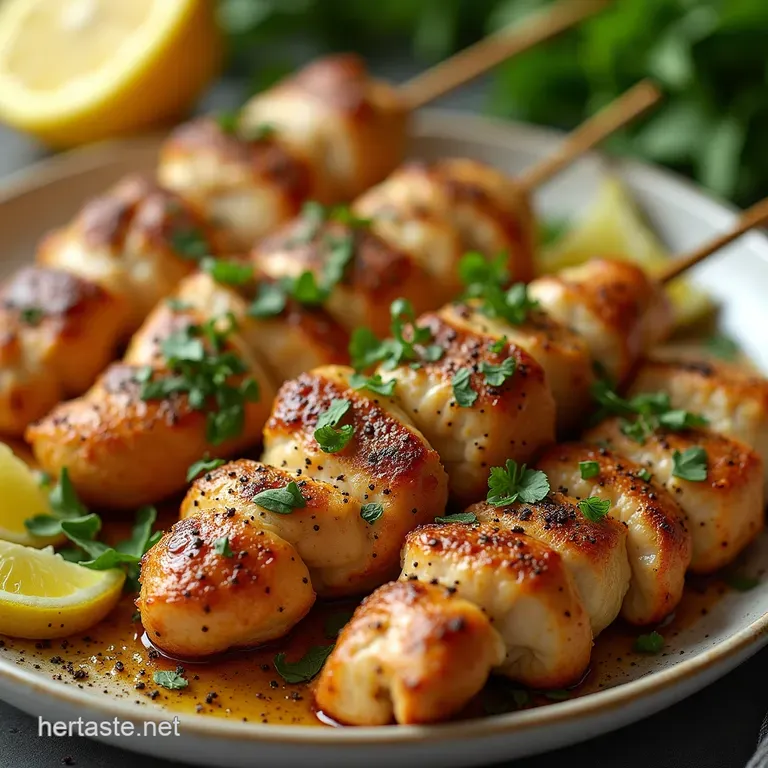
- Unlocking the Sunshine: Why This Lemon-Herb Greek Chicken Souvlaki Reigns Supreme
- The Secret Weapon: Mastering Homemade Greek Seasoning
- Gathering the Sunshine: Essential Components for Perfect Souvlaki
- The Marination Magic: Infusing Deep Flavor into the Chicken
- From Marinade to Masterpiece: Grilling the Souvlaki to Juiciness
- Pairing Perfection: Serving Suggestions Beyond the Pita
- Recipe FAQs
- 📝 Recipe Card
Unlocking the Sunshine: Why This Lemon Herb Greek Chicken Souvlaki Reigns Supreme
There is something intrinsically joyous about the bright, herbaceous flavours of Greek cuisine. It conjures images of sun-drenched tavernas and the gentle lapping of the Aegean Sea.
While many recipes promise an authentic Mediterranean experience, few deliver the vibrant punch of flavour quite like a perfectly seasoned and grilled Souvlaki. Today, we aren't just making grilled chicken; we are unlocking the core flavour profile the indispensable Greek Seasoning blend —and then applying it expertly to create a Chicken Souvlaki that will redefine your weeknight grilling game.
This dish is easy to conquer, requiring only 25 minutes of active prep time, though we strongly recommend allowing the magic to happen during a longer marination period. It serves four generously and promises a flavour journey with minimal fuss.
The Secret Weapon: Mastering Homemade Greek Seasoning
Forget grabbing a lackluster, pre-mixed container off the shelf; the true secret to superior Greek flavour lies in the quality and ratios of the herbs you combine yourself. This Greek seasoning recipe focuses on amplifying oregano, the undisputed king of this flavour profile, while balancing it with savory undertones.
Once you master this Homemade Greek seasoning , you’ll find yourself using it on everything from roasted potatoes to vegetable marinades. The key to its effectiveness is its adaptability, particularly when used as a Greek seasoning for chicken .
A Mediterranean Vacation on a Skewer: Flavor Profile Explained
The characteristic taste of authentic Greek food hinges on a foundation of savory herbs layered with bright acidity. Our Greek seasoning mix is designed to hit these notes perfectly. We rely heavily on dried Greek oregano for its intense, slightly peppery earthiness.
This is supported by thyme and a touch of rosemary, lending woody depth. Garlic and onion powders provide the necessary savory backbone, ensuring that even when cooked quickly, the meat tastes deeply seasoned throughout.
This careful balance makes it perfect as a Gyro meat seasoning substitute or as a general rub.
Why Fresh Lemon Zest Elevates the Standard Chicken Marinade
While the dry rub is potent, the magic of this Souvlaki lies in how we deploy it within the wet marinade. Many recipes skip the zest entirely, relying solely on lemon juice, which is a culinary mistake.
The juice provides acidity to tenderize the meat, but the fresh lemon zest contains the essential oils that carry the citrus aroma the part of the lemon you actually smell and taste most intensely.
Combining that zest with high-quality olive oil, minced fresh garlic, and a whisper of red wine vinegar creates an environment where the Greek seasoning ingredients can fully bloom and penetrate the chicken fibers.
Beyond the Barbecue: Versatility of This Aromatic Spice Blend
The utility of this specific Greek seasoning blend recipe extends far beyond skewered meats. Because the ratios are so well balanced featuring 3 tablespoons of oregano against smaller amounts of supporting herbs it acts as a robust all-purpose seasoning.
Consider using it as a dry rub the next time you roast a whole chicken, or sprinkle it liberally over feta cheese before baking. It transforms simple roasted vegetables, making it a cornerstone component in any kitchen aiming for bright, clean Mediterranean flavours.
Gathering the Sunshine: Essential Components for Perfect Souvlaki
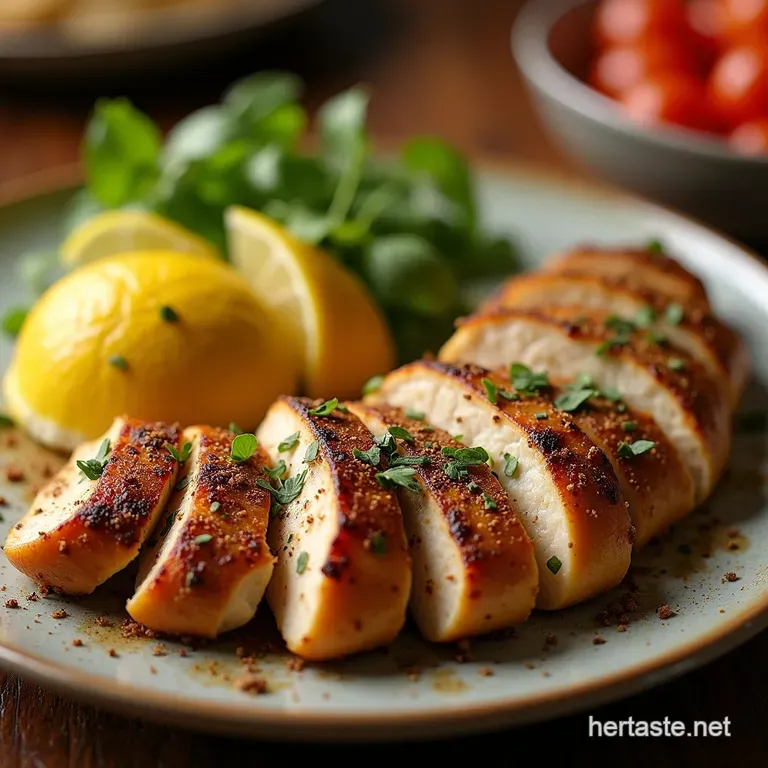
To achieve the sublime texture and flavour we are aiming for, we need high-quality components and precise preparation. We’ll be working with 1.5 lbs of chicken, cut into uniform 1 inch cubes.
While skinless chicken breasts are lean and popular, I wholeheartedly recommend using boneless, skinless chicken thighs for this recipe. Thighs possess more intramuscular fat, which translates directly into juicier, more succulent Souvlaki that shrugs off the drying effects of high heat grilling.
A Quick Guide to Sourcing high-quality Oregano and Marjoram
When constructing your Greek seasoning blend , the quality of your oregano is paramount. Look specifically for "Greek Oregano" if possible; it has a stronger essential oil profile than many generic varieties.
If you are substituting dried mint or basil, ensure they are relatively fresh; dried herbs lose potency quickly. The entire batch of seasoning yielding about 1/3 cup is powerful enough to season multiple batches of meat, so don’t hesitate to make extra for future use.
Choosing the Right Cut: Chicken Preparation Secrets
Uniformity is key when cubing the protein. Whether you opt for breasts or thighs, aim for consistent 1 inch pieces. This ensures that every piece cooks at the same rate, preventing some from drying out while others remain underdone.
After cubing, ensure they are patted relatively dry before being introduced to the marinade; excess moisture inhibits the oil and spices from properly adhering to the surface.
Tools of the Trade: Skewers, Grills, and Marinating Vessels
If you are opting for the classic skewer presentation, remember the wooden skewer rule: soak them! Wooden skewers left dry will ignite long before your chicken is cooked through. Place them in a shallow dish of water for at least 30 minutes before use.
For the cooking apparatus, a well oiled, medium high grill provides the best authentic char, but a heavy, preheated cast iron skillet delivers fantastic crust development indoors. Always use a non-reactive bowl (glass or ceramic) for marinating, as the lemon juice can react with certain metals over long periods.
Related Recipes Worth Trying
- Mediterranean Magic 5Minute Homemade Greek Seasoning Blend — Skip the storebought jars Learn how to make homemade Greek seasoning in 5 minutes using natural Greek herbs like oregano and thyme Perfect for chicken or lamb
- Juicy Lemon Herb Roasted Chicken with Homemade Greek Seasoning — Stop buying spice jars Make this vibrant homemade Greek Seasoning blend then use it for the juiciest roasted chicken youve ever cooked Simple and bright
- The Best Homemade Old Bay Seasoning Recipe Easy Authentic — Ditch the jar and learn how to make Old Bay Seasoning from scratch This DIY recipe delivers vibrant fresh flavour for your next seafood boil
The Marination Magic: Infusing Deep Flavor into the Chicken
This is where patience pays dividends. First, we construct the dry rub: combine 3 tablespoons of your freshly made Greek seasoning mix with 1 teaspoon of kosher salt, 1 tablespoon of dried thyme, 1 teaspoon each of rosemary, garlic powder, and onion powder, 1/2 teaspoon each of basil and mint, and 1 teaspoon of black pepper.
Whisk this thoroughly.
Next, create the wet base for the marinade. Whisk together 1/4 cup of good quality extra virgin olive oil, 1/4 cup of fresh lemon juice, 1 teaspoon of the vibrant lemon zest, 3 finely minced fresh garlic cloves, and 1 tablespoon of red wine vinegar.
Incorporate the 3 tablespoons of the dry seasoning blend into this wet mixture until it emulsifies slightly into a thick, fragrant paste. Pour this over your cubed chicken, ensuring every surface is coated. Cover and chill.
While 2 hours is the absolute minimum needed for flavour penetration, aiming for 4 hours or even an overnight rest will result in truly spectacular texture and depth of flavour.
From Marinade to Masterpiece: Grilling the Souvlaki to Juiciness
Once the marination period is complete, remove the chicken from the refrigerator about 20 minutes before cooking. This slight temperature increase ensures more even cooking once it hits the heat.
Thread the marinated pieces onto your soaked skewers, packing them snugly but not so tightly that air cannot circulate between them.
The Overnight Soak: Achieving Maximum Tenderness
Allowing the chicken to bathe in the acidic, oily environment overnight is the secret to tenderizing the muscle fibres, which is especially useful for leaner cuts like chicken breast.
The acids begin the denaturation process, creating a final product that flakes beautifully while retaining moisture, proving that a slow marinade yields superior results to a quick toss.
Skewering Techniques That Prevent Dry Spots
When threading the meat, avoid leaving large gaps, as air circulation in those gaps leads to cooling and uneven cooking. However, don't pack them so tightly that the meat deforms; a gentle snug fit ensures that the heat transfer from the grill bars transfers efficiently through the entire skewer assembly.
Achieving the Perfect Char Without Burning the Herbs
Preheat your grill to a medium high setting (around 400° F or 200° C). Lightly brush the grates with oil to prevent sticking. Place the skewers on the hot grate.
You are looking for a total cooking time of 12 to 15 minutes, flipping every 6 to 7 minutes. The goal is to achieve those beautiful dark grill marks (char) without incinerating the dried herbs coating the outside.
The oil in the marinade helps protect the herbs slightly, but constant vigilance is necessary.
A Quick Hack for Air Fryer Greek Chicken Supremacy
If grilling isn't an option, the air fryer is a fantastic alternative for this Greek chicken spices application. Arrange the skewered or unskewered chicken pieces in a single layer in the basket.
Cook at 380° F ( 195° C) for 10 minutes, flip or toss, and cook for another 3 to 5 minutes until the internal temperature reaches 165° F ( 74° C).
The results are incredibly juicy with an even, browning crust.
Pairing Perfection: Serving Suggestions Beyond the Pita
While serving these flavour packed skewers nestled in warm pita bread with sliced tomato and onion is divine, these vibrant flavours deserve equally bright accompaniments.
Building the Ultimate Feta and Vegetable Side Dish
To complement the richness of the chicken and the strong herbaceous notes of the Greek seasoning blend , a simple Greek village salad (Horiatiki) is ideal. Forget the leafy lettuce; combine thick chunks of cucumber, ripe tomato, sliced red onion, and a generous slab of high-quality feta cheese.
Dress this lightly with red wine vinegar, a drizzle of olive oil, and a final sprinkle of your remaining Greek seasoning mix —this simple application showcases the versatility of your hard work.
Tzatziki Tactics: The Only Dipping Sauce You'll Ever Need
No Greek meal is complete without its cooling counterpart. Tzatziki acts as the perfect foil to the warm, slightly spicy Souvlaki. Mix thick Greek yogurt with freshly grated cucumber (squeezed dry!), minced garlic, a splash of white wine vinegar, and a pinch of salt.
Let it sit for 30 minutes for the flavours to meld. This creamy, tangy sauce cuts through the savoury depth of the Greek seasoning for chicken beautifully.
Freezing Instructions for Batch Prepared Souvlaki
If you made a large batch, you can freeze the cooked skewers easily. Allow them to cool completely, then arrange them on a baking sheet lined with parchment paper and freeze until solid. Transfer the frozen skewers to a freezer safe bag or container.
When ready to reheat, simply bake at 350° F ( 175° C) until warmed through, or thaw overnight and reheat gently on the stovetop or grill.
Spice Adjustment Guide: Making Your Greek Seasoning Blend Stronger or Milder
The recipe yields a standard, robust flavour. If you prefer a milder, less herbaceous profile for a lighter fish dish, reduce the oregano by one tablespoon and increase the thyme slightly. Conversely, if you desire a flavour bomb perhaps for slow cooking lamb increase the oregano by another full tablespoon.
Always remember that the salt level should be adjusted after tasting the final cooked dish, as the salt in the marinade can sometimes over concentrate.

Recipe FAQs
What can I use this homemade Greek Seasoning blend on besides chicken souvlaki?
This blend is incredibly versatile think of it as your new secret weapon! It’s brilliant sprinkled over roasted potatoes before baking, stirred into hummus, or rubbed onto lamb chops.
For a simple cheat, mix a tablespoon into plain Greek yogurt for an instant dip or marinade for white fish like cod or snapper.
My Greek Seasoning mix seems very heavy on the oregano; is that correct?
Absolutely, that's spot on! Good quality oregano is the heart and soul of authentic Greek cooking, often taking centre stage over other herbs. If you find it too potent, simply dial back the oregano next time and add a touch more dried thyme or basil until it suits your palate. It’s your blend, after all!
How long can I safely store my homemade Greek Seasoning?
If you keep your blend in an airtight container, away from direct sunlight and heat (so, not sitting right next to the hob!), it should stay vibrant for up to 18 months. However, for the best flavour punch, try to use it within 6 9 months dried herbs really do lose their oomph over time, much like a good cup of tea left stewing too long.
My marinade isn't tangy enough; what gives?
That zing comes primarily from the fresh lemon juice and the touch of red wine vinegar in the recipe. If your lemons weren't particularly juicy, you'll miss that brightness. Try adding another half teaspoon of vinegar or a splash more lemon juice just be careful not to add too much acid, or it can start to 'cook' the meat before it hits the grill!
Can I use dried mint in the Greek Seasoning? I only have fresh mint on hand.
While dried mint adds a lovely, subtle warmth to the blend, using fresh mint is tricky for storage mixes. If you must substitute, use about three times the amount of fresh mint by volume, chop it incredibly finely, and perhaps only add it to the marinade for the souvlaki rather than keeping it in your main spice jar.
Fresh herbs can introduce moisture, shortening the shelf life considerably.
Best Greek Seasoning Souvlaki
Ingredients:
Instructions:
Nutrition Facts:
| Calories | 2026 kcal |
|---|---|
| Protein | 38.5 g |
| Fat | 16.5 g |
| Carbs | 151.0 g |
| Fiber | 69.4 g |
| Sodium | 428 mg |
