The Weekend Bakers Delight Classic Sourdough Baguettes with That Perfect Ear
- Unlocking the Secrets to an Authentic, Open-Crumb Sourdough Baguette
- Why This Weekend Project Beats Any Store-Bought Loaf
- The Essential Four: Sourcing High-Quality Components for Peak Flavor
- The Long Game: Mixing, Autolyse, and Bulk Fermentation Dynamics
- The Delicate Dance of Folding and Developing Gluten Strength
- From Slack Dough to Structured Shape: Mastering the Tapering Technique
- The Final Flourish: Scoring and Achieving Maximum Oven Spring
- Troubleshooting Common Sourdough Baguette Failures
- Steam Injection Secrets: Creating That Golden, Blistered Crust
- Beyond the Classic: Flavor Variations and Adaptations
- Recipe FAQs
- 📝 Recipe Card
Unlocking the Secrets to an Authentic, Open Crumb Sourdough Baguette
The pursuit of the perfect Sourdough Baguette is perhaps the holy grail for any serious home baker. It’s a commitment to a process, a dance with wild yeast, and a reward that tastes exponentially better than anything mass produced.
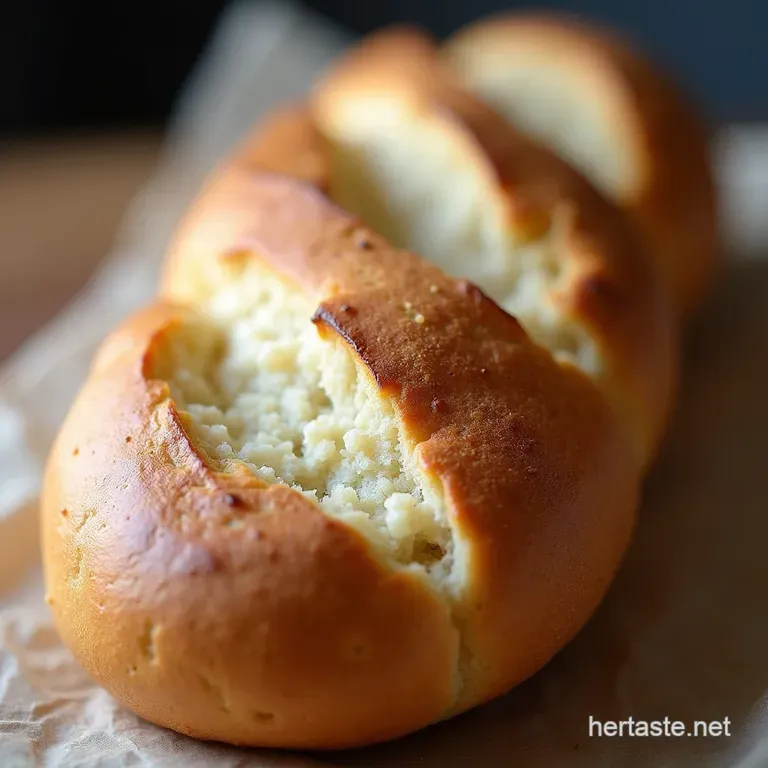
We are aiming for that ethereal combination: a crust that shatters musically upon contact and an interior crumb riddled with irregular, beautiful tunnels the sign of true artistry.
This detailed Sourdough Baguette Recipe is designed not just to give you ingredients, but to teach you the necessary intuition required for this iconic shape.
Why This Weekend Project Beats Any store-bought Loaf
Making authentic Artisan Bread at home transforms your kitchen into a little corner of Paris. store-bought baguettes, while convenient, often lack the depth of flavor derived from a long, slow fermentation process fueled by your own active starter.
This project demands your time, yes, but the payoff is magnificent flavor complexity that signature, subtle tang that only natural leavening can provide. It’s immensely satisfying to produce something so simple, yet so technically demanding, right on your countertop.
The Allure of the Shatteringly Crisp Exterior
That golden, blistered exterior isn't accidental; it’s achieved through controlled heat and an abundance of steam. The initial blast of high temperature combined with moisture keeps the surface of the dough pliable long enough for the yeast to generate a final surge of gas (oven spring), stretching the outer layer thinly before it sets into that desirable, crisp shell.
Without steam, you get a thick, chewy crust the antithesis of what we desire in a true French loaf.
What Makes a Sourdough Baguette Truly 'Artisan'?
The artisan quality here stems from restraint. We are using only four core components: flour, water, salt, and starter. There are no commercial yeasts, no dough conditioners, and critically, the flavor is developed entirely through time and temperature control.
When you master the shaping and scoring, you achieve what looks and tastes like professional French Food Recipes created without industrial machinery.
Setting Realistic Expectations for Your First Bake
If your very first attempt results in slightly squat loaves, don't despair! Baguette shaping ( façonnage ) is where most beginners struggle. The goal is to create surface tension on the dough without degassing the delicate bubbles built during bulk fermentation.
Consider your first batch practice runs for mastering the shape; the flavor will still be incredible, even if they look more like rustic torpedoes than perfect spindles.
The Essential Four: Sourcing high-quality Components for Peak Flavor
The simplicity of this Sourdough Baguette Recipe with Starter means every ingredient plays a starring role. Compromising on quality here will inevitably compromise your final texture and taste.
Flour Power: Hydration Levels and Protein Content Explained
For baguettes, we need high protein flour, typically aiming for 12.5% or higher. This protein (gluten) provides the necessary strength to hold the gas generated during the long proofing times and supports the structure during aggressive shaping.
While traditional French T65 flour is ideal, a strong North American bread flour serves as an excellent substitute for Home Baking .
Harnessing Active Starter: Building the Levain for Tang
Your starter must be vigorous and mature. For best results, feed your starter 4– 6 hours before you plan to mix the dough so it is at its peak bubbly, nearly doubled, and floating when tested.
This activity ensures a strong rise and optimal flavor development during the extended fermentation periods required for this type of bread.
Precision Matters: Why Digital Scales Are Non-Negotiable
This cannot be overstated: sourdough success hinges on precise ratios. A digital scale is not optional; it is foundational. Measuring by weight ensures your hydration is exact a few grams of water difference can drastically change how slack or stiff your high hydration dough feels.
The Importance of Baking Stones or Steel for Crust Development
To achieve that immediate oven spring and the signature crisp crust, you need thermal mass. A thick baking stone or baking steel, preheated for at least 45 minutes at your target temperature, acts like a hot plate, delivering intense, consistent heat directly to the bottom of the loaf the moment it enters the oven.
The Long Game: Mixing, Autolyse, and Bulk Fermentation Dynamics
Our process begins gently. The first step is the Autolyse , where we combine just the flour and water, allowing them to rest, typically for 30 to 60 minutes.
This hydrates the flour fully before the salt and starter interfere, leading to a more extensible dough that requires less initial mixing effort. Once the starter and salt are incorporated, we enter the bulk fermentation phase the most critical time for flavor development.
The Delicate Dance of Folding and Developing Gluten Strength
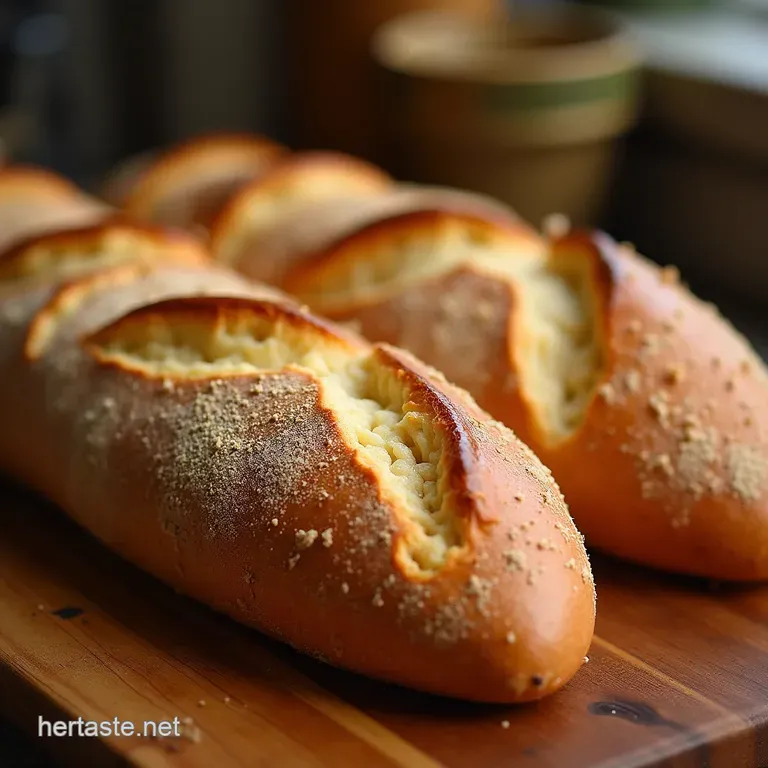
Because baguettes are relatively wet doughs and we avoid heavy kneading, we build strength through a series of gentle "stretch and folds." These maneuvers align the gluten strands, trapping the fermentation gases produced by the yeast, which ultimately creates the open, airy crumb structure essential to a great
Sourdough Baguette .
Related Recipes Worth Trying
- Artisan Sourdough DemiBaguettes Open Crumb Crisp Crust — Master homemade baguettes This sourdough demi baguette recipe yields crusty loaves perfect for sandwiches or soup Get that airy crumb today
- The Soft Crumb Classic Achievably Chewy Sourdough Bread — Tired of frisbee sourdough This simple sourdough bread recipe delivers a truly soft chewy sourdough sandwich bread interior Get the proper crumb guide
- Easy Beginner Sourdough Bread Recipe Chewy Crumb — Learn how to bake your first incredible Sourdough Bread Recipe with Starter using simple steps Get that perfect tangy flavour and crust today
From Slack Dough to Structured Shape: Mastering the Tapering Technique
This is the make-or-break stage for appearance. After bulk fermentation, the dough is divided into three equal portions. We pre-shape these into very loose logs and allow a short rest (the bench rest) to relax the gluten. The final shaping requires transforming that relaxed dough into a tight cylinder.
This involves meticulous folding and rolling to create surface tension along the seam without squeezing out all the internal air. This shaping is what will allow the loaf to hold its elongated form during the final proof and bake.
The Final Flourish: Scoring and Achieving Maximum Oven Spring
The final proof prepares the dough for the heat. A good final proof results in dough that is puffy but still has spring the "poke test" is your guide. Before baking, the loaves must be transferred carefully onto a peel or parchment paper dusted with rice flour, ready for their dramatic scoring.
Calculating Hydration: Mixing the Dough for Optimal Handling
For this recipe, our target hydration sits around 72% (325g water to 450g flour). This is high enough to encourage an open crumb but low enough to remain manageable during the shaping required for the Sourdough Baguette Easy Recipe . It's a balancing act that you will fine tune with experience.
The Stretch and Fold Sequence: Building Internal Structure Gently
We typically perform four sets of folds spaced 30 minutes apart during the first two hours of bulk fermentation. Remember, the goal is gentle encouragement, not aggressive beating.
You are stretching the dough up and over itself, rotating the bowl after each fold until you see significant structure forming the dough should start resisting your touch slightly.
Retarding the Dough: Temperature Control for Depth of Flavor
For superior flavor and ease of handling, I strongly recommend cold retardation. After shaping, placing the loaves in the refrigerator (covered) for 8 to 12 hours will significantly deepen the sourdough tang. Cold dough is much firmer, which makes the necessary scoring much cleaner.
Lame Work: Achieving Picture Perfect Slashes for the 'Ear'
Scoring opens the way for oven spring. For baguettes, use a sharp razor blade (lame) held almost parallel to the dough (about a 30-degree angle). The cuts should overlap slightly, running diagonally down the loaf.
Deep, confident cuts allow the dough to expand dramatically along predetermined weak points, creating that desired lifted edge, or 'ear.'
Troubleshooting Common Sourdough Baguette Failures
Even with the best intentions, things sometimes go awry. Understanding the root cause helps refine your technique for the next batch.
When Your Baguettes Are Flat: Analyzing Under/Over Proofing
Flat loaves are usually a sign of over proofing during the final stage. If the dough was too weak when it hit the oven, the structure collapsed under its own weight before the crust set.
Conversely, under proofed dough often bursts randomly outside the scored lines because the interior pressure finds the path of least resistance, rather than following your careful slashes.
Optimal Storage: Keeping That Crispness Alive Post Bake
A freshly baked baguette is fleeting perfection. To preserve the crust for as long as possible, store it cut-side down in a paper bag at room temperature. Plastic bags trap moisture, immediately turning the crisp shell soft and chewy.
Adjusting Formula for Different Ambient Temperatures
Sourdough starters are sensitive to environment. If your kitchen is cold (below 68° F/ 20° C), you may need to increase the starter percentage slightly or extend the bulk fermentation time significantly.
If it’s very warm, use cooler water in your initial mix to slow down the action.
Incorporating Whole Grains into Your Sourdough Recipe
While a classic Sourdough Baguette uses white bread flour, substituting up to 15% of the flour weight with whole wheat or rye will add complexity. Remember, whole grains absorb more water, so you might need to increase overall hydration by 5 10 grams for the same texture.
Steam Injection Secrets: Creating That Golden, Blistered Crust
The initial high heat, high steam environment is vital. Placing a shallow metal pan on the bottom rack of your oven while preheating is essential. Once the loaves are on your hot stone, carefully pour boiling water into that pan (or use a powerful spray bottle) and quickly shut the door.
This trapped steam prevents the crust from hardening too soon, maximizing oven spring for the first 10 minutes of baking.
Beyond the Classic: Flavor Variations and Adaptations
Once you master the base formula, you gain the confidence to experiment. Using a Sourdough Baguette Pan can help maintain a perfectly uniform shape if you are still struggling with the couche method, offering a good bridge to consistency.
Incorporating Whole Grains into Your Sourdough Recipe
While a classic Sourdough Baguette uses white bread flour, substituting up to 15% of the flour weight with whole wheat or rye will add complexity. Remember, whole grains absorb more water, so you might need to increase overall hydration by 5 10 grams for the same texture.
Serving Suggestions
These loaves are magnificent when served simply alongside sharp cheeses and cured meats, or toasted lightly to serve as the foundation for crostini. The subtle acidity pairs beautifully with rich spreads. Enjoy the fruits (or rather, the grain) of your labour!

Recipe FAQs
Sourdough Bread Sourdough starter Focaccia Ciabatta
For that perfect shatteringly crisp crust on your sourdough baguette, ensure your oven is fully preheated with a baking stone or steel, and introduce ample steam during the initial baking phase.
To maintain that airy interior texture, handle the dough gently during shaping, avoiding the temptation to degas it aggressively. Store cooled baguettes cut-side down in a paper bag at room temperature for the best texture, as refrigeration quickly stales the crust.
Sourdough Baguette near me
To achieve that signature shattering crust on your sourdough baguettes, ensure you use ample steam during the first 15 minutes of baking, perhaps by preheating a baking stone with a cast iron pan filled with boiling water.
For the best texture, bake them at a high initial temperature, around 475°F (245°C), before reducing slightly. Store finished baguettes wrapped loosely in a clean tea towel at room temperature for up to 24 hours to maintain maximum crispness.
Artisan sourdough baguette recipe
For that shatteringly crisp crust, ensure a very steamy oven environment during the initial 15 minutes of baking, perhaps using a cast iron skillet filled with boiling water. Store cooled baguettes by wrapping loosely in a clean cloth at room temperature; avoid refrigeration as it quickly stales the crumb.
If your starter is less active, consider adding a touch more commercial yeast to guarantee sufficient oven spring for that airy interior.
Same day sourdough baguette
Achieving a true same day sourdough baguette is extremely challenging due to the necessary long fermentation for flavor development. Focus instead on overnight cold proofing to maximize flavor and structure. For the best crust, ensure you use significant steam during the initial 15 minutes of baking.
Sourdough baguette recipe easy
Achieving that shatteringly crisp crust requires ample steam during the initial 15 minutes of baking, so use a preheated baking stone or steel with a pan of boiling water in the oven. For the best flavor and handling, prioritize a long, cold fermentation period, typically 12 hours in the refrigerator after shaping.
These baguettes are best enjoyed the day they are baked, but day-old loaves can be revived with a quick spritz of water and a few minutes in a hot oven.
Sourdough baguette calories
The exact calorie count for a sourdough baguette varies based on flour type and hydration, but generally ranges between 250 to 300 calories per 100-gram serving. For the best texture, ensure your final proofing is long enough to allow for maximum oven spring, which contributes to a lighter, airier crumb and slightly fewer dense calories.
Store cooled baguettes in a paper bag at room temperature for up to two days to maintain that ideal crisp crust.
Artisan Sourdough Baguette
Ingredients:
Instructions:
Nutrition Facts:
| Calories | 629 kcal |
|---|---|
| Protein | 23.7 g |
| Fat | 14.9 g |
| Carbs | 22.6 g |
| Fiber | 9.0 g |
| Sodium | 13364 mg |
